
Best Tile Details for Period Homes
Tile has been part of American interiors for generations, adding character and resilience to kitchens, bathrooms, entryways, and other spaces. Understanding how tile was traditionally designed and installed can help inform modern renovations and guide decisions around pattern, scale, trim, and transitions. In this guide, we explore different types of tile detailing and how to thoughtfully apply them to historic homes today.
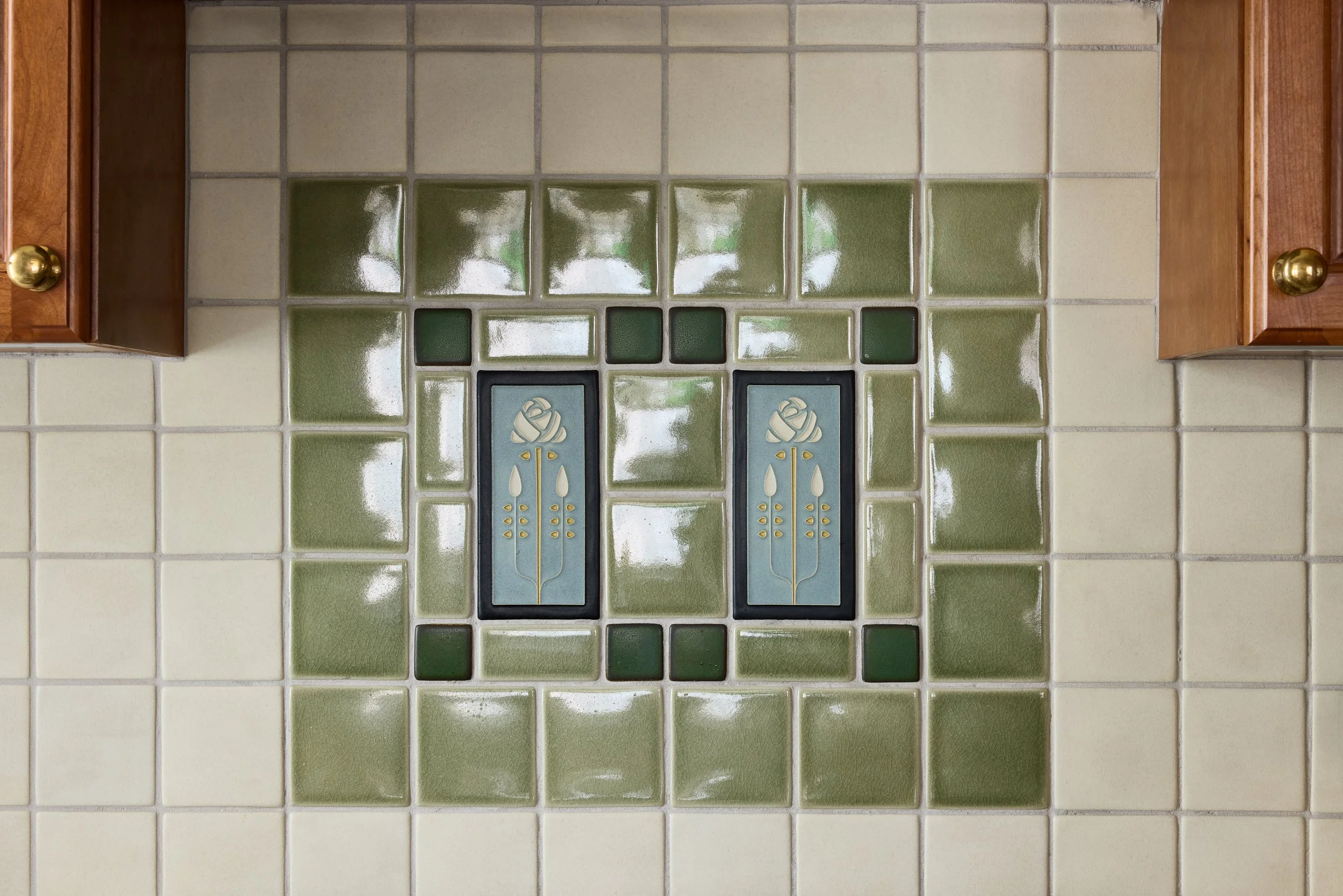
Design by Airy Kitchens.
Tile Detailing Examples
Specialty Trim Tile
Radius tile + quarter round + bullnose
Baseboard tile + soldier row
Tile caps
Pencil tile + liners
Historic Tile Patterns
Herringbone
Borders + insets
Subway tile
Checkerboard
Hexagons
Floral motifs
Inlaid "rugs"
Specialty Trim Tile
Specialty trim tile is used to finish edges, frame tile layouts, define transitions, and add architectural detail. In American homes, trim became an important part of decorative tile installations, with styles and profiles reflecting the architecture of each period. These pieces also served practical purposes, protecting exposed edges and creating clean transitions between surfaces. Today, specialty trims can bring the same sense of proportion, craftsmanship, and architectural detail to a renovation.
Tile Caps and Edge Trims
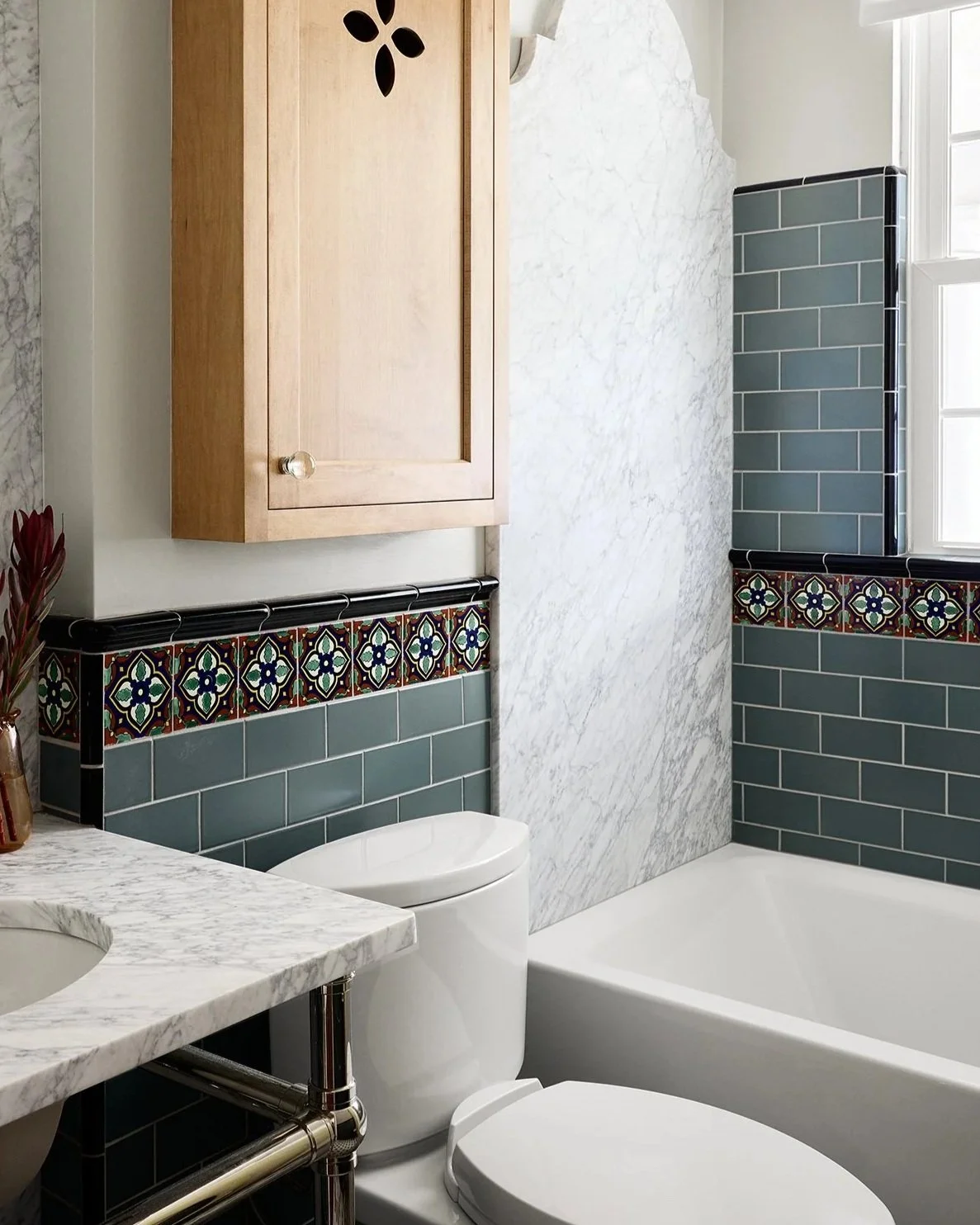
Black quarter-round trim and wainscoting cap tile create a stark border in this luxury bathroom.
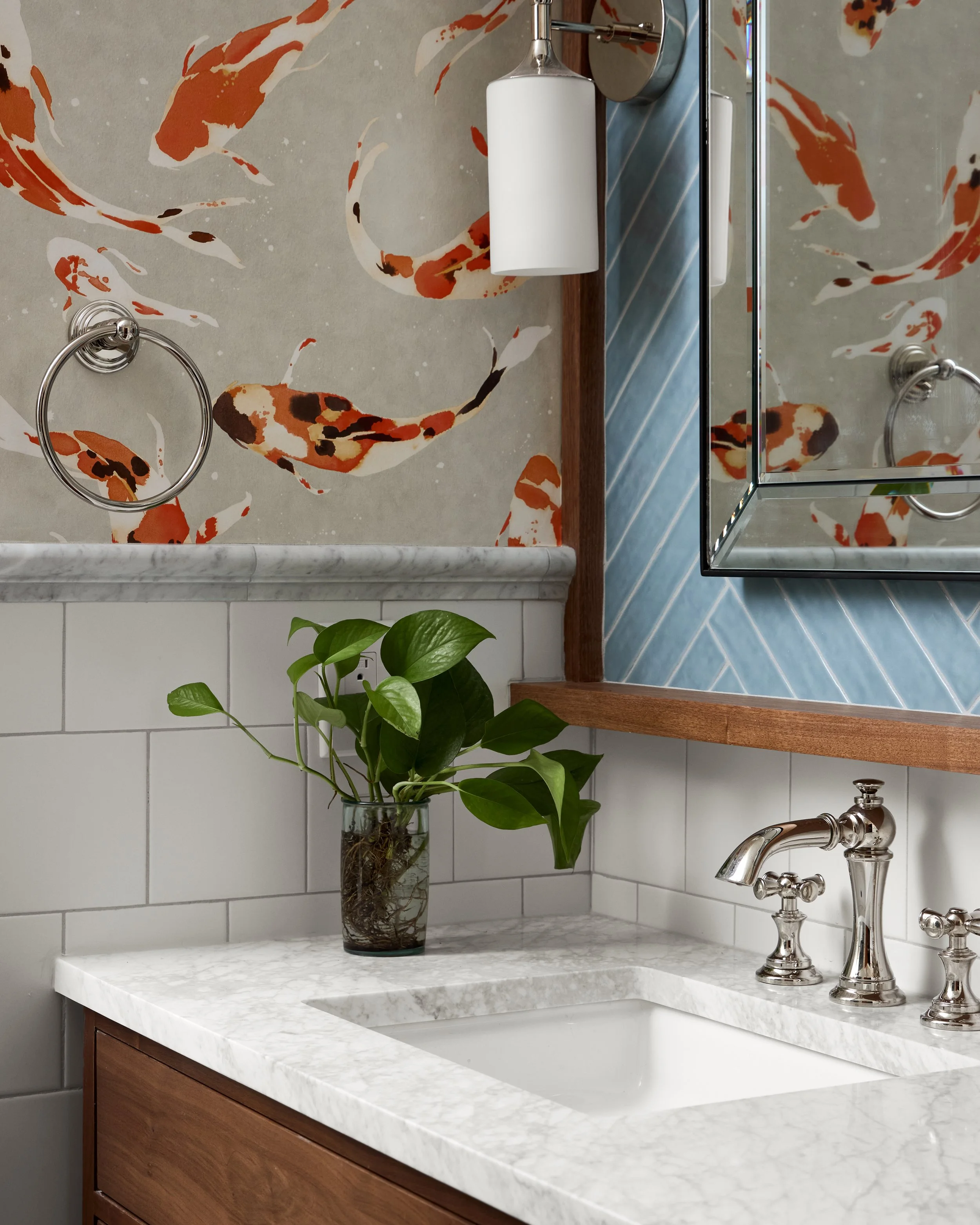
Marble chair rail trim tiles add architectural detail to this Hong Kong-themed bathroom.
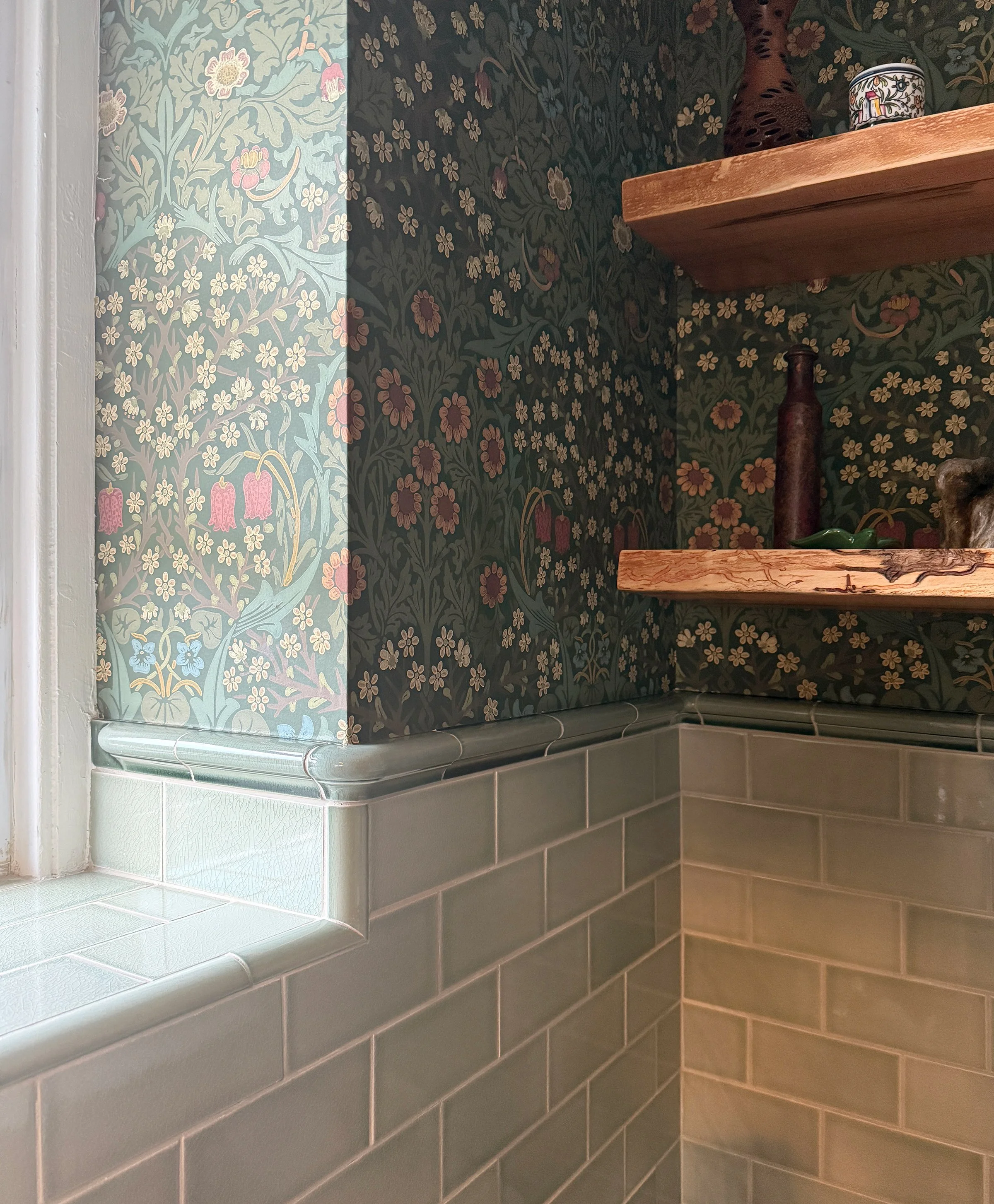
Quarter-round trim and chair rail tile in a soft sage green add subtle detail to this forest-themed bathroom.
Pencil Tile, Liners and Borders
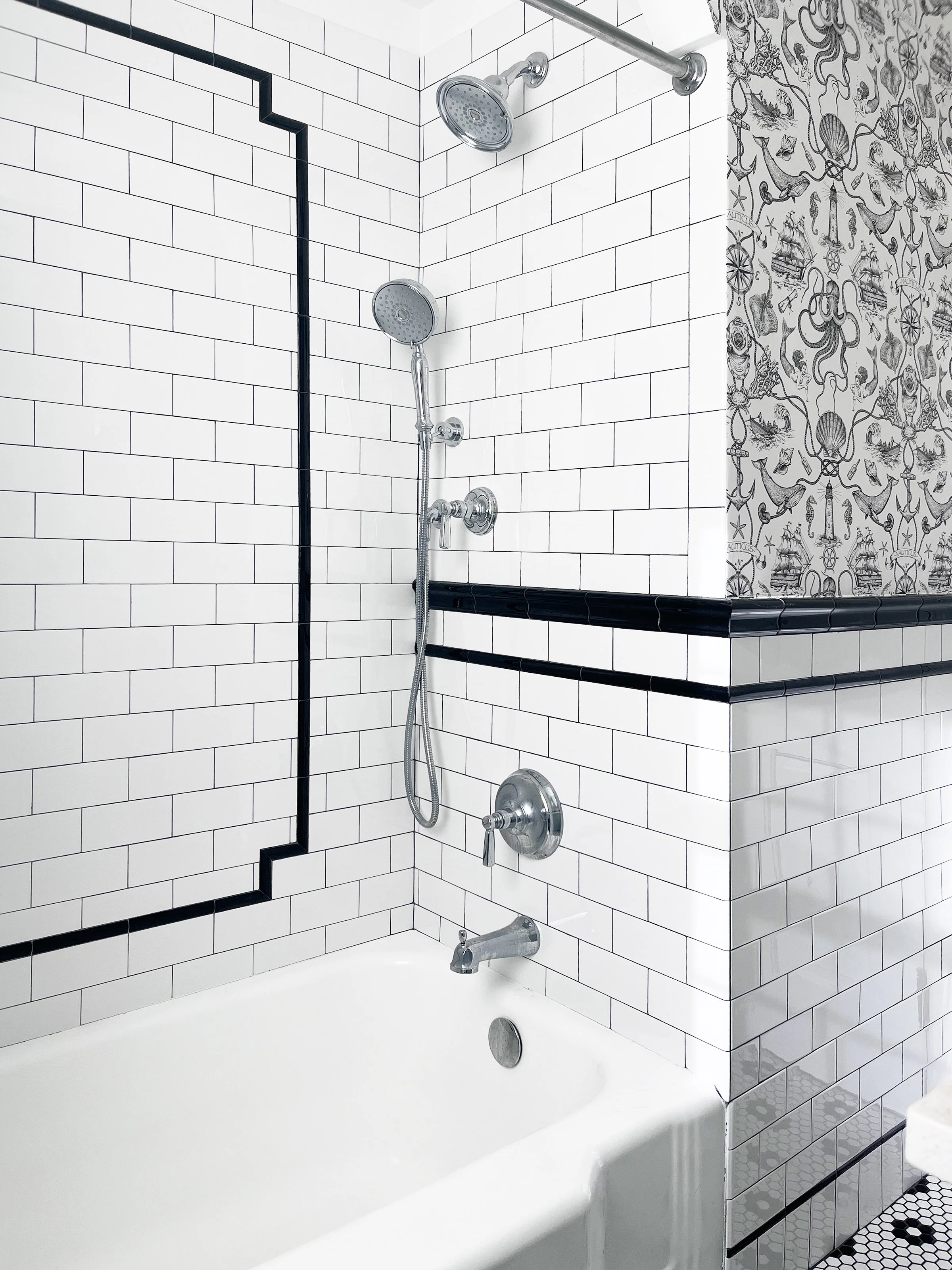
Pencil trim and wainscoting caps create a high-contrast tile design.
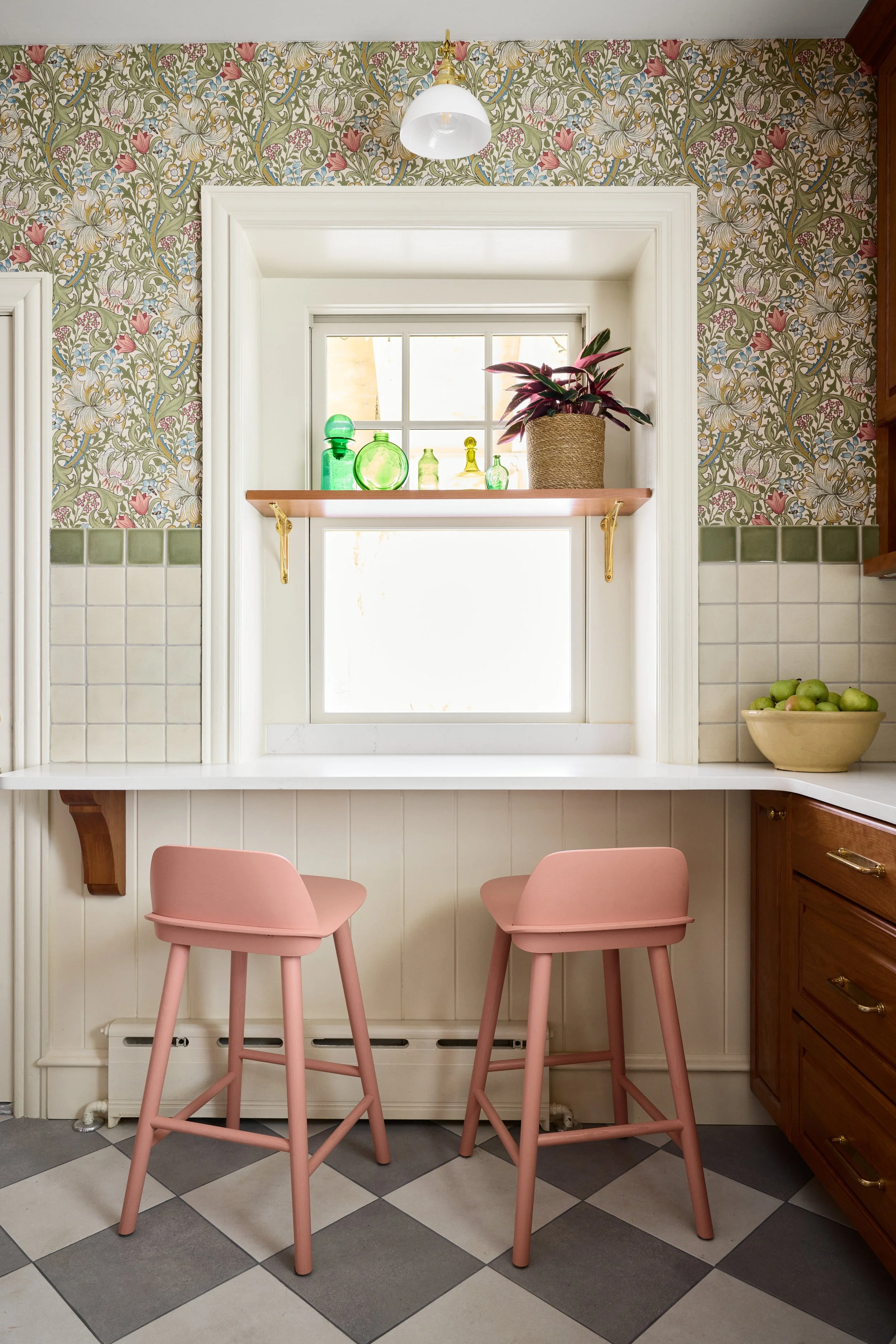
A row of contrasting green tile with a finished glazed edge creates a border in this Craftsman kitchen.
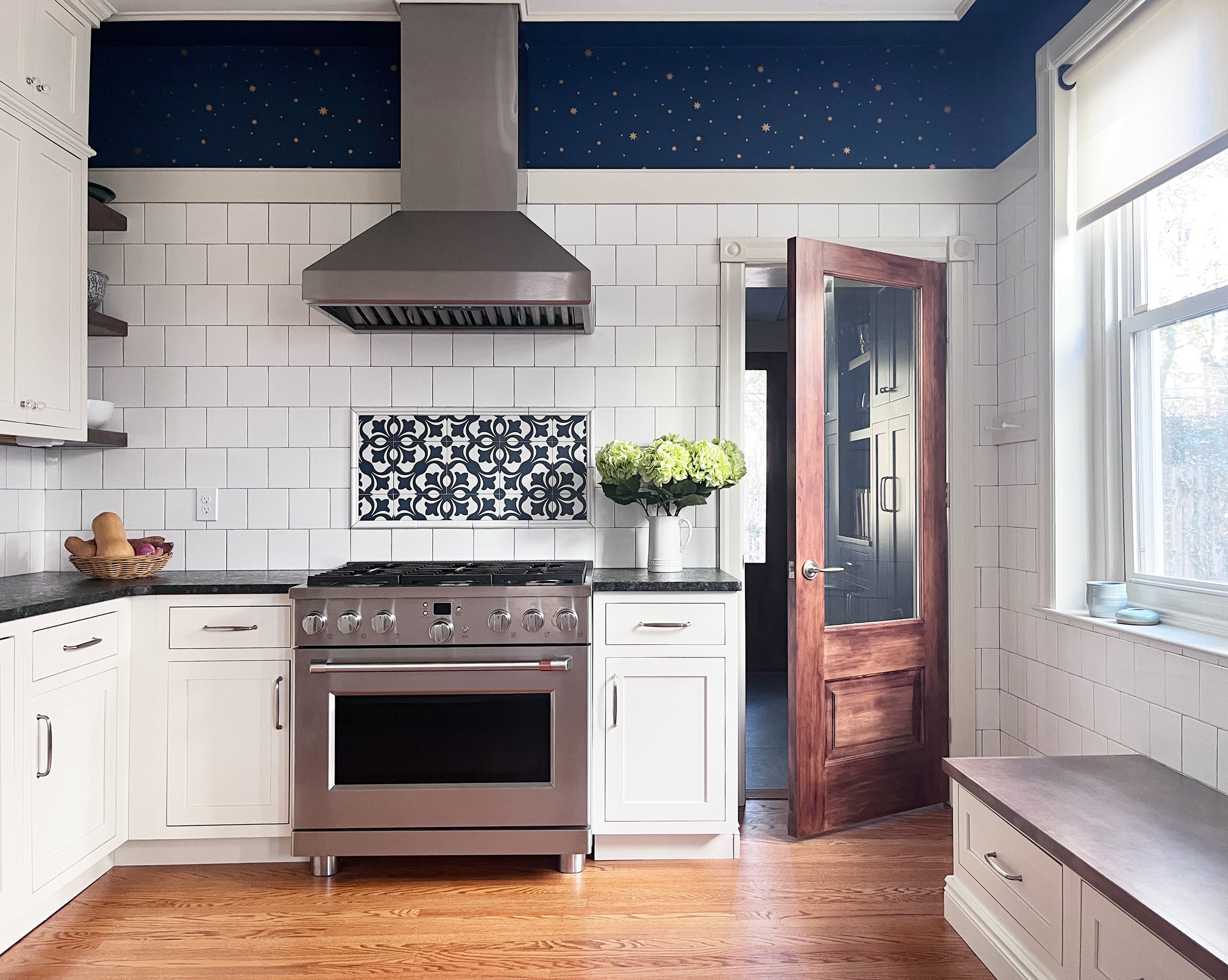
White border tile frames the focal point above the range.
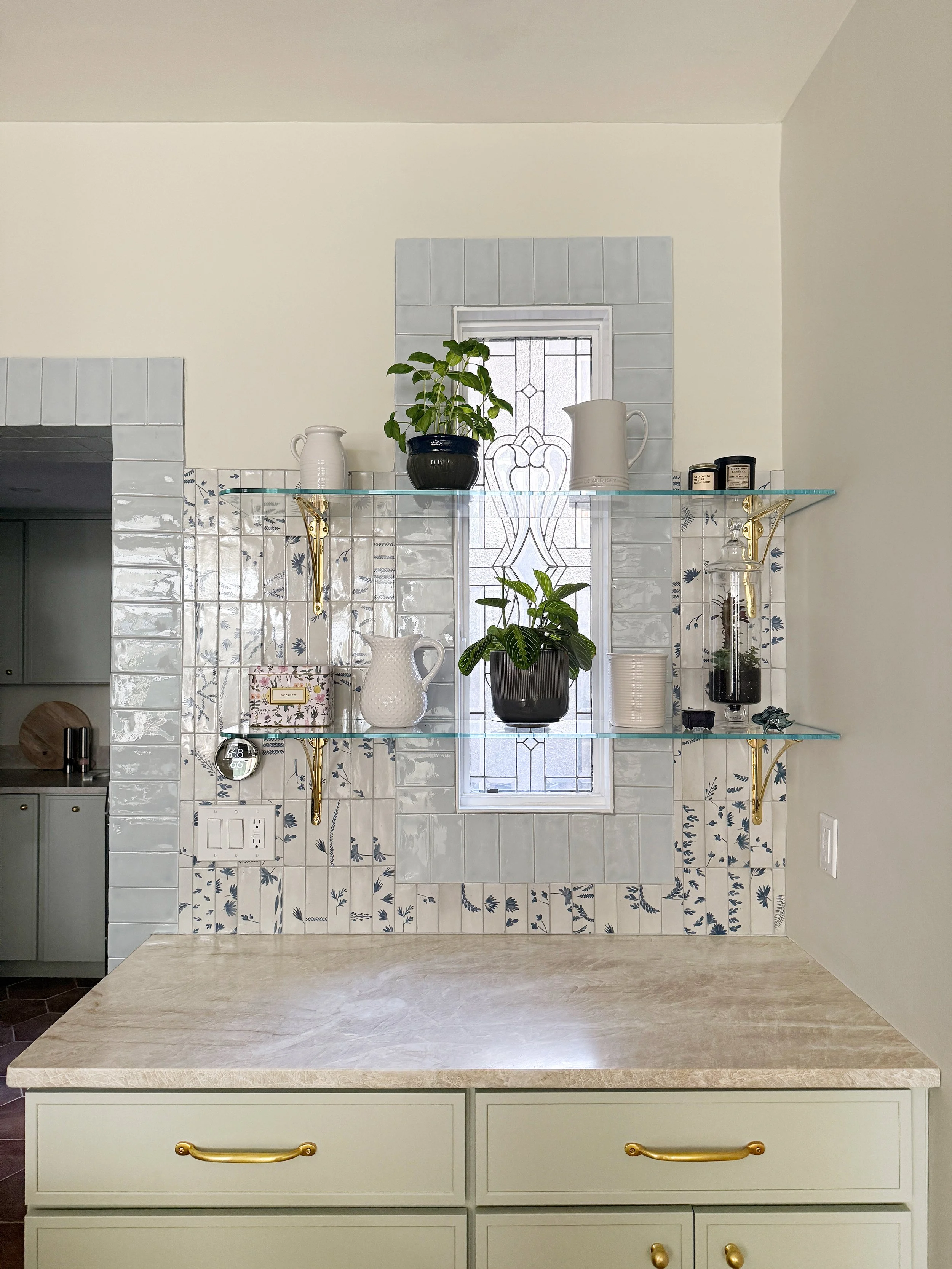
Full tiles in a contrasting color create a border around windows and doorways in this Philadelphia kitchen.
Baseboard Tile
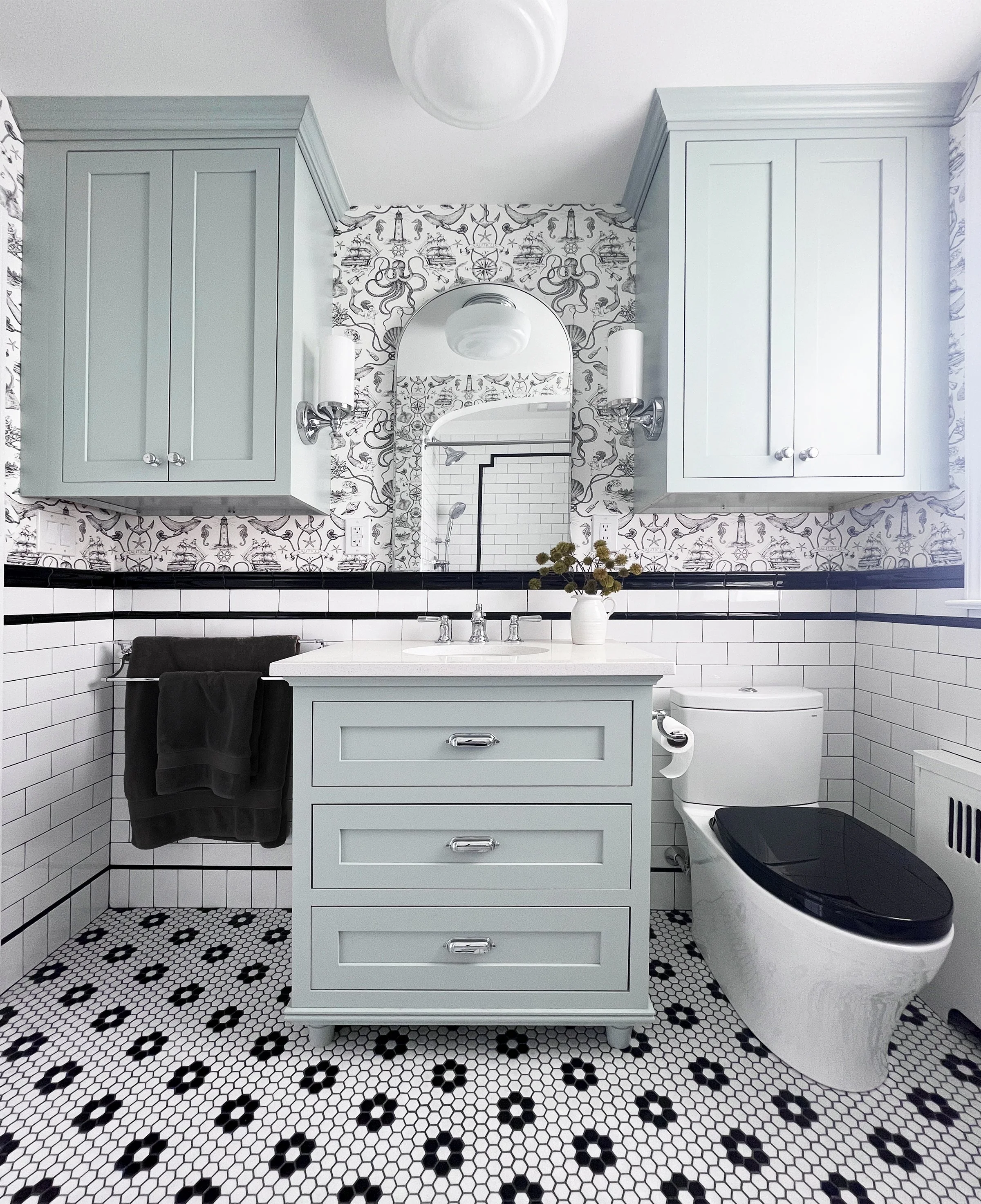
A ‘soldier row’ of subway tile turned vertical along with a black pencil trim creates a baseboard detail in this Mount Airy bathroom.

Black molded baseboard tile creates a strong visual edge in this Art Deco bathroom.
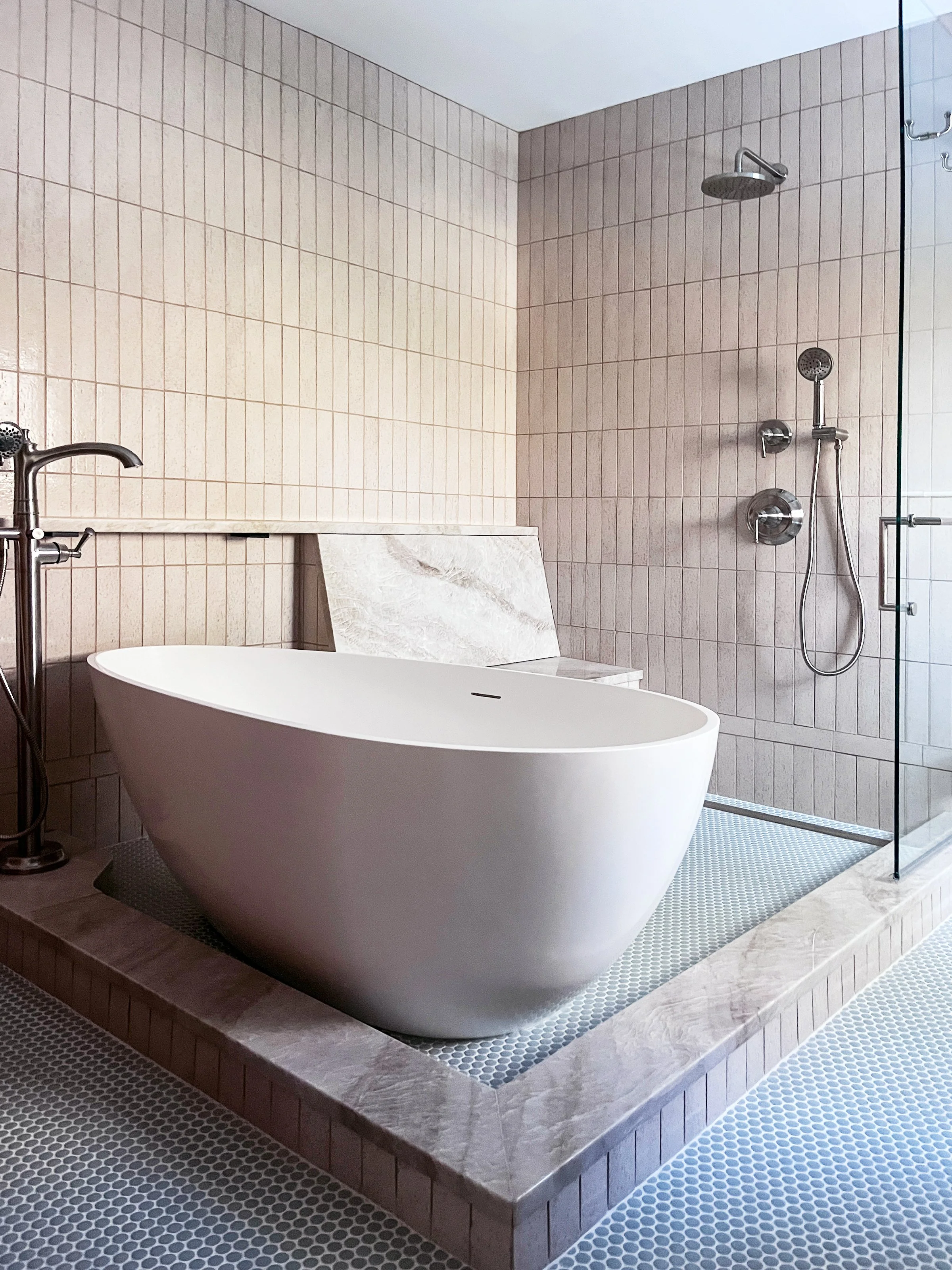
A band of horizontal tile helps to delineate a baseboard soldier row in this wet room.
Vintage Tile Materials
-
Common in historic kitchens and bathrooms
Glazed finishes offer color and easy maintenance
Porcelain provides modern durability
Cons:
More prone to chipping: Some ceramic and porcelain tiles can chip if struck by heavy objects, especially along exposed edges and corners.
Color may not run throughout: With glazed or surface-colored tile, a chip or cut edge can reveal a different color underneath.
Matching can be difficult: Older or specialty tiles may be harder to replace if a tile becomes damaged.
Finish can vary: Handmade or artisan tiles may have variations in color, texture, size, and edge shape, which can be a benefit aesthetically but may require more careful installation.
-
Warm, earthy material with natural variation
Commonly used for floors
Develops character and patina over time
Cons:
Requires regular sealing: Terracotta is porous and needs to be properly sealed to protect it from moisture, staining, and everyday wear. Depending on the finish and use, it may also need to be resealed periodically.
More involved installation: Terracotta tiles can vary in size, thickness, and shape, particularly handmade tiles. They often require careful preparation, layout, and sealing during installation.
Can stain or discolor: Because terracotta is porous, spills can penetrate the tile if it is not properly sealed and maintained.
Variation is inherent: Natural variations in color, texture, and surface can make matching tiles difficult, especially when replacing individual pieces..
-
Durable, decorative flooring materials
Cement tile offers bold patterns and color
Terrazzo provides a classic, low-maintenance surface
Cons:
Can stain easily: Cement tile is porous and can absorb spills, oils, and other substances if it is not properly sealed and maintained.
Requires sealing: Cement tile typically needs to be sealed before use and periodically resealed to protect the surface from staining and moisture.
Can show wear over time: Cement tile can develop a patina and surface variation with age, which may be desirable in a historic home but requires some maintenance.
Heavy and more difficult to install: Cement and terrazzo tiles can be heavier than ceramic tile and may require additional attention to subfloor preparation and installation.
-
Marble, slate, limestone, and other stones suit historic interiors
Natural variation adds depth and character
Durable when properly selected and maintained
Cons
Color and pattern vary by batch: Natural stone is inherently variable, so color, veining, texture, and pattern can differ from one batch to another.
Order extra: Because each piece is unique and future matching can be difficult, ordering extra tile from the same batch is recommended for cuts, breakage, and future repairs.
May require sealing: Some natural stones are porous and need to be sealed to protect against staining and moisture.
Can be more difficult to match later: Once a particular quarry lot is no longer available, finding an exact match for replacement tile can be challenging.

Thoughtful layout and handcrafted art tile create a historic focal point in this colorful kitchen.
Tile Details for Historic Home Styles
When applying tile detailing to a historic home remodel, consider the architecture’s original character and design language. The right combination of pattern, scale, color, and trim can honor the home’s heritage while creating a space that feels refined, timeless, and cohesive. Below, we explore common American architectural styles and the tile characteristics that complement each one.
Craftsman & Arts and Crafts Tile Ideas
Handmade tile
Earth tones
Simple geometric patterns
Decorative borders + relief designs
Natural materials
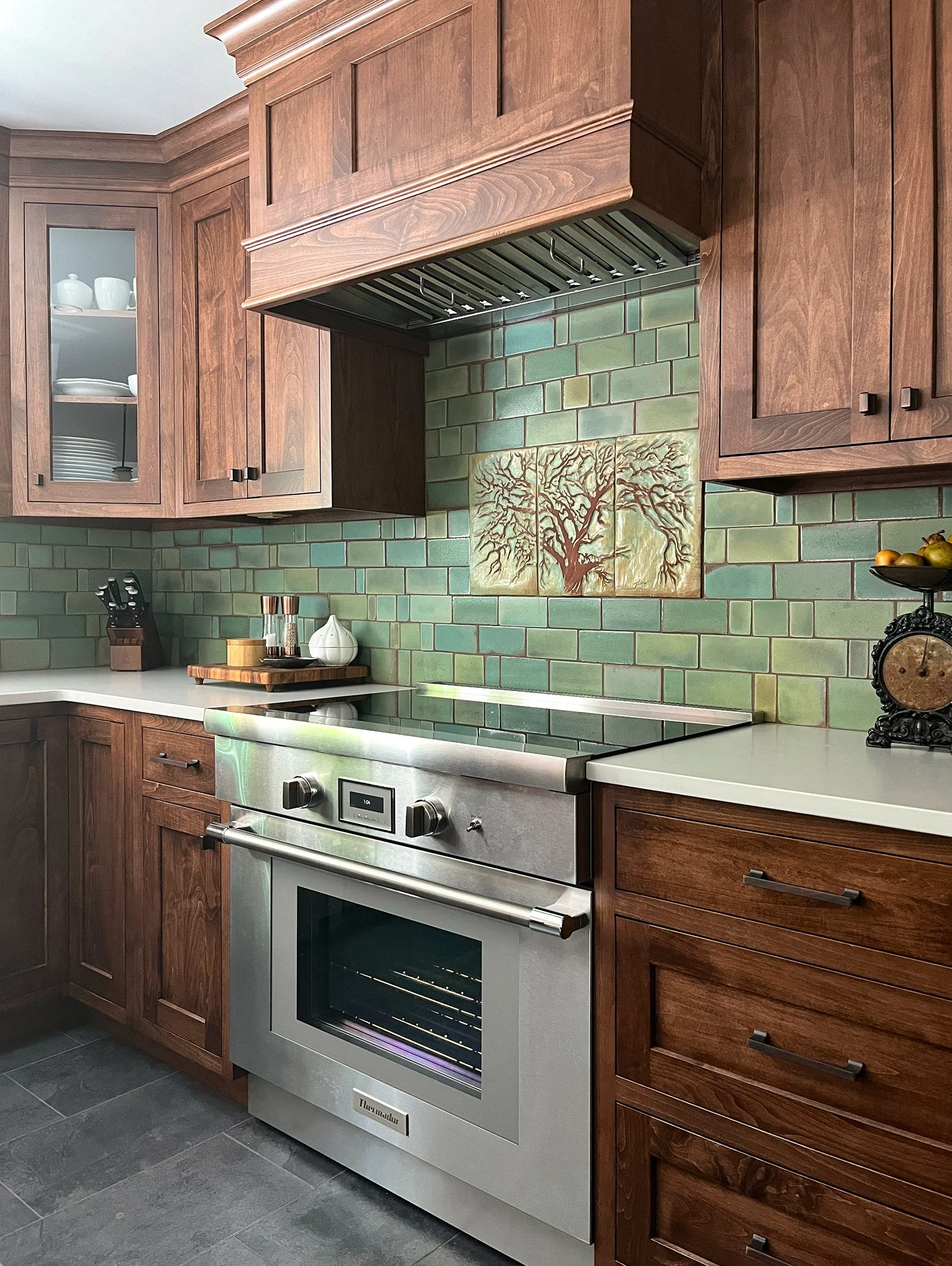
Handmade tile with color variation surrounds nature-inspired art tile.

Marble checkerboard floor tile and simple subway backsplash tile blend with wallpaper and wood accents in this Philly rowhome.
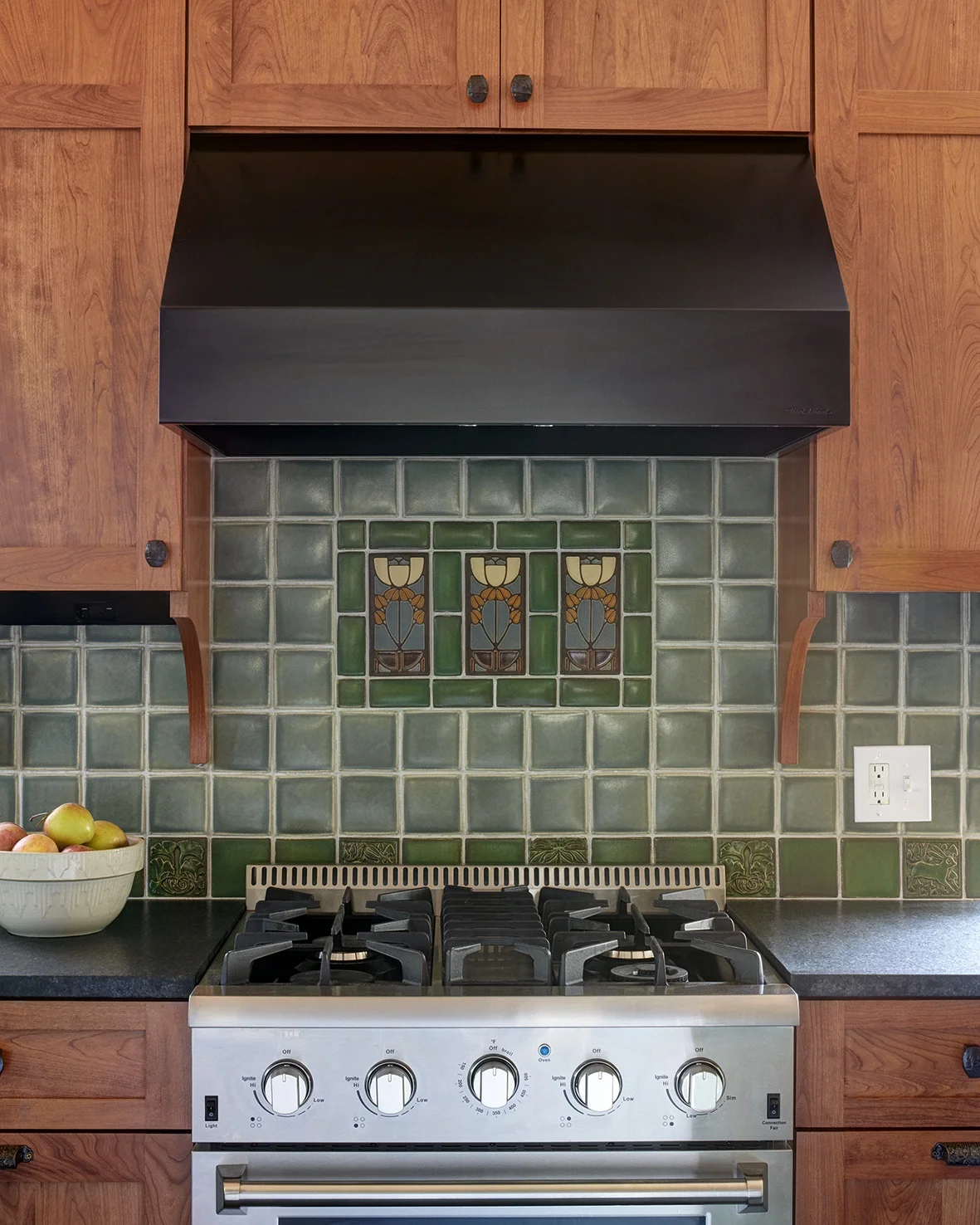
Note the subtle relief tiles in green border along the counter in this Craftsman kitchen.
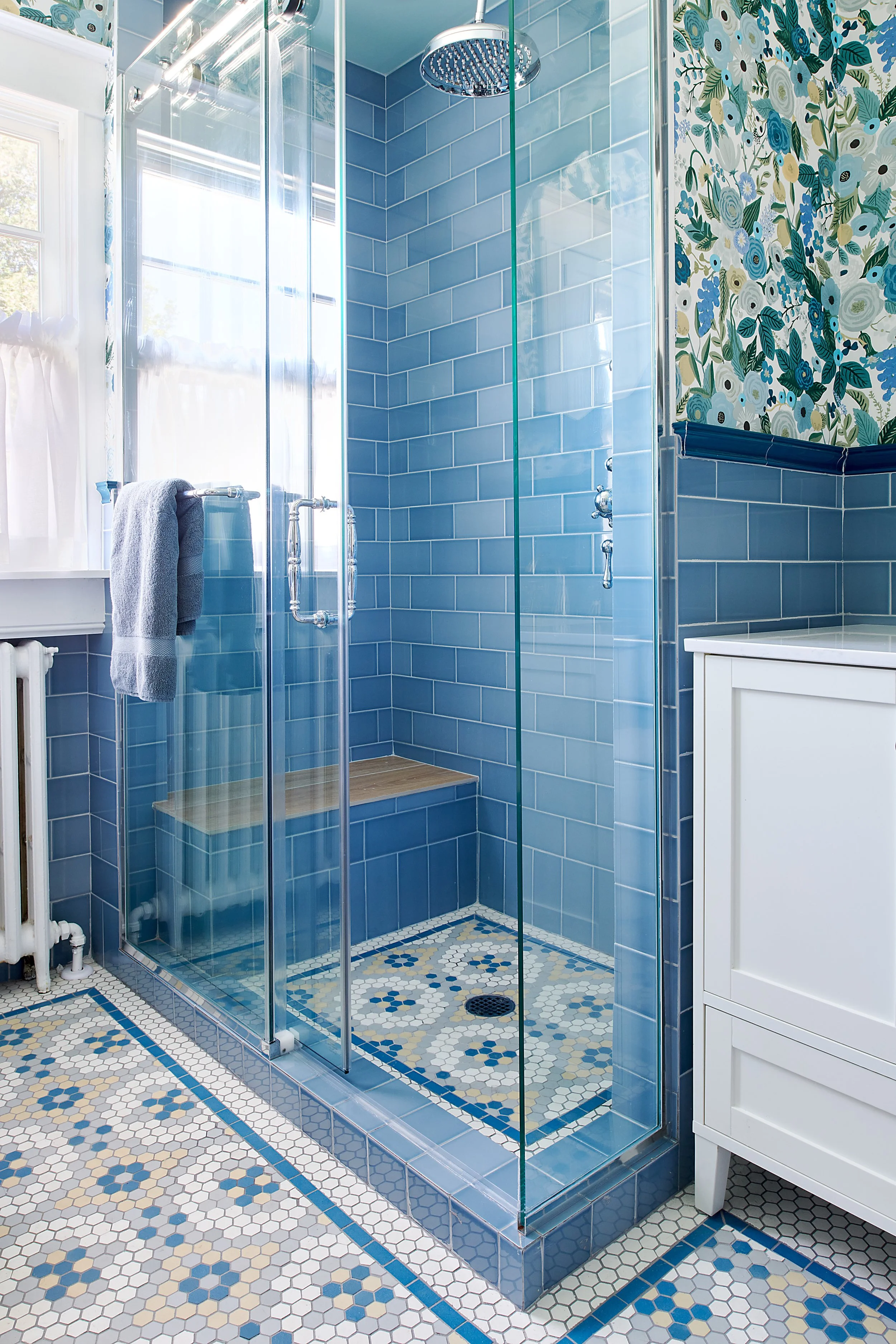
Cottage Style Tile Ideas
Small-format tile
Warm colors
Handmade variation
Penny/hex tile
Simple borders
Art Deco + Art Nouveau Tile Ideas
Geometric patterns
Symmetry
Contrast
Decorative borders
Graphic focal points
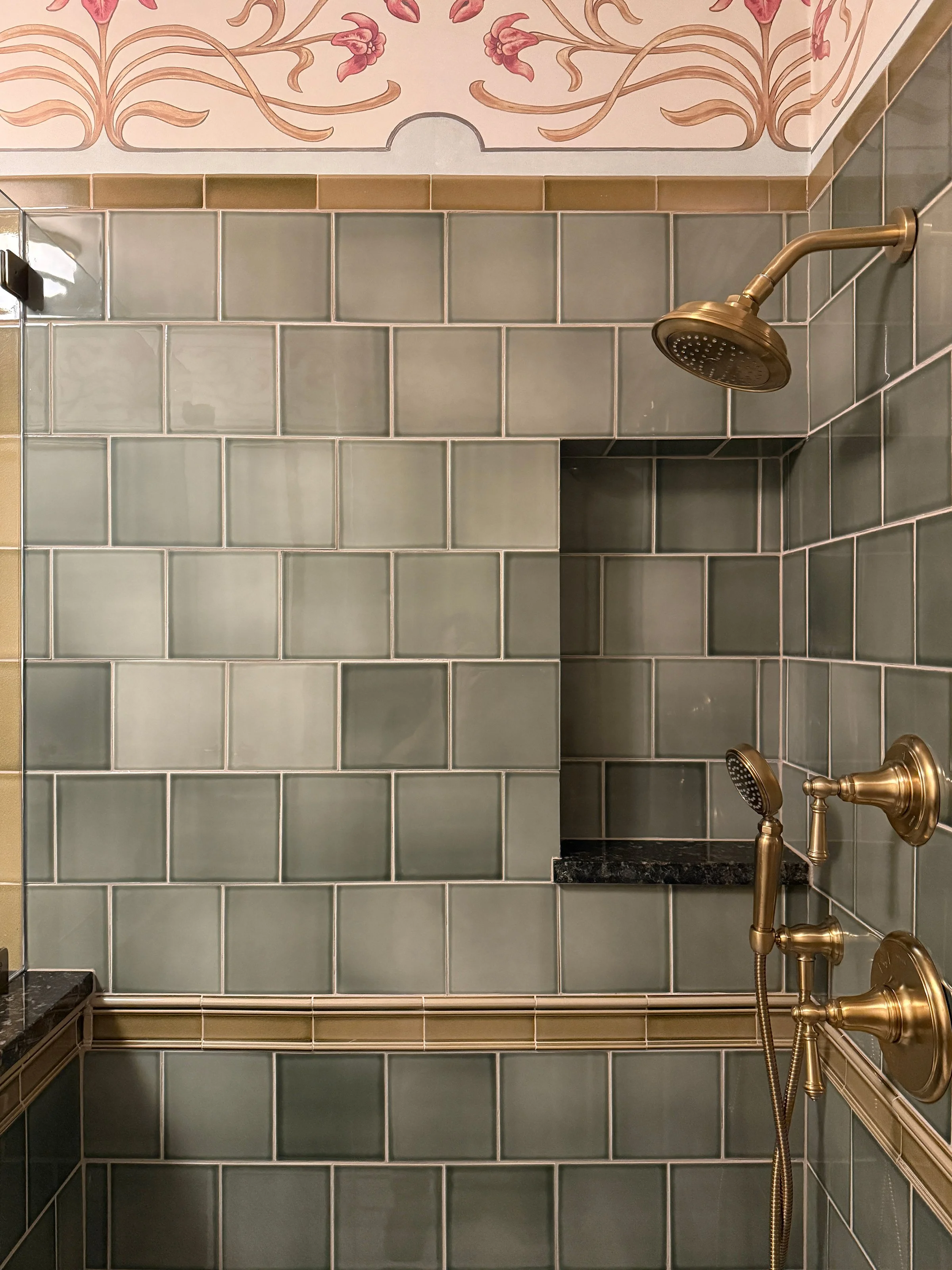
Wainscoting tile and a contrasting bullnose soften the transition between tile and nouveau wallpaper.
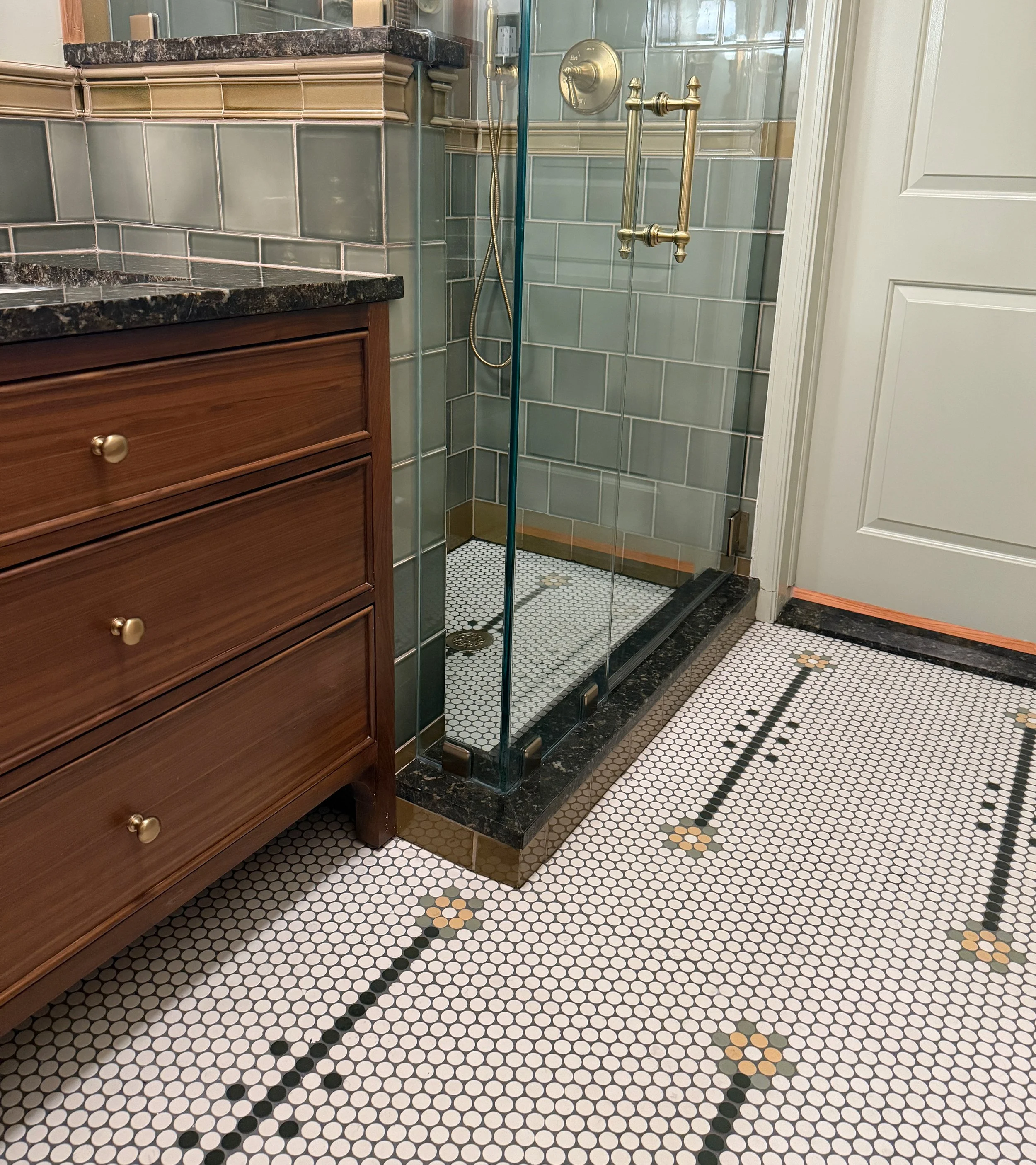
Graphic penny floor tile pairs with baseboard tile for an artistic layered look.
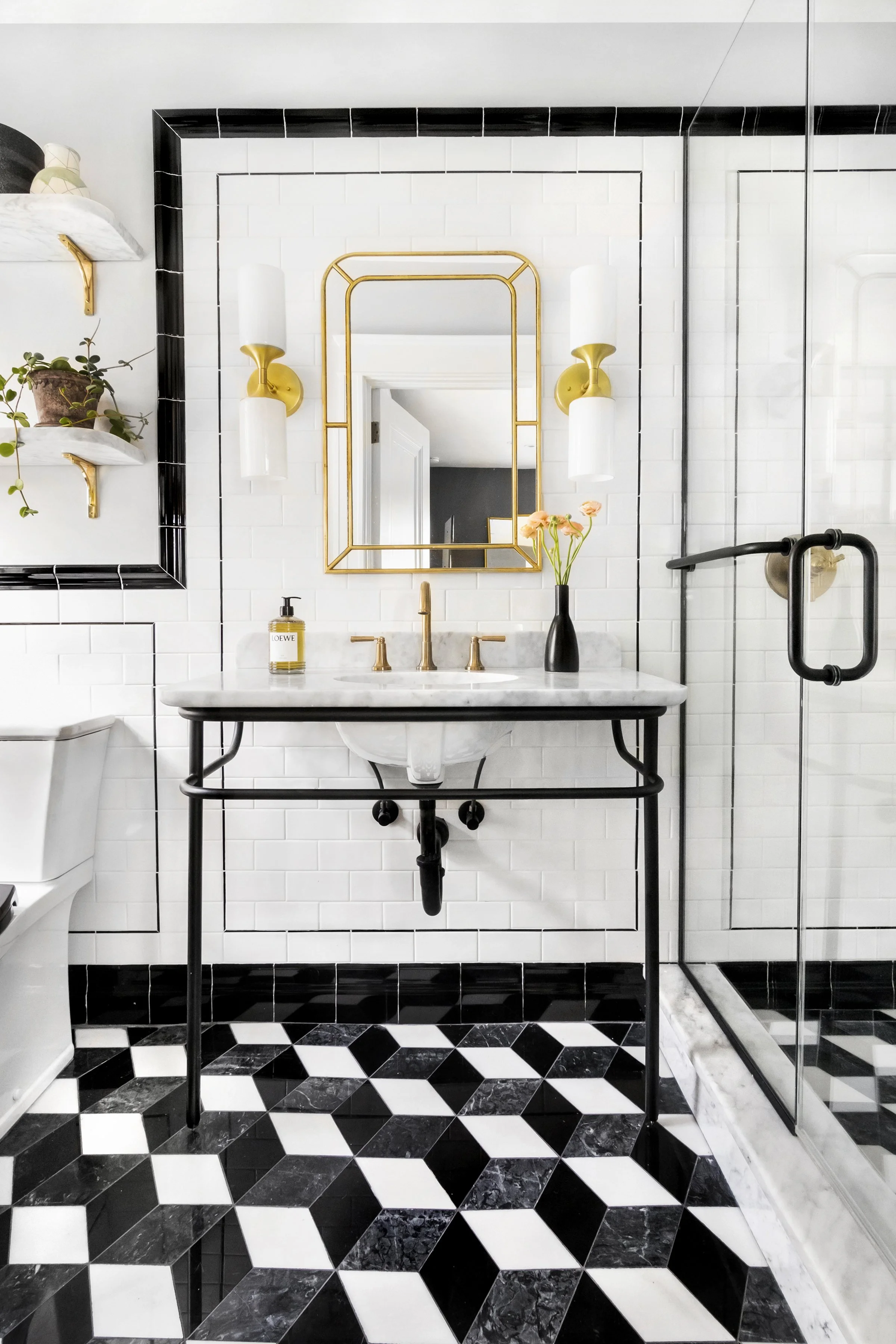
High-contrast black and white tile adds simple luxury in this 1920s deco bathroom.
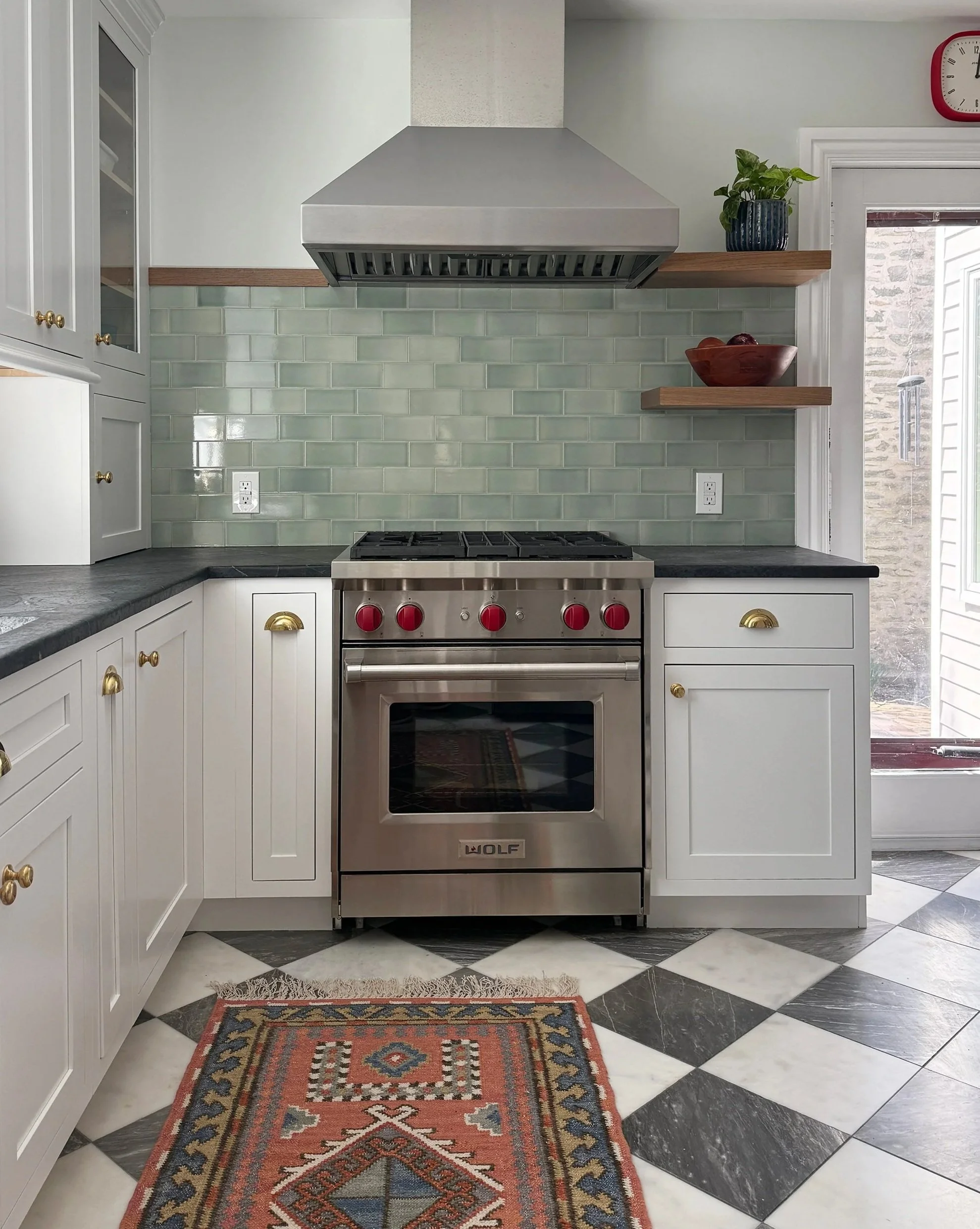
Gray and white marble checkerboard floor tile adds charm to a colonial white kitchen.
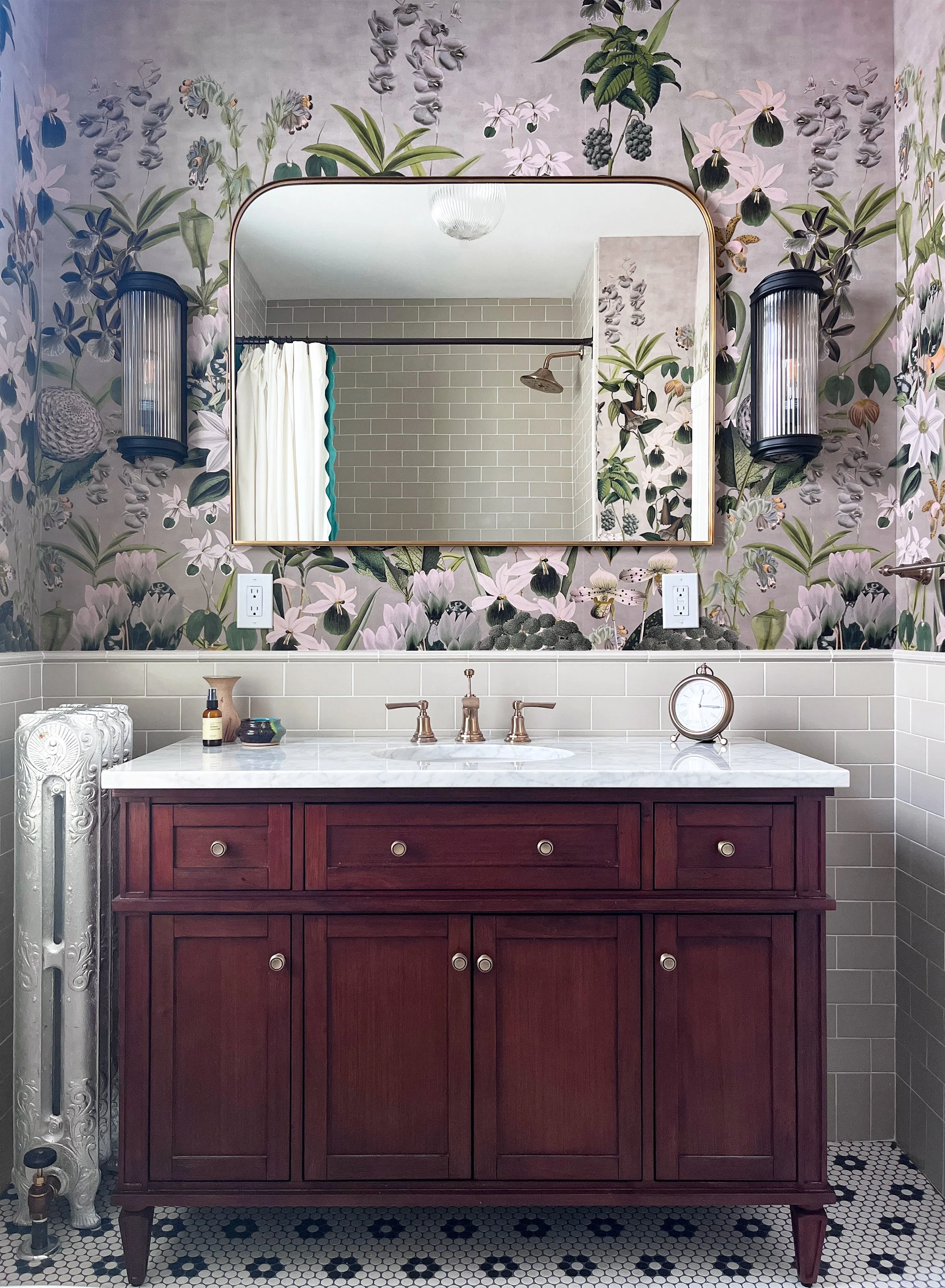
Traditional subway tile, classic trim tile, and black and white penny floor tile are classic and timeless.
Colonial Tile Ideas
Symmetry
Restrained palettes
Checkerboard
Traditional subway tile
Classical molding/trim shapes
Tudor Tile Ideas
Richer colors
Texture
Geometric floors
Darker borders
Natural stone + terracotta
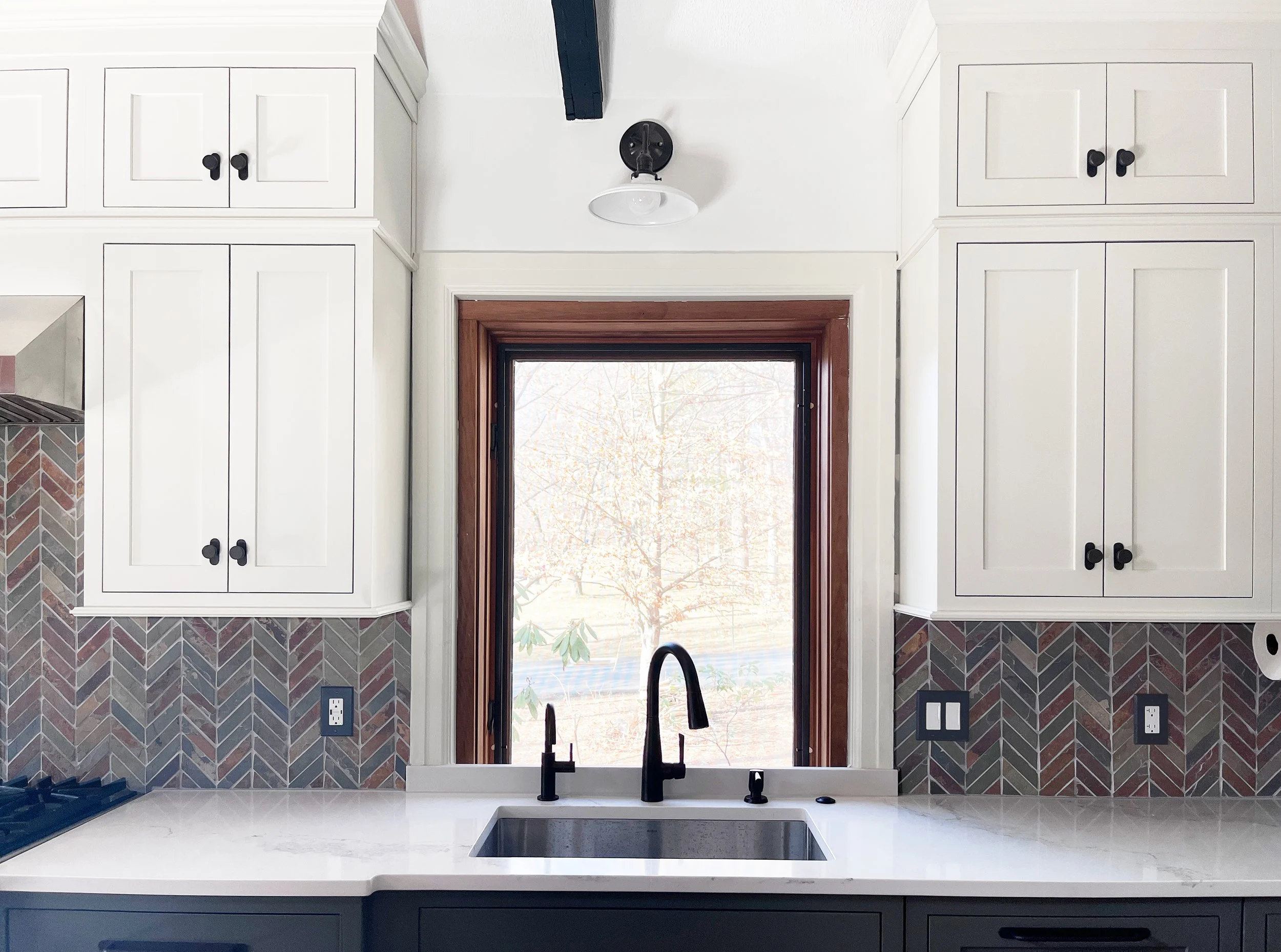
Deep, luxe tones create a rich chevron backsplash. Read about this project in the Philadelphia Inquirer.
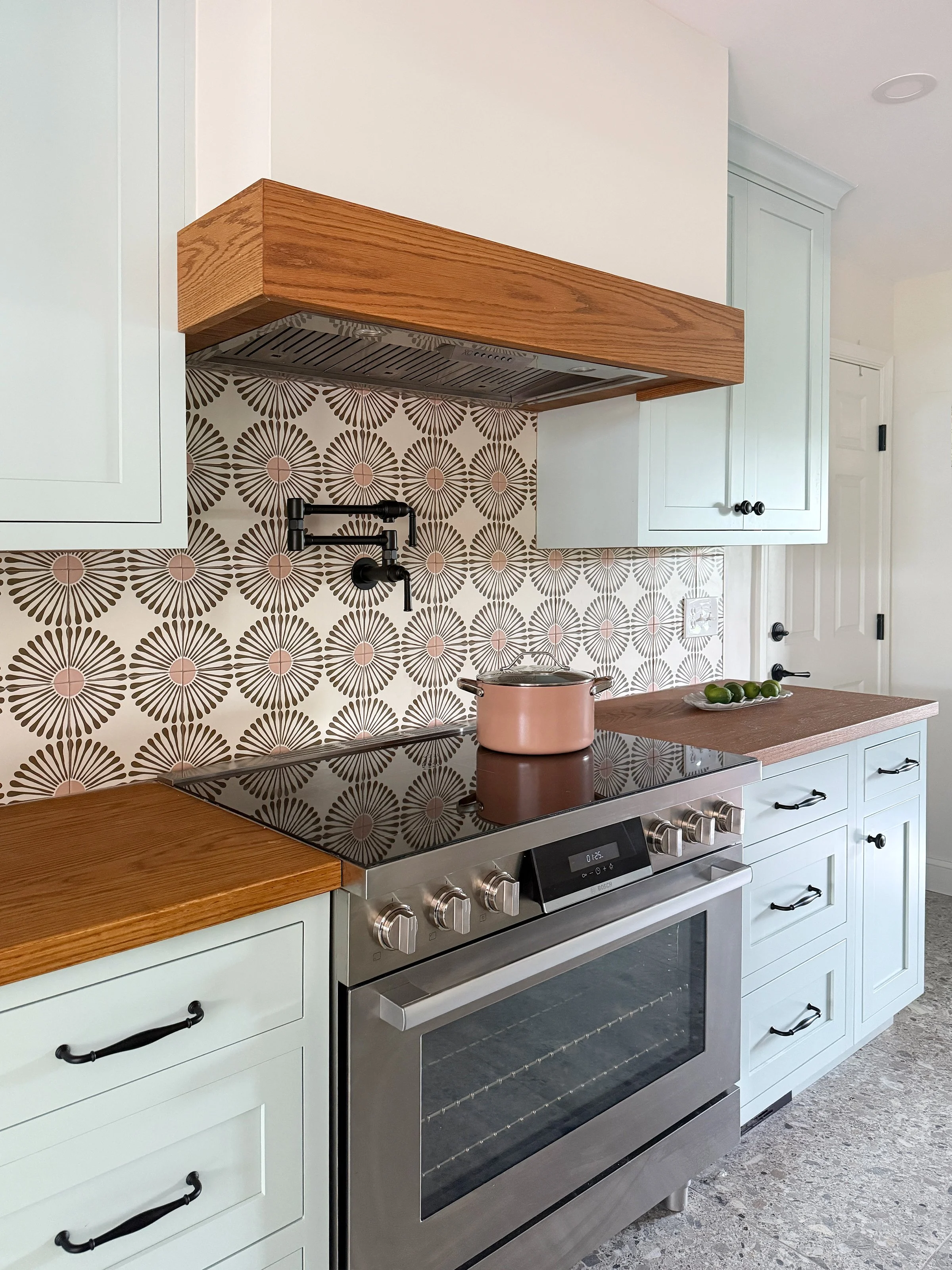
Colorful, large-format tile creates a bold backsplash throughout this Mid-Century kitchen.
Mid-Century Tile Ideas
Colored ceramic
Geometric layouts
Larger formats
Simple patterns
Minimal trim
Contemporary Tile Ideas
Large proportions
Contemporary colors
Simple clean lines for patterns and trims
Artificial materials (like wood-look tile)
Modern fixtures
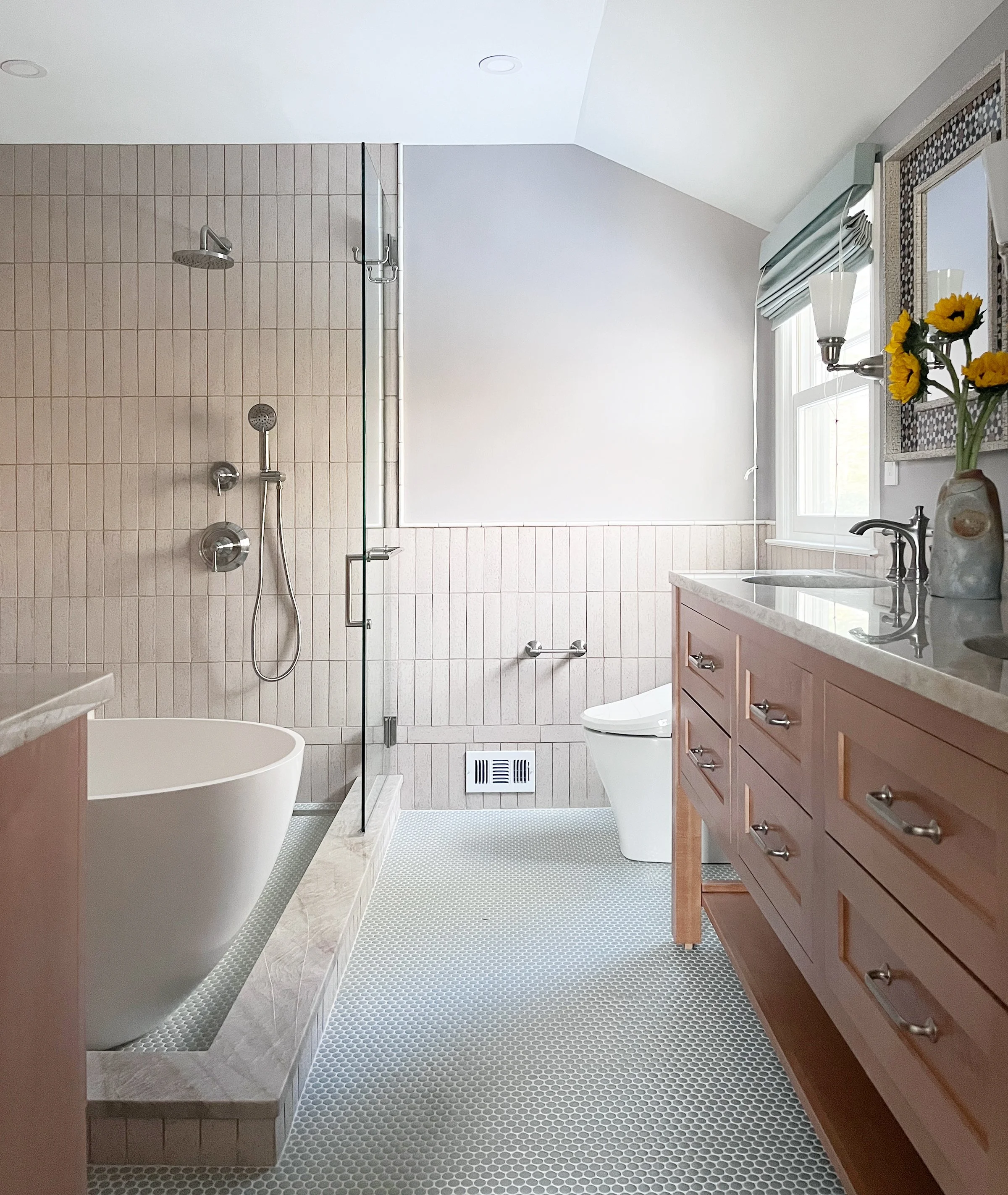
Clean lines, soft neutral colors, and simple rounded trim tiles create a custom look in this contemporary Wyndmoor bathroom.
Historic Home Renovation and Tile
Renovating historic homes gives us the opportunity to act as stewards, honoring the traditions and craftsmanship that came before while adapting the space for modern enjoyment and preserving it for generations to come. The right details will make a space feel refined and timeless, while careful choices in material and installation offer durability.
Historic Tile FAQs
-
The Moravian Pottery & Tile Works in Doylestown, Pennsylvania is a great local resource. Founded by Henry Chapman Mercer, TileWorks continues to produce handmade tiles using traditional methods and Bucks County clay, including reissues inspired by Mercer’s original designs.
-
Penny round, hexagon, checkerboard, herringbone, basketweave, and running bond are common historic-inspired patterns.
-
Plan the tile layout before ordering. Account for pattern repeats, trim pieces, cuts, transitions, and extra material for repairs or future replacements.
-
Choose tile that complements the home's architecture through its scale, material, color, pattern, and detailing.
-
Choose grout based on the tile and pattern. Matching grout creates a quieter look, while contrasting grout highlights the layout and detailing.
-
No. Historic renovations can reference original materials and craftsmanship without recreating them exactly.
