
Antique Styles That Inspired Our Cabinet Door Designs
When designing kitchens in historic homes, we look to the era’s original furniture, doors, cupboards, and millwork for inspiration. Design elements like panel proportions and beading can nod to a home’s architectural history. In this guide, we’ll explore several historic architectural periods, the cabinetry and millwork styles associated with each, and how we draw on these influences today.
Colonial Cabinet Doors: Raised Panels and Deep Moldings
c. 1700–1780
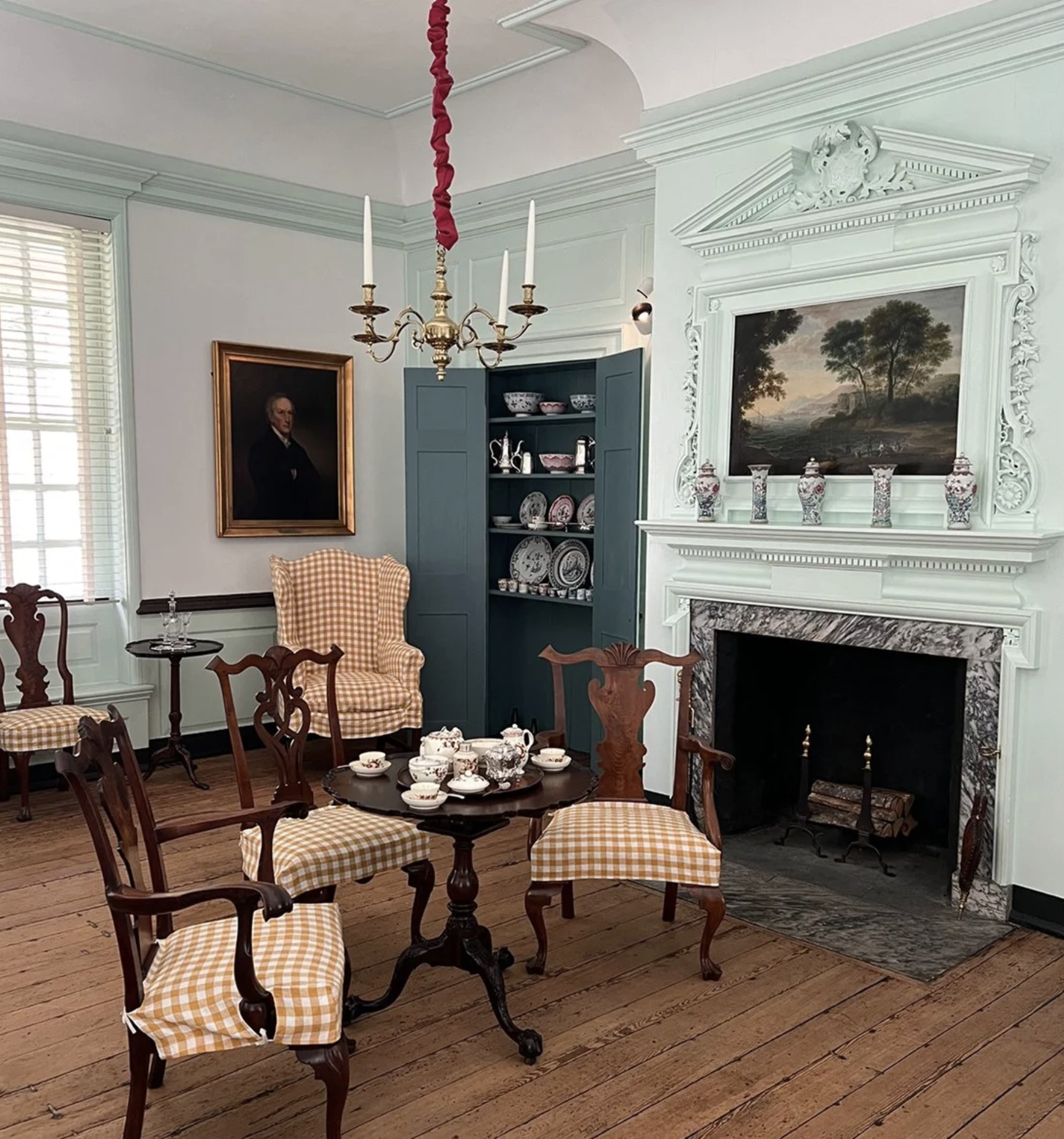
Woodford Mansion’s restored corner cupboard is an early example of built-in cabinetry, combining practical storage with the architectural details of an 18th-century Philadelphia home. The closet was restored using physical evidence uncovered during conservation work. Image Source
In wealthy Colonial-era homes, elaborate wood paneling appeared in formal parlors and reception rooms, where it showcased craftsmanship and helped create an impressive setting for entertaining guests. Society Hill in Philadelphia has a strong collection of 18th- and 19th-century homes, including Georgian and Colonial-era residences. Powel House’s second-floor parlor is a documented example of Philadelphia’s refined 18th-century interior woodwork.
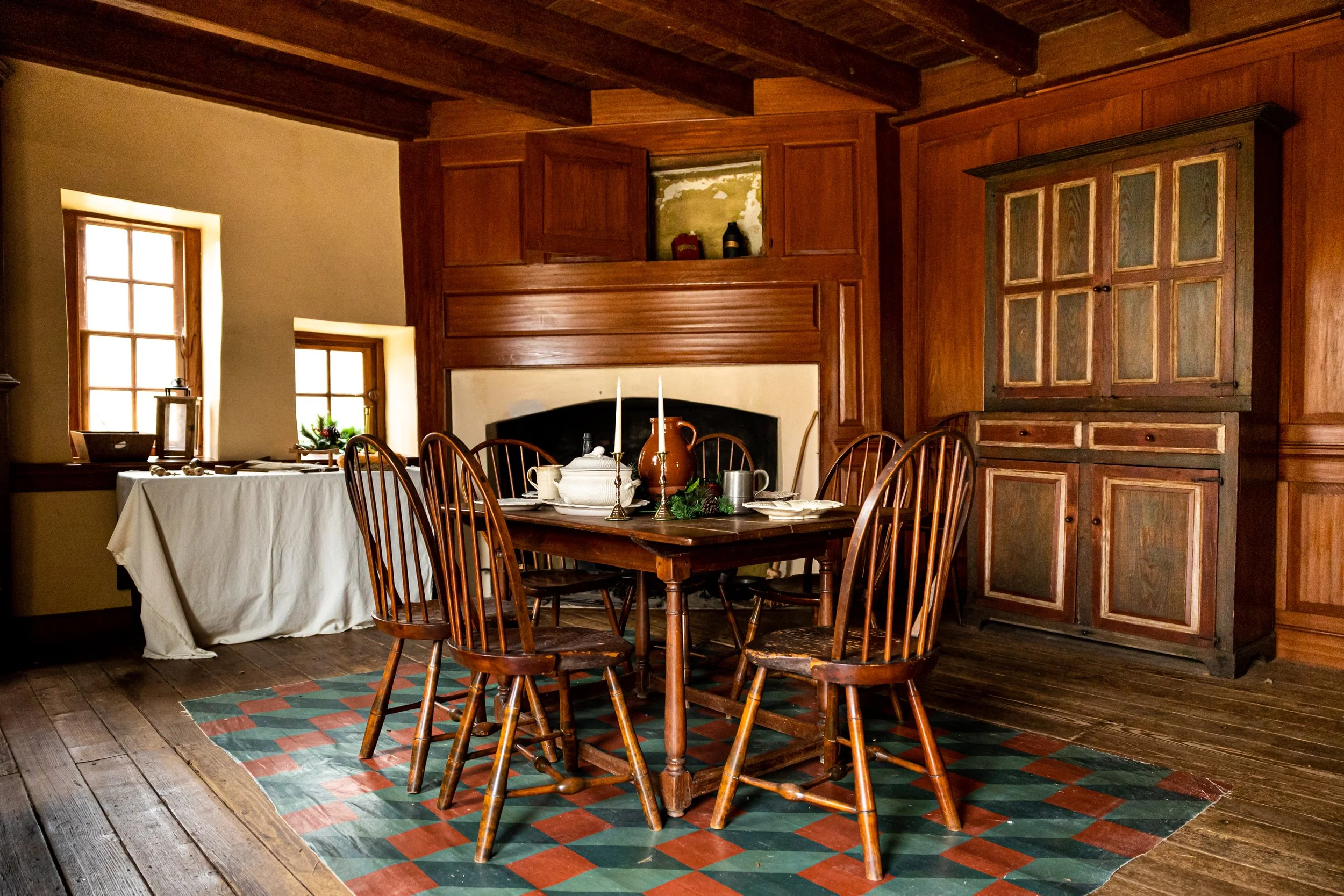
The Hezekiah Alexander House, built in 1774 and preserved at the Charlotte Museum of History, showcases the traditional interiors and craftsmanship of early North Carolina. Image Source
Colonial-Inspired Cabinetry Reimagined for Today
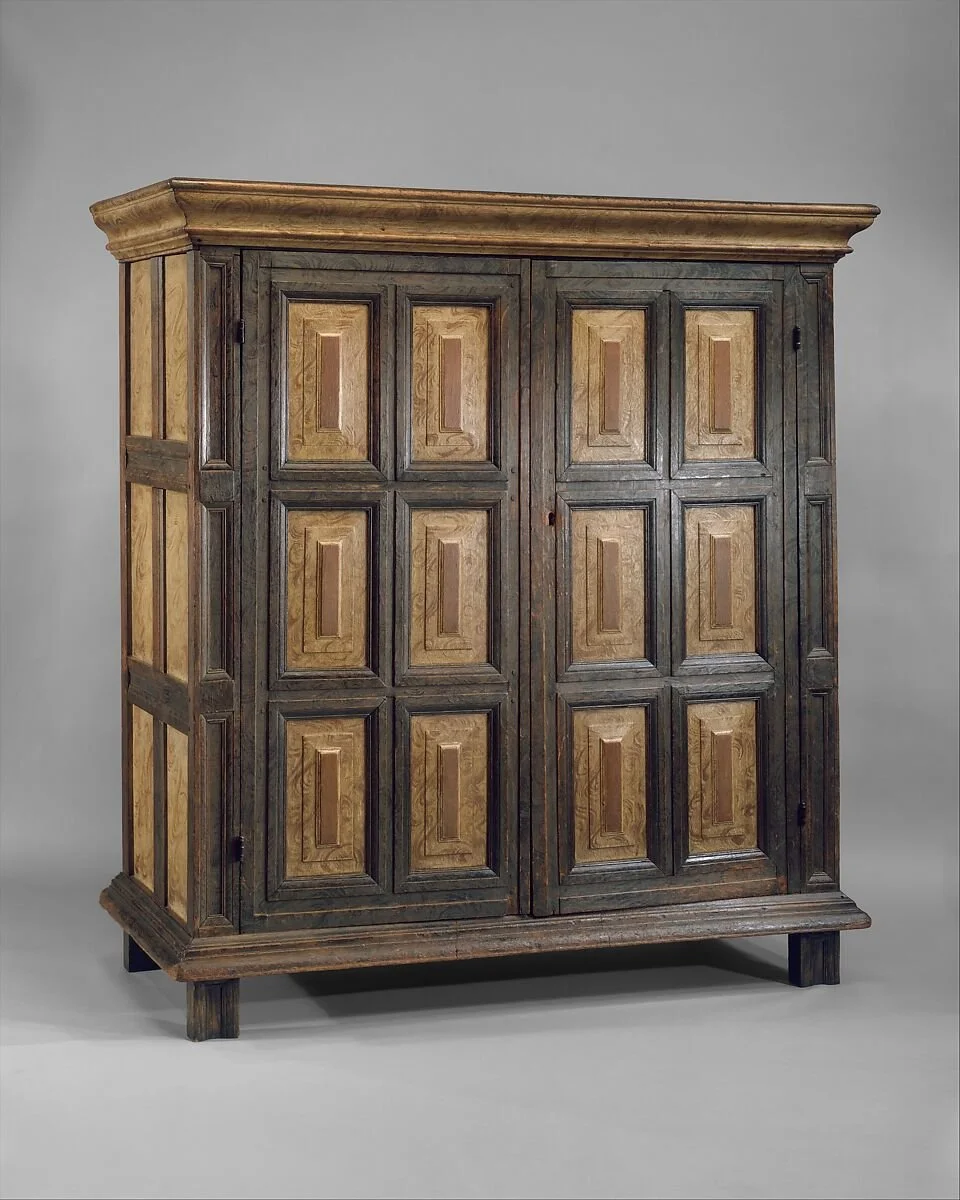
Raised-panel doors and molded edges suit 18th and 19th-century homes because they echo the traditional proportions and detailed woodwork found throughout them. Colonial and Georgian interiors often featured symmetrical layouts, raised panels, and deep molded edges, particularly in formal rooms.

Raised Panel
Raised panel doors use a center panel that projects forward within a molded frame, creating shadow and depth. Image Source: Airy Kitchens

Colonial
With proportions and details inspired by early American cabinetry and woodwork, we designed this door to feel refined but not overly ornate. Image Source: Airy Kitchens
Federal Cabinet Doors: Slimmer and More Refined
c. 1780–1830
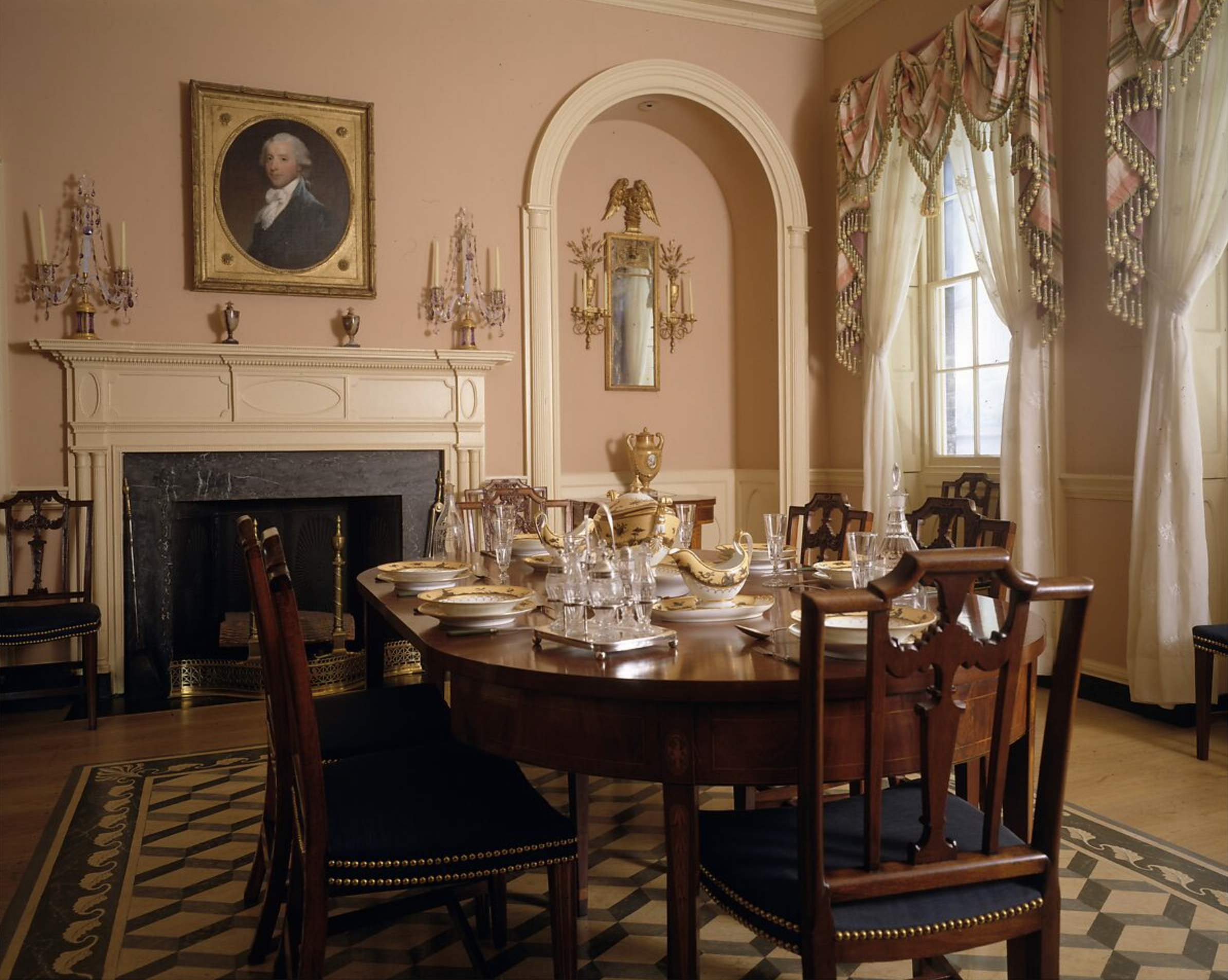
The parlor served as the main gathering space for entertaining guests in Henry Craig’s home, featuring its finest woodwork and the Federal style’s signature elegance. Image Source
Federal-era furniture often featured balanced proportions, slender moldings, carefully shaped panels, and classical details. Housekeeper’s cupboards and other storage furniture combined practical function with decorative restraint. These details are still relevant in Philadelphia’s historic homes, including the Hill-Physick House in Society Hill.
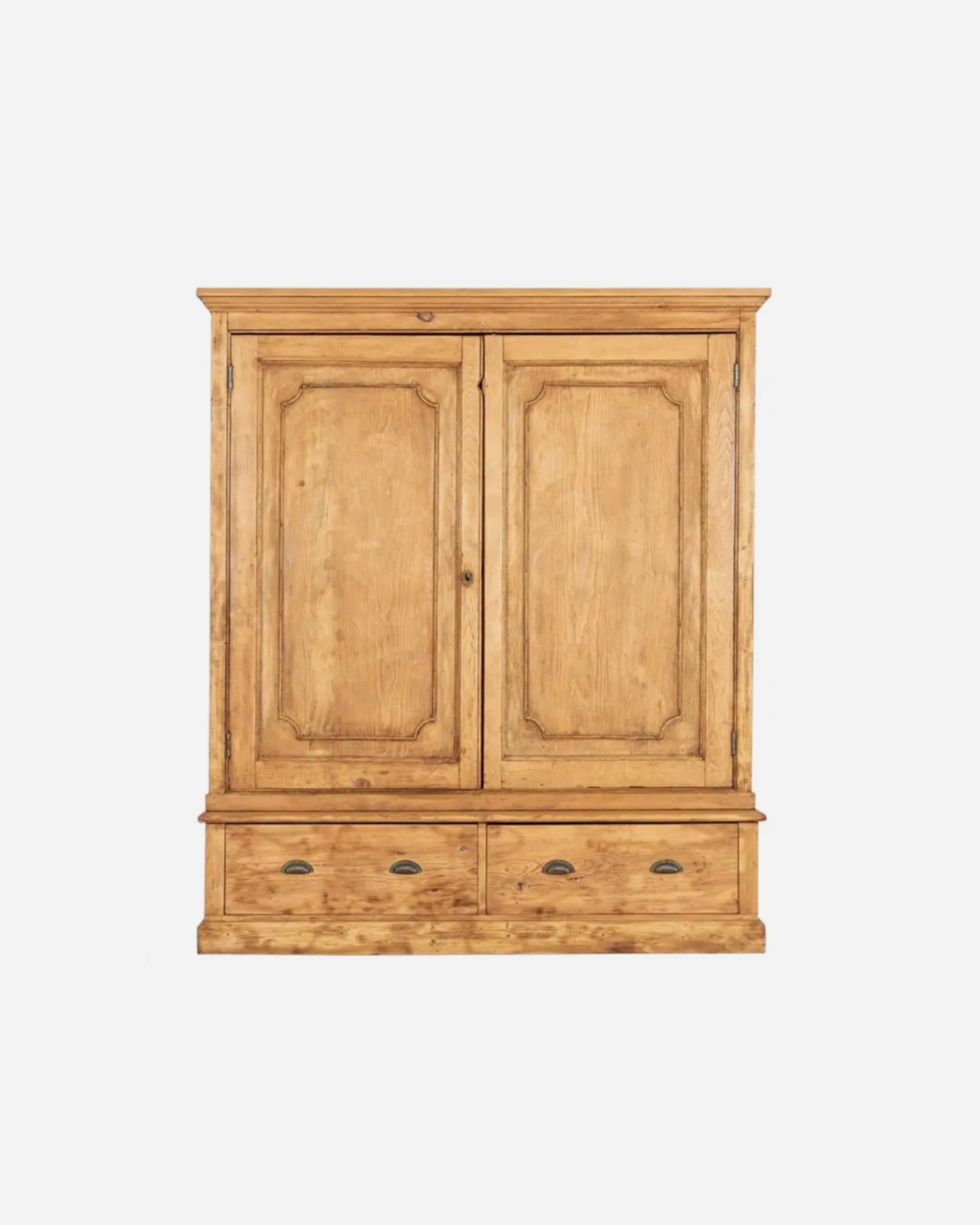
This cupboard reflects the Federal style’s preference for clarity and balance with thin moldings. Image Source
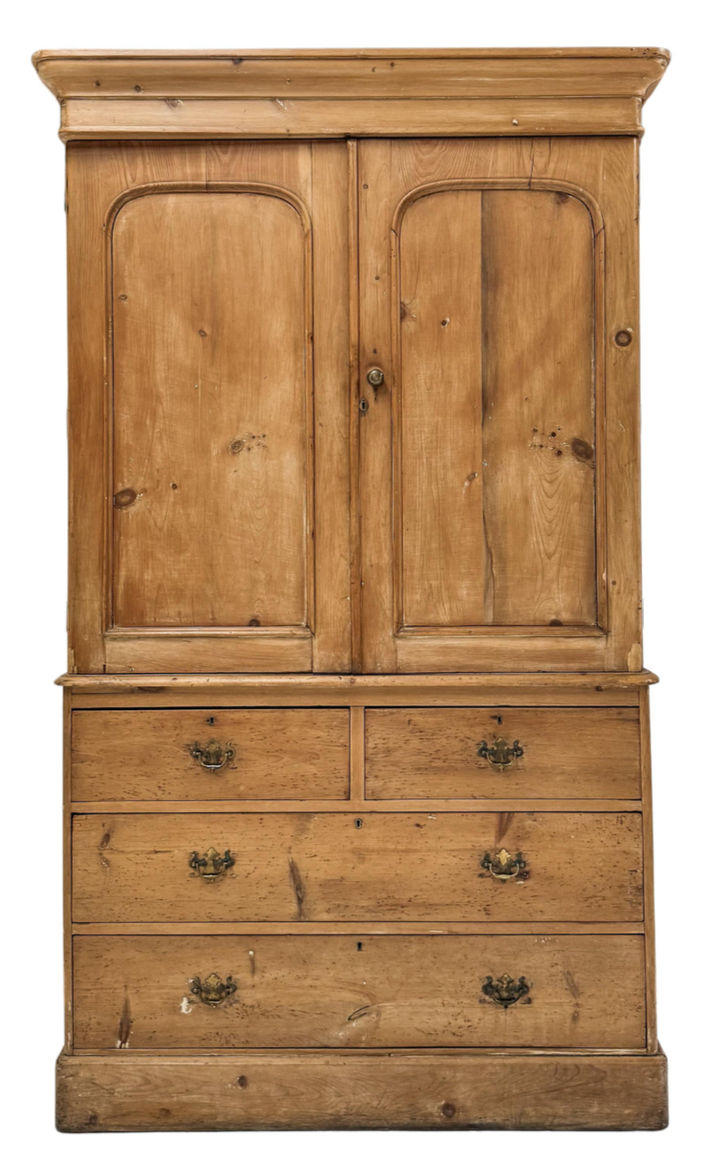
The arched panels on this housekeeper’s cupboard introduces curves that soften the furniture’s otherwise structured form. Image Source
Our Take on Federal Cabinet Doors
Federal design drew inspiration from classical architecture, emphasizing symmetry, balanced proportions, and refined detailing. In cabinetry, slimmer profiles, carefully shaped panels, and restrained moldings complement historic interiors, preserving their character without overwhelming the space.
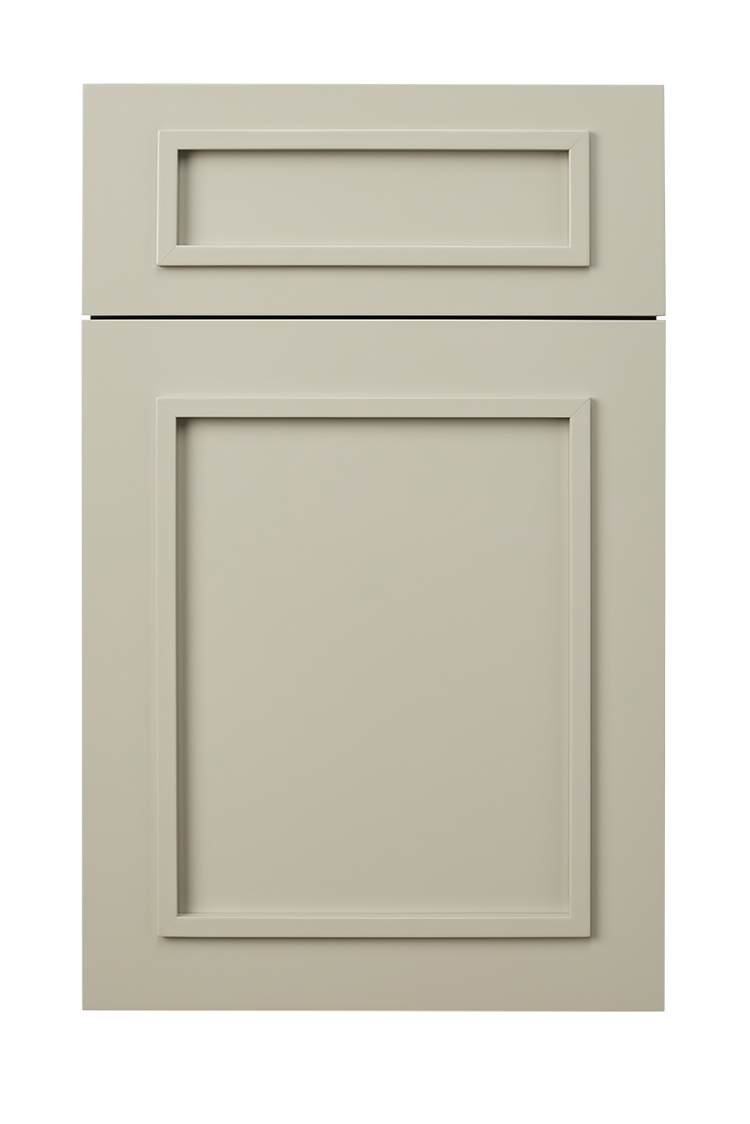
Prairie
Simple geometric lines inspired by early American architecture and furniture. Image Source: Airy Kitchens
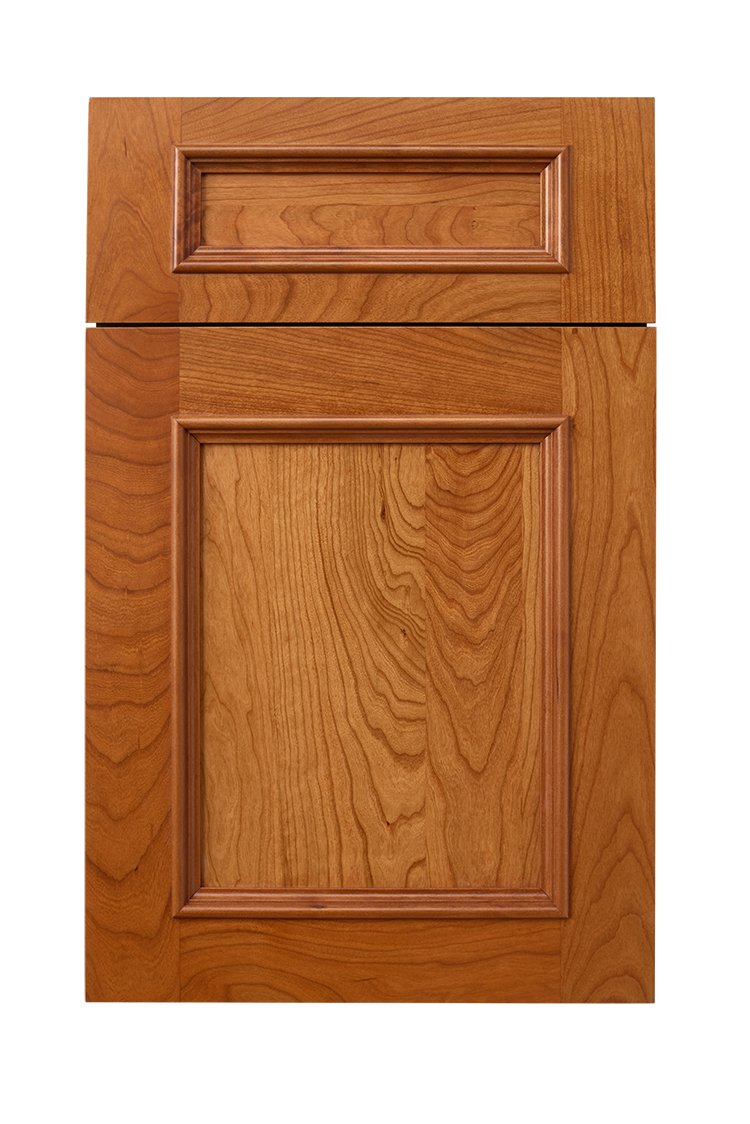
Townhouse
A more formal door designed to work with the traditional proportions and millwork found in older urban homes. Image Source: Airy Kitchens
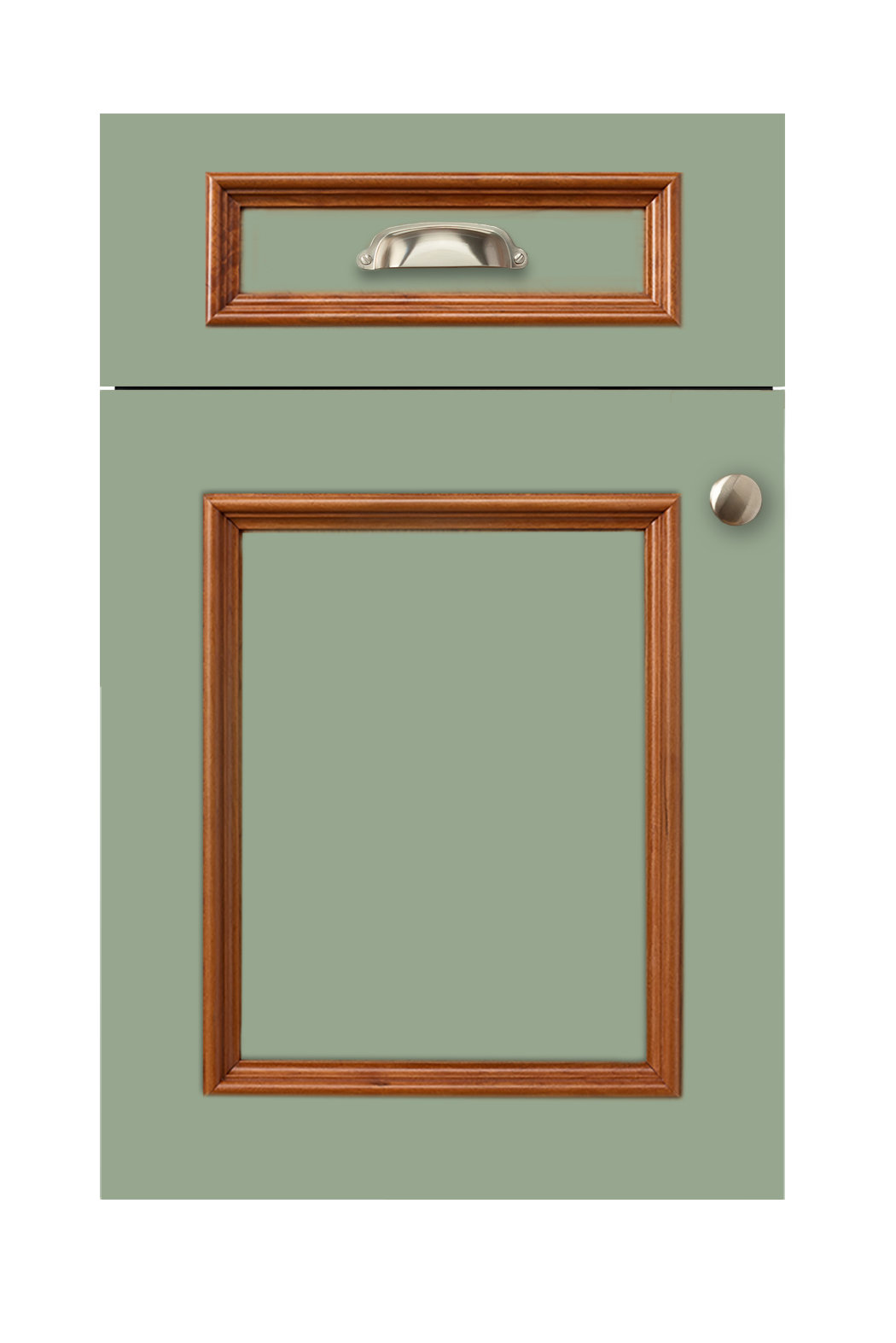
Painted Townhouse
This door can pair a paint color with stained wood moldings for more contrast. Image Source: Airy Kitchens
Greek Revival Cabinetry: Classical and Gilded Shapes
c. 1820–1860
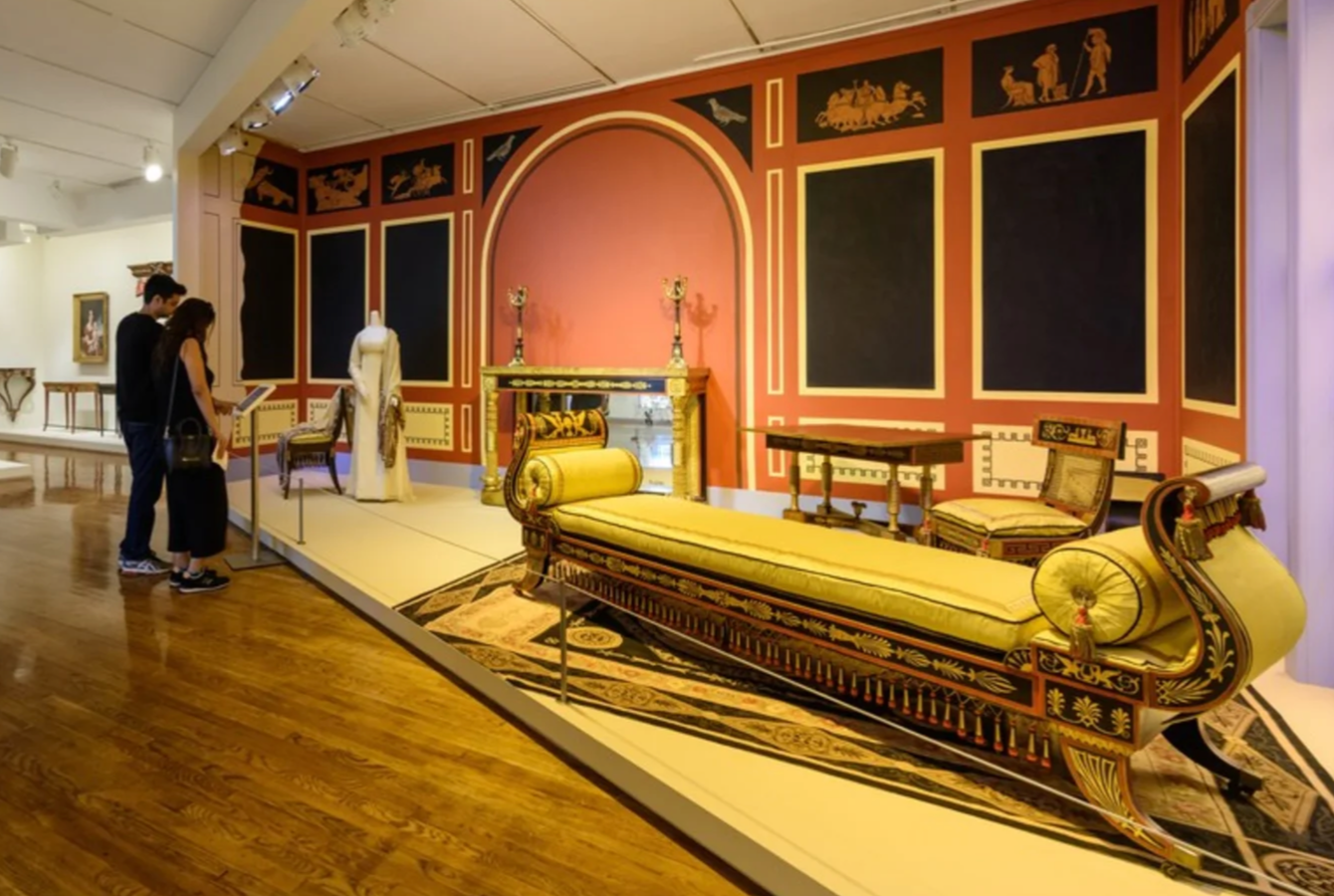
The drawing rooms of William and Mary Waln’s Philadelphia home, as seen in an exhibition at the Philadelphia Museum of Art, were designed by Benjamin Henry Latrobe. The original furniture suite features striking painted surfaces embellished with gilded classical motifs. Image Source
Greek Revival design drew on classical symmetry and clearly defined architectural forms. 19th-century decorative furniture and cabinetry explored details such as brass inlay and gilding.
In Philadelphia, Strawberry Mansion in Fairmount Park offers a local example of Greek Revival influence. Originally built in 1789, the house was expanded with Greek Revival wings in the 1820s. Those classical forms provide a useful reference when choosing cabinetry for historic interiors, where new details should complement the home’s existing architecture.
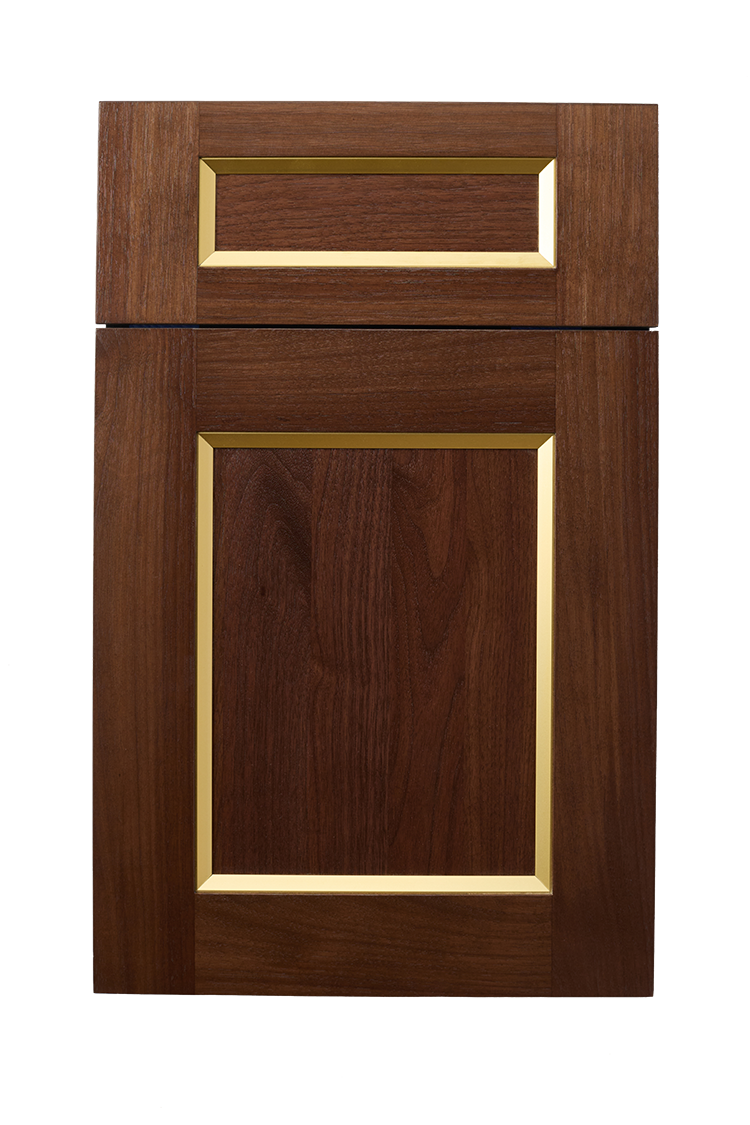
Brass Inlay
A thin line of brass is set into the cabinet door, adding just a little bit of shine and detail. Image Source: Airy Kitchens
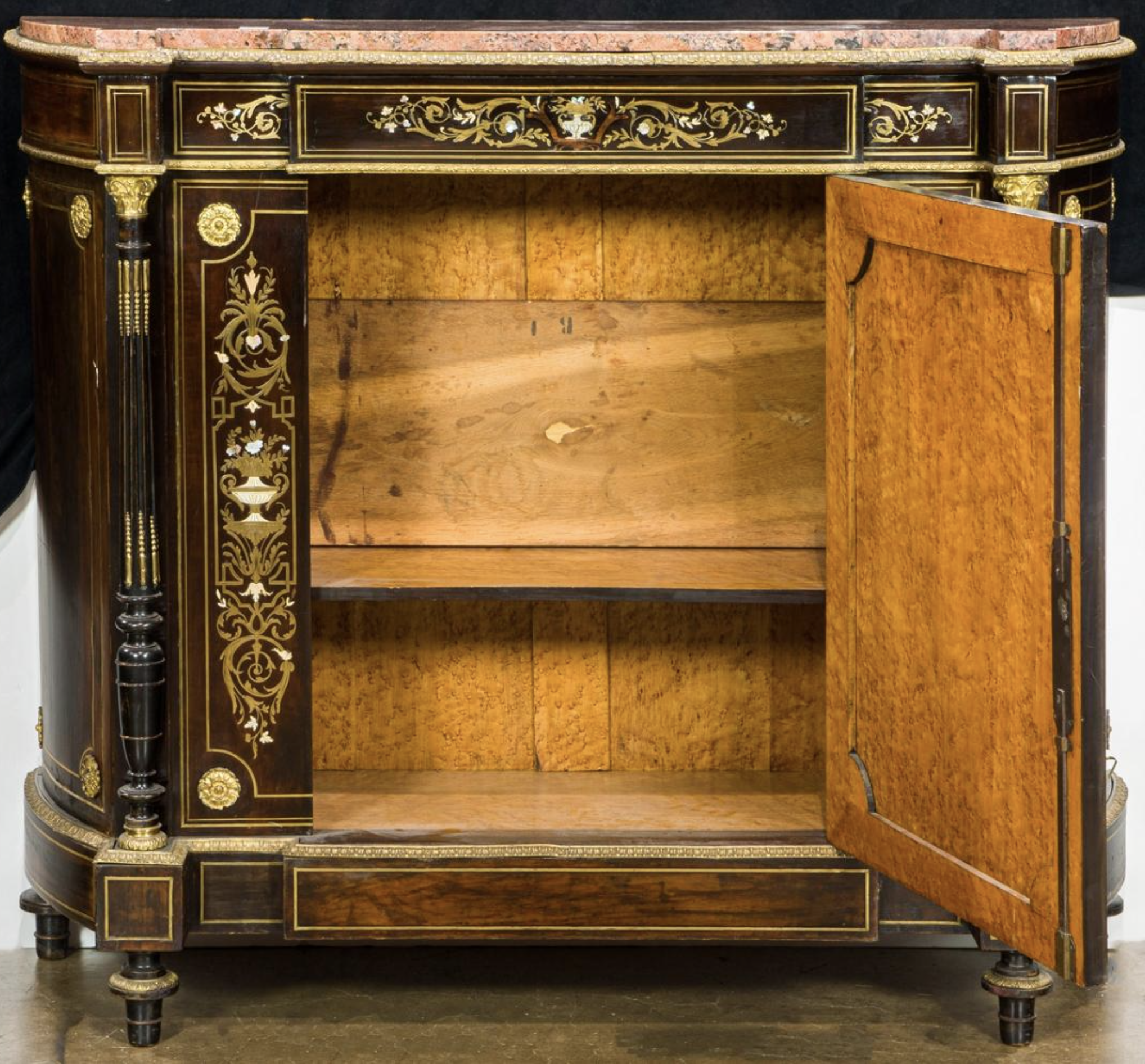
Victorian Cabinet Doors: Arches and Heavier Millwork
c. 1840–1900
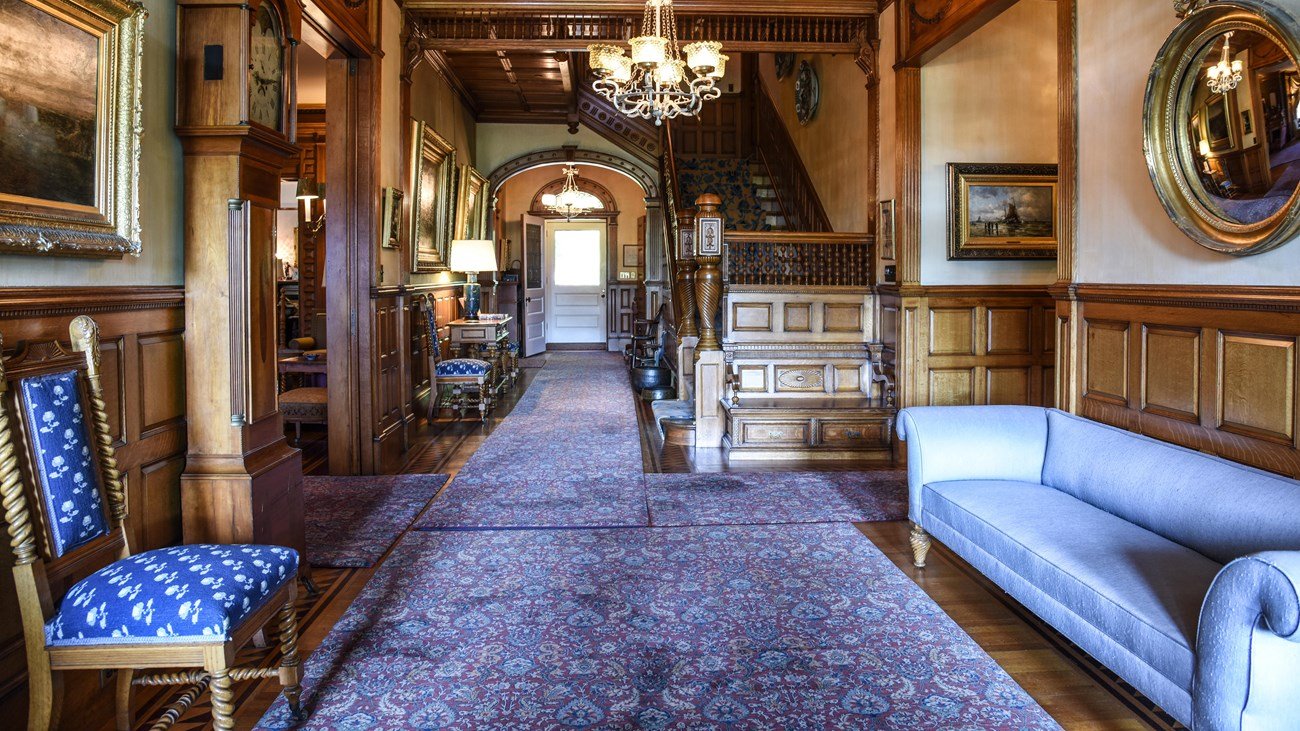
Victorian interiors varied widely in style, but many featured substantial moldings, layered trim, and decorative woodwork. These details gave rooms depth and character, with the level of ornament ranging from subtle paneling to elaborate carved profiles. Image Source
Victorian design embraced layered ornament, expressive forms, and richly detailed woodwork. Philadelphia offers a wealth of Victorian architectural references. The Ebenezer Maxwell Mansion in Germantown features period rooms that illustrate the era’s varied decorative styles and intricate woodwork.
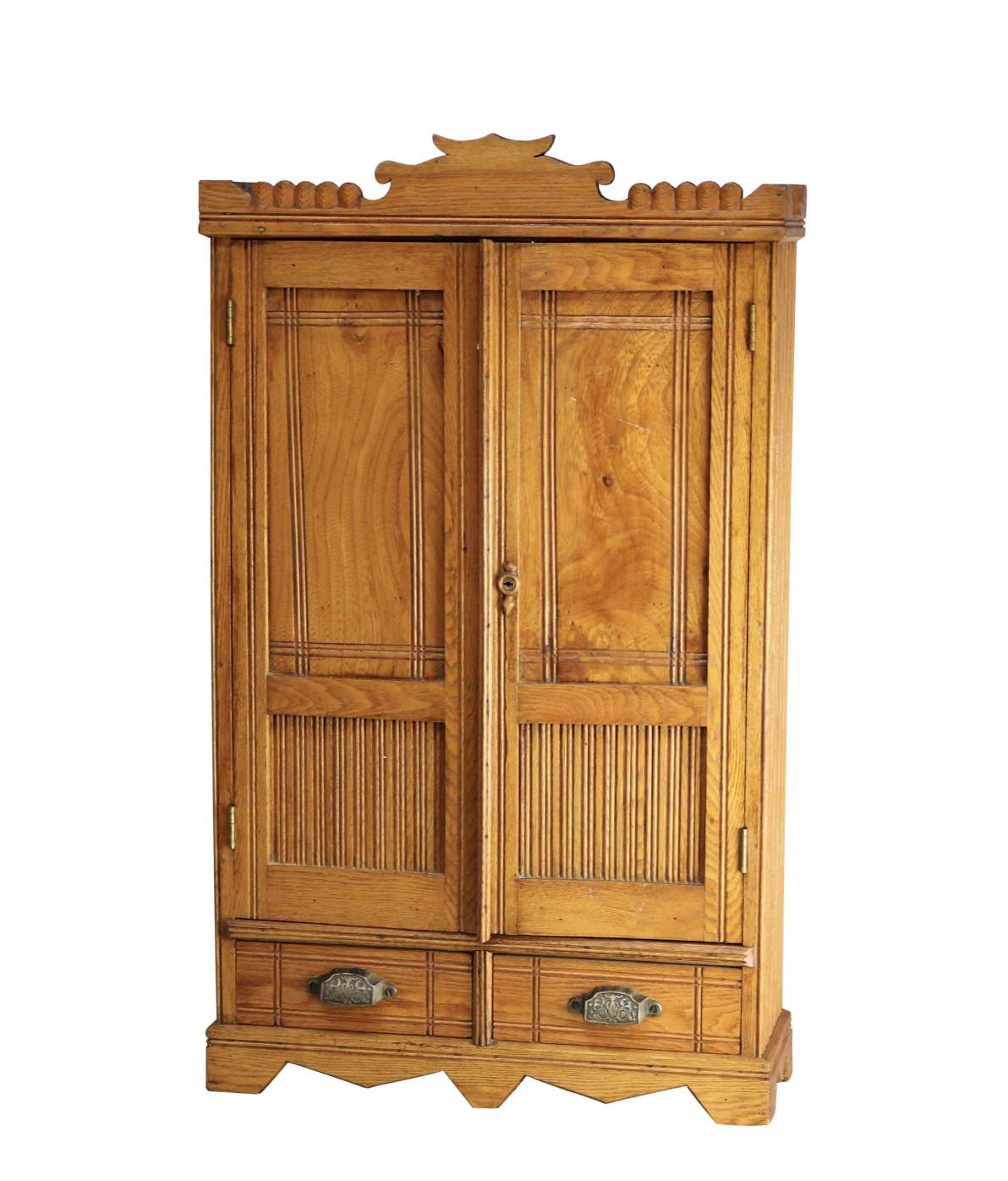
This medicine cabinet, dating to around 1900, offers an example of decorative storage furniture from the turn of the 20th century. Image Source
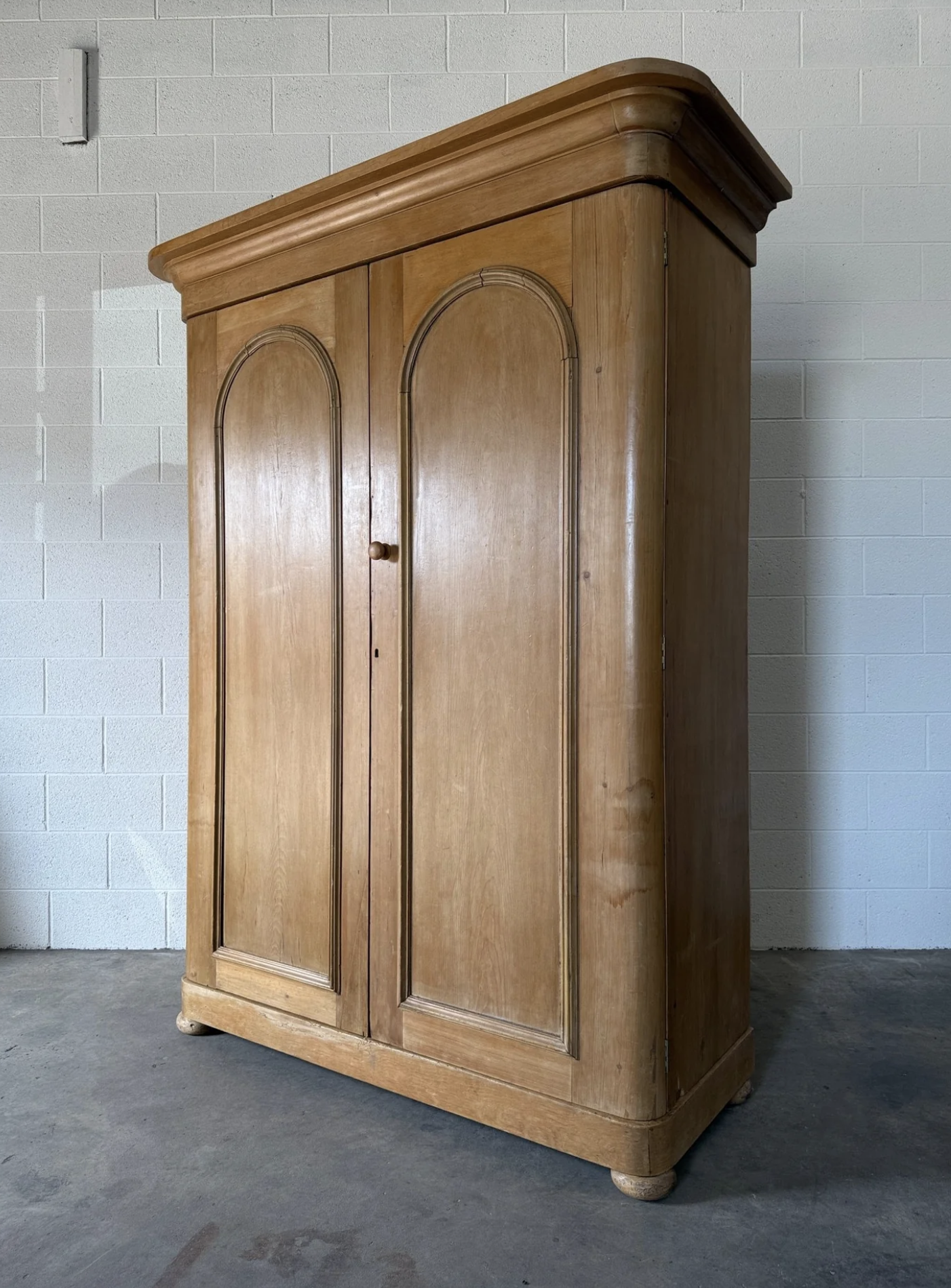
An antique English pine wardrobe with arched panel doors offers inspiration for Airy Kitchens’ Arched Shaker cabinet door. Image Source
A Contemporary Edit on Victorian Cabinetry
Victorian design offers inspiration for our cabinet doors with arched panels and decorative profiles. For a kitchen, the key is choosing which details to carry through. Heavier trim and elaborate ornament can feel overwhelming across an entire run of cabinets, while a shaped panel or a carefully proportioned profile brings in Victorian character without making the space feel too formal.
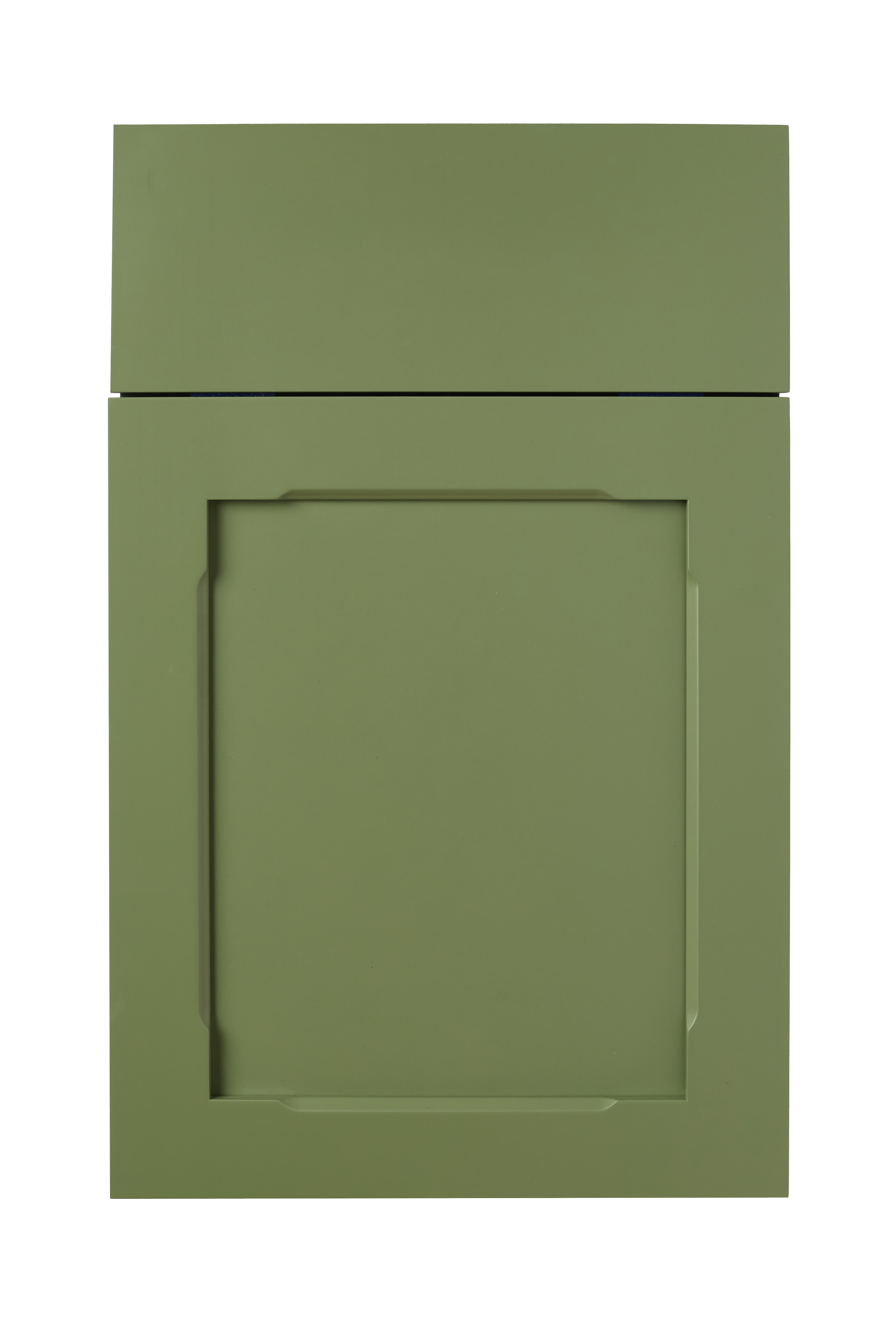
Woodworker's
A more furniture-like door with an emphasis on traditional woodworking details. Image Source: Airy Kitchens
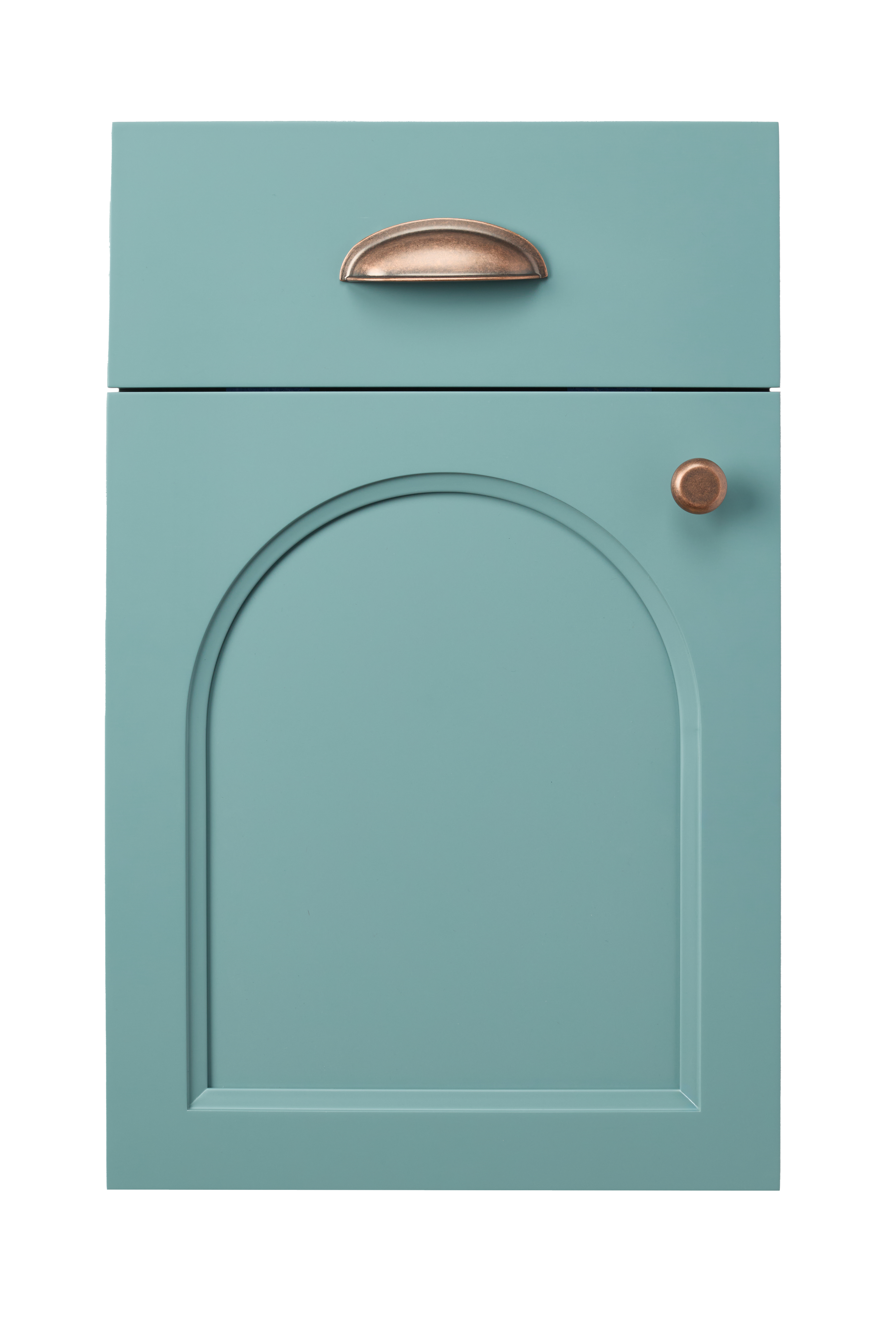
Arched Shaker
A Shaker door with an arched top, inspired by the arches found in traditional furniture and millwork. Image Source: Airy Kitchens
Shaker Cabinet Doors: Practical and Well Proportioned
c. 1790–1900
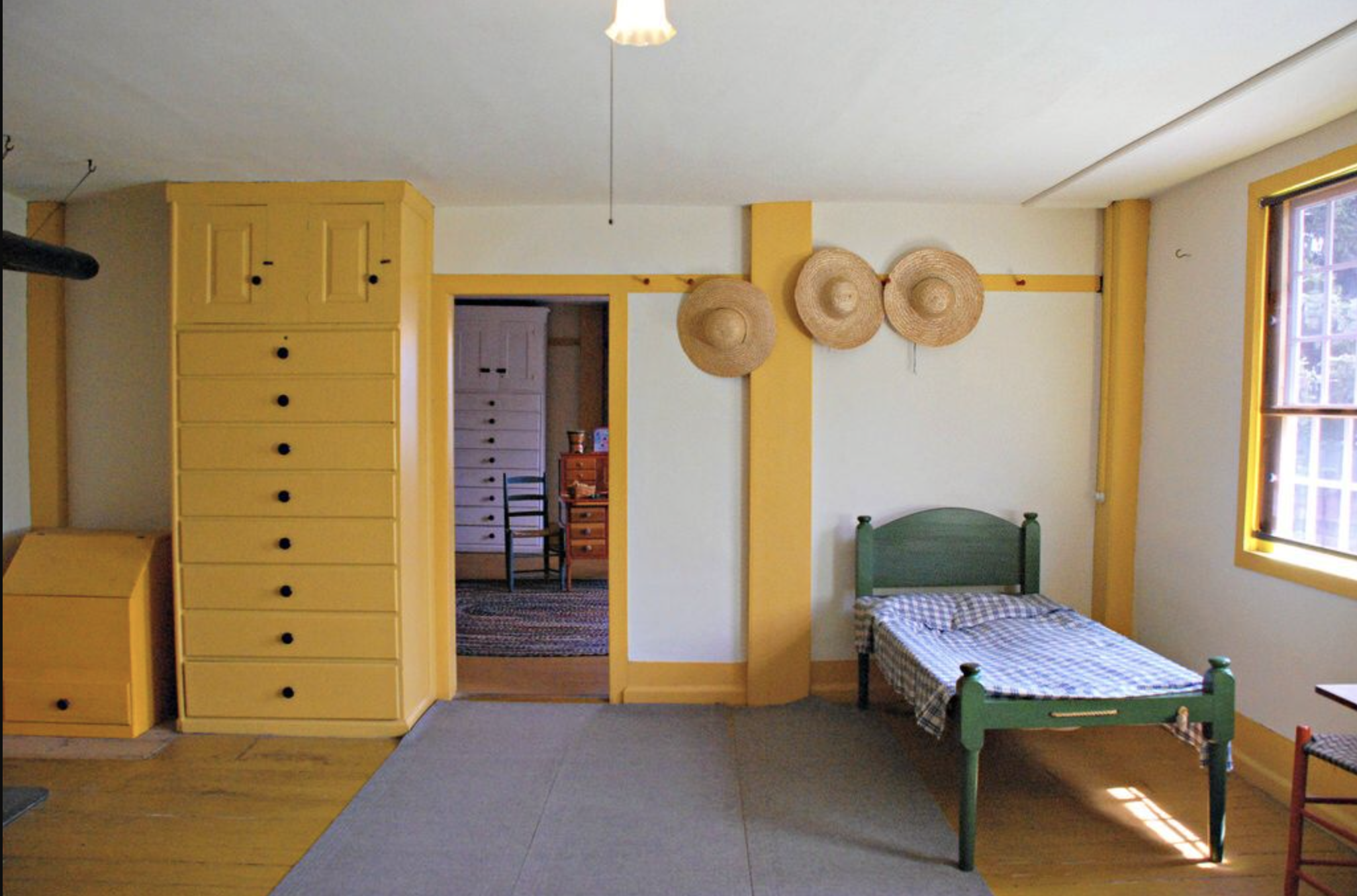
This bedroom at Hancock Shaker Village illustrates the Shaker approach to storage, where clean lines, simple forms, and thoughtful craftsmanship create a sense of quiet order. Image Source
Historic Shaker cupboards are simple, practical, and beautifully proportioned. Their doors typically feature a straightforward frame and flat panel, with very little decoration. Shaker communities developed furniture that reflected their religious commitment to simplicity, utility, and craftsmanship. Places like Hancock Shaker Village in Massachusetts and Canterbury Shaker Village in New Hampshire preserve original buildings, furniture, and objects that reflect the Shakers’ emphasis on function.
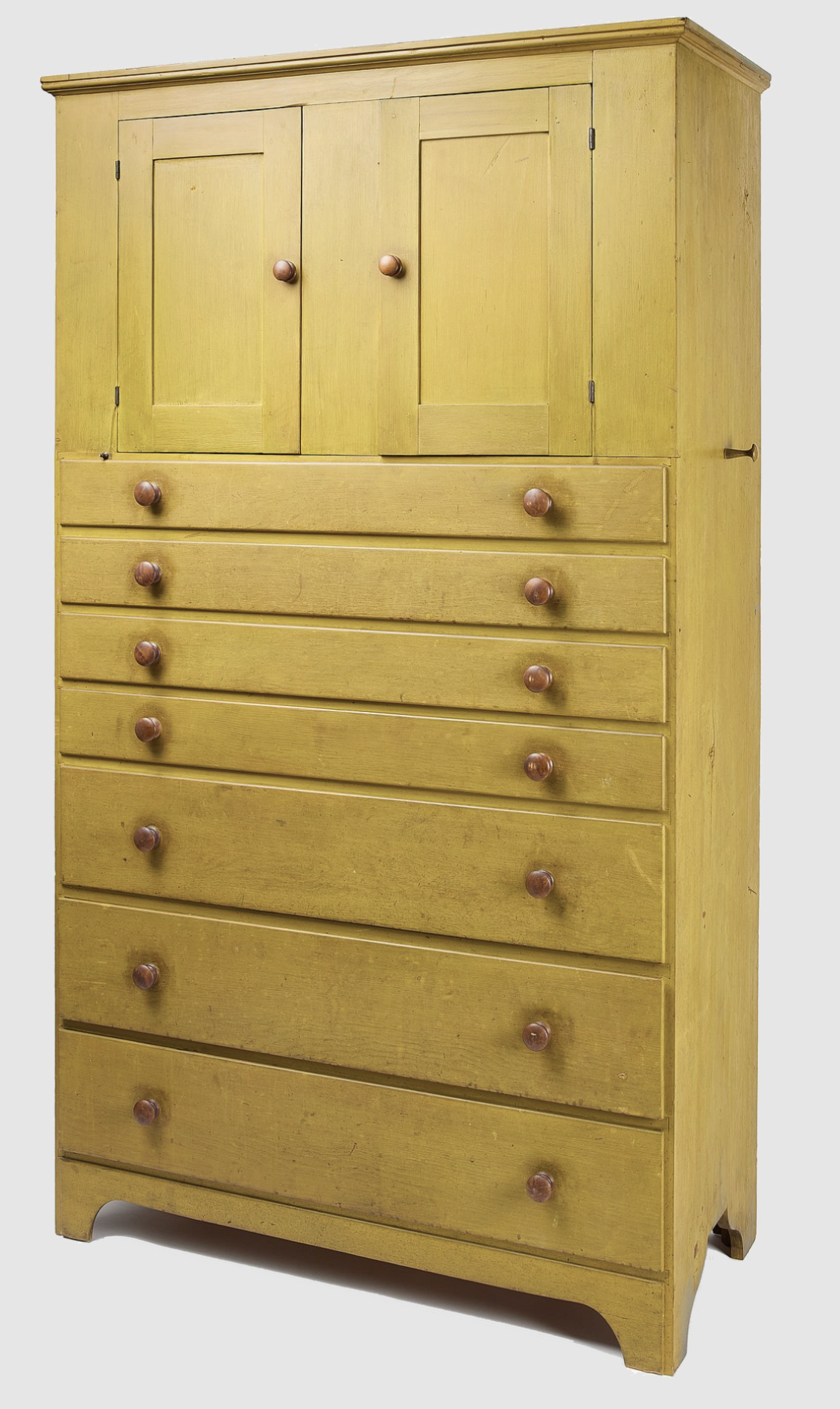
This Shaker cupboard has the original chrome yellow paint. Image Source
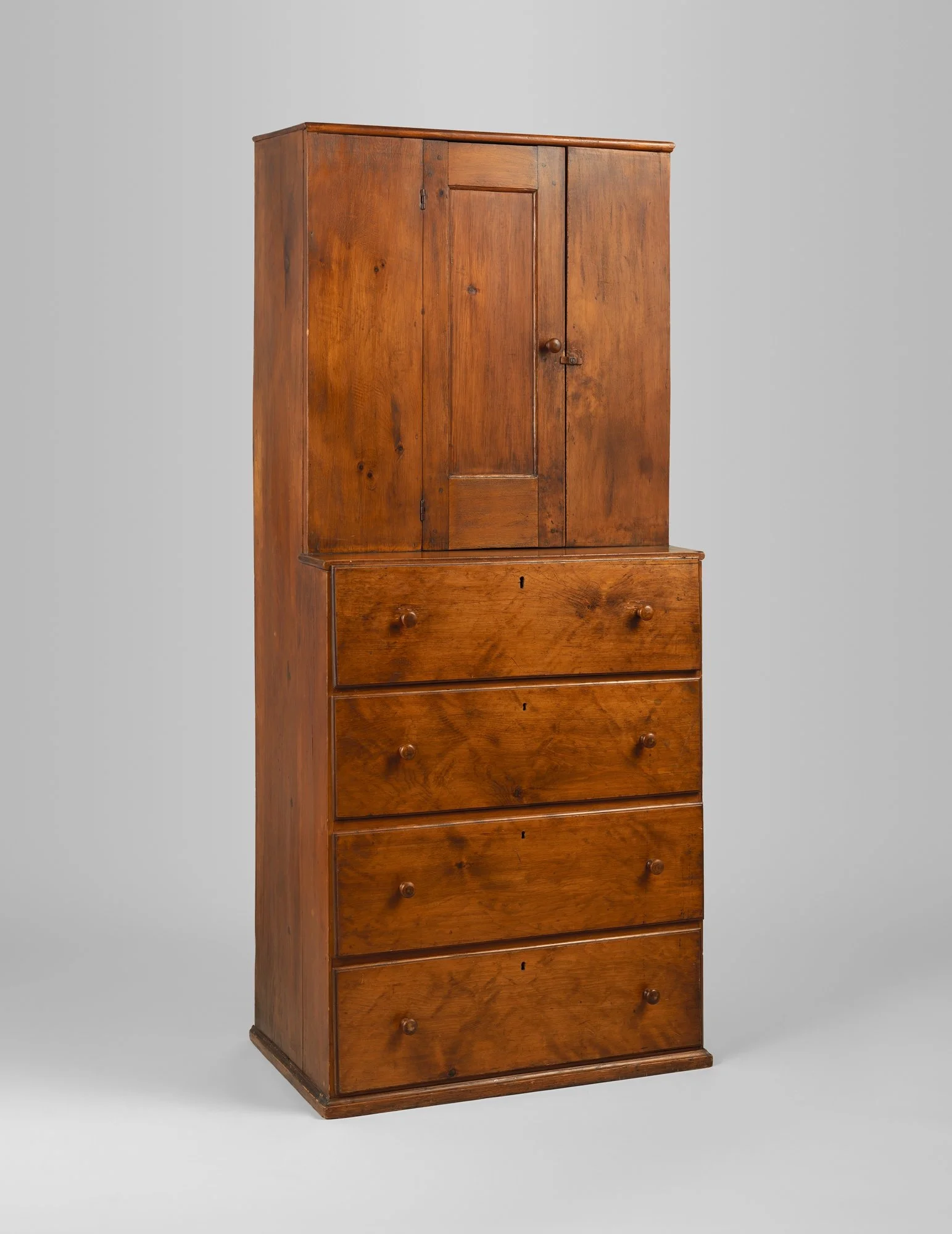
This hutch was designed with one central door on top and rows of drawers below. Image Source
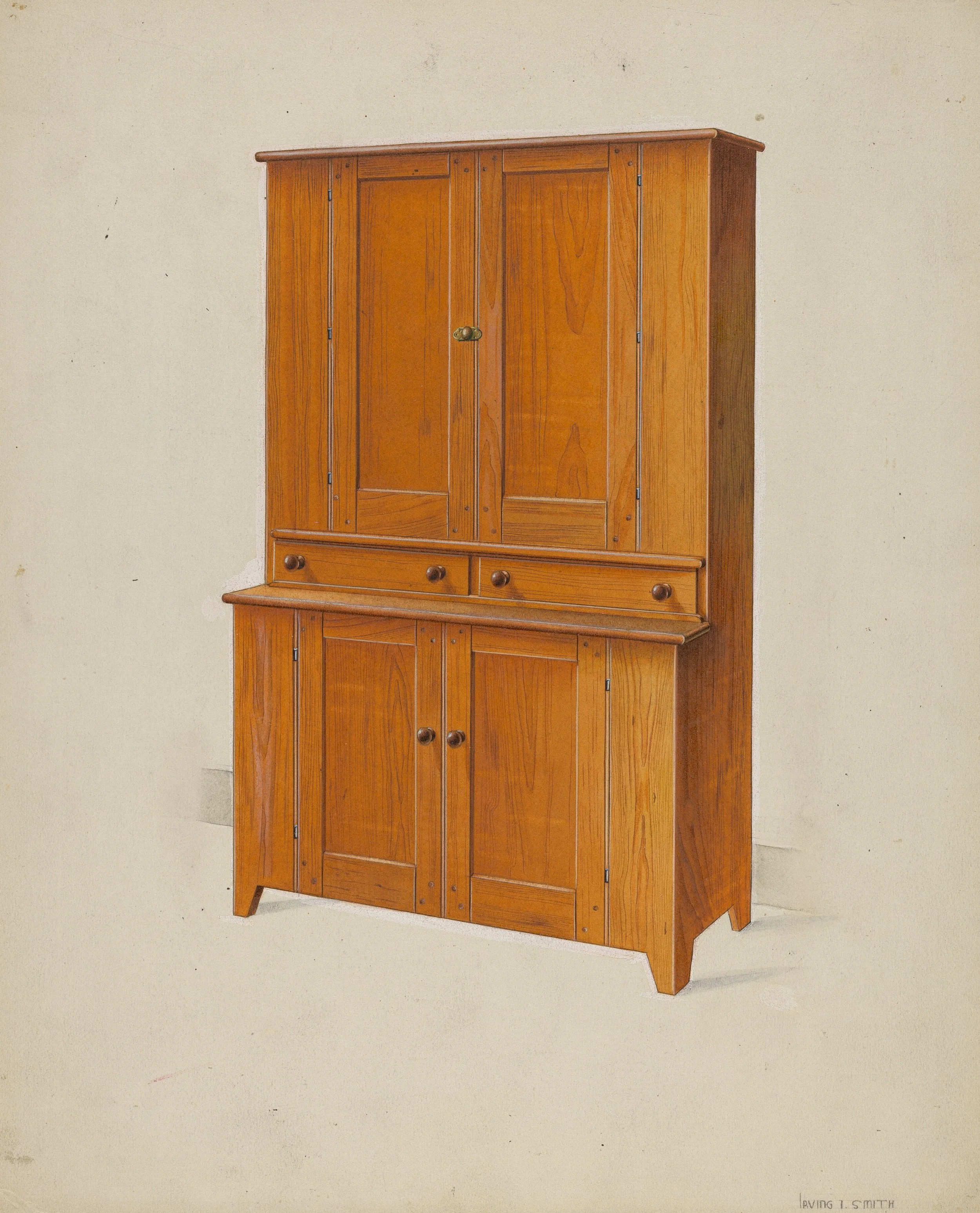
This piece, with two rows of doors and one row of drawers, feels simple and unified. Image Source
Our Shaker-Inspired Cabinetry
Today, Shaker cabinet doors remain a timeless choice, bringing understated character to homes ranging from historic farmhouses to contemporary interiors. Inspired by the Shaker tradition of simplicity and craftsmanship, we reinterpreted the classic profile with subtle refinements. Adjusted corners, delicate beading, and a narrower frame offer a fresh take on the traditional Shaker door, preserving its clean lines while introducing more detail and distinction.
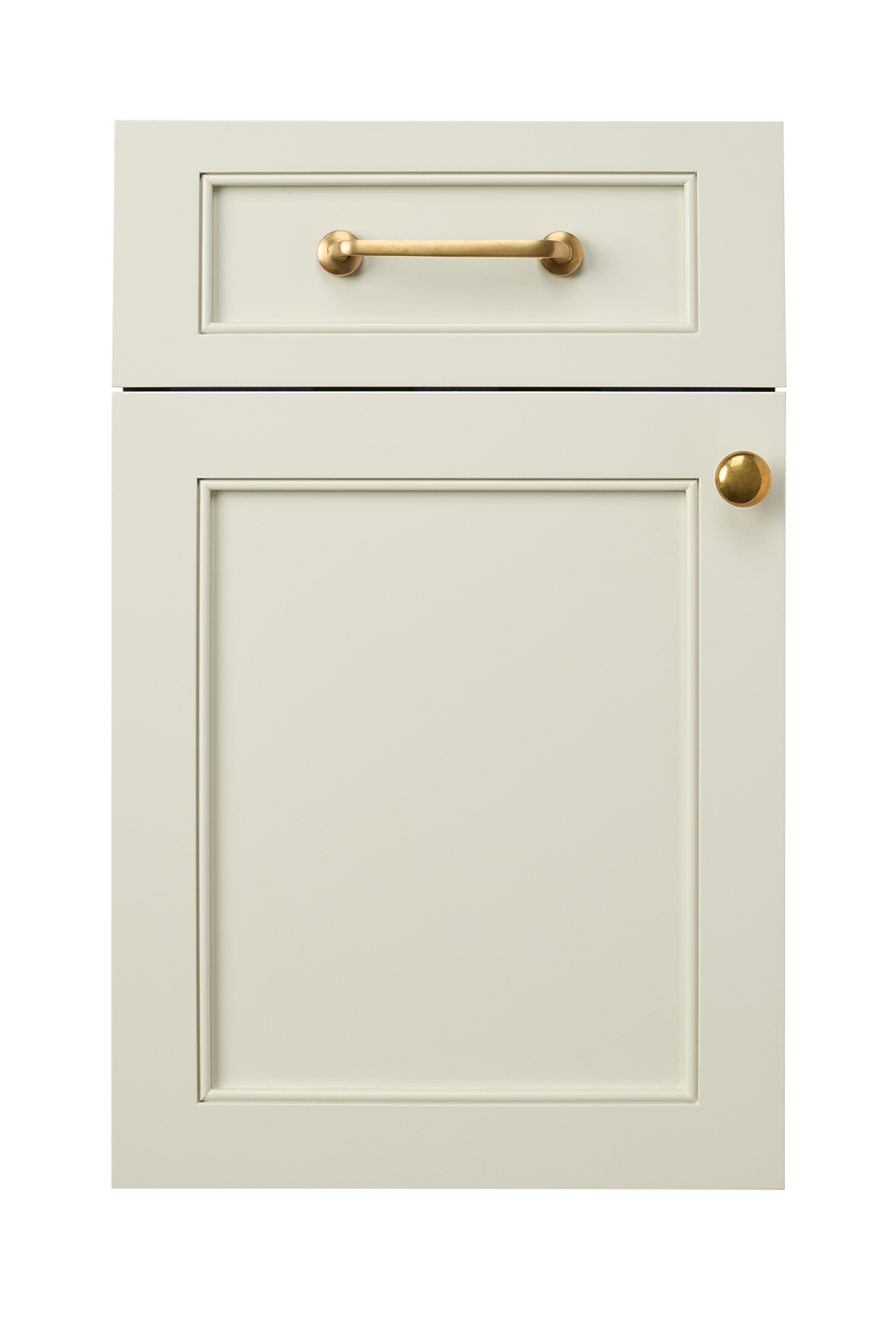
Beaded Shaker
A small bead is added around the inside edge of the frame, giving the door more detail and shadow. Image Source: Airy Kitchens
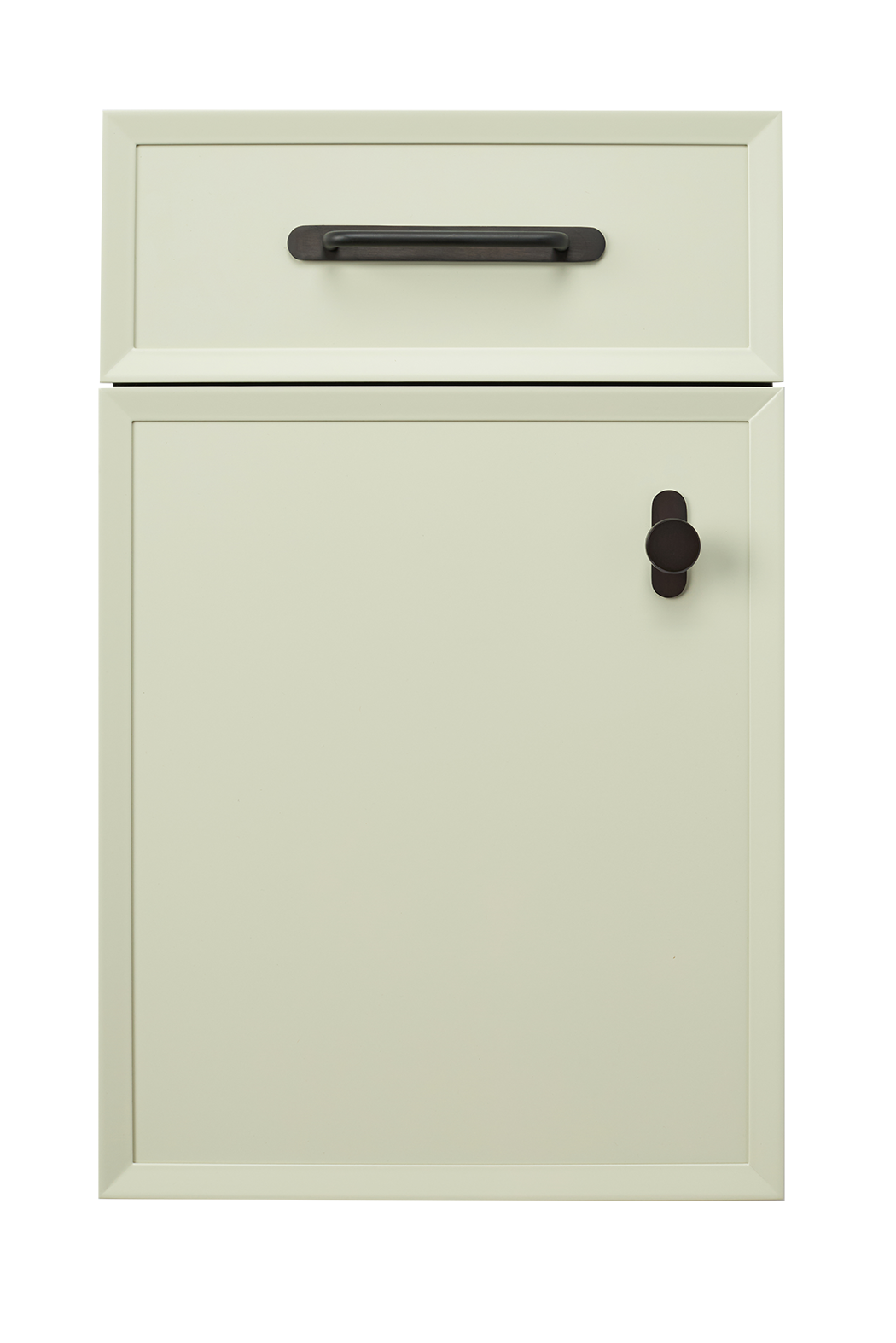
Slim Shaker
A narrower frame gives the door a lighter, more contemporary look while keeping the basic Shaker style. Image Source: Airy Kitchens
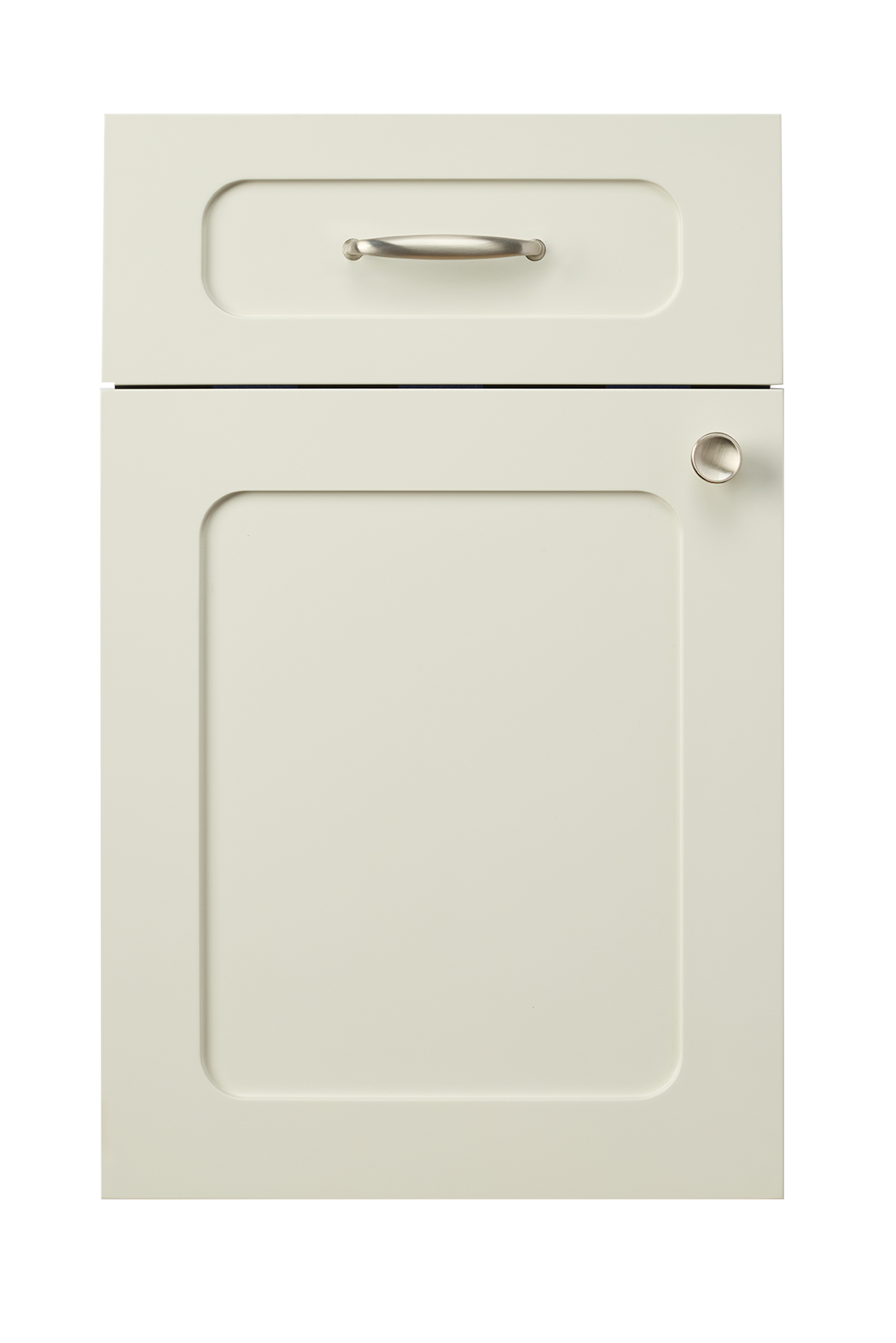
Rounded Corner Shaker
We softened the corners of the traditional Shaker frame to create something more relaxed. Image Source: Airy Kitchens
Beadboard Cabinet Doors: Texture for Historic Kitchens
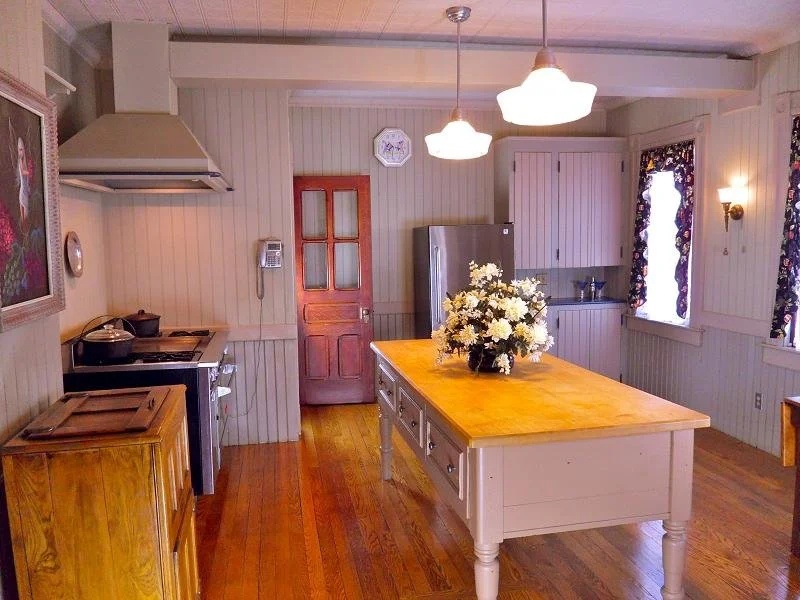
This example shows how beadboard was used as a durable, decorative surface in traditional homes. Image Source
Beadboard became a common feature in 19th-century homes, particularly during the Victorian era. Its narrow, grooved boards appeared in kitchens, pantries, hallways, mudrooms, and porch ceilings. Affordable and easy to maintain, it added texture without elaborate ornament, making it a practical choice for farmhouses, cabins, cottages, and beach houses. Our Beadboard Slab door features narrow boards and evenly spaced grooves.
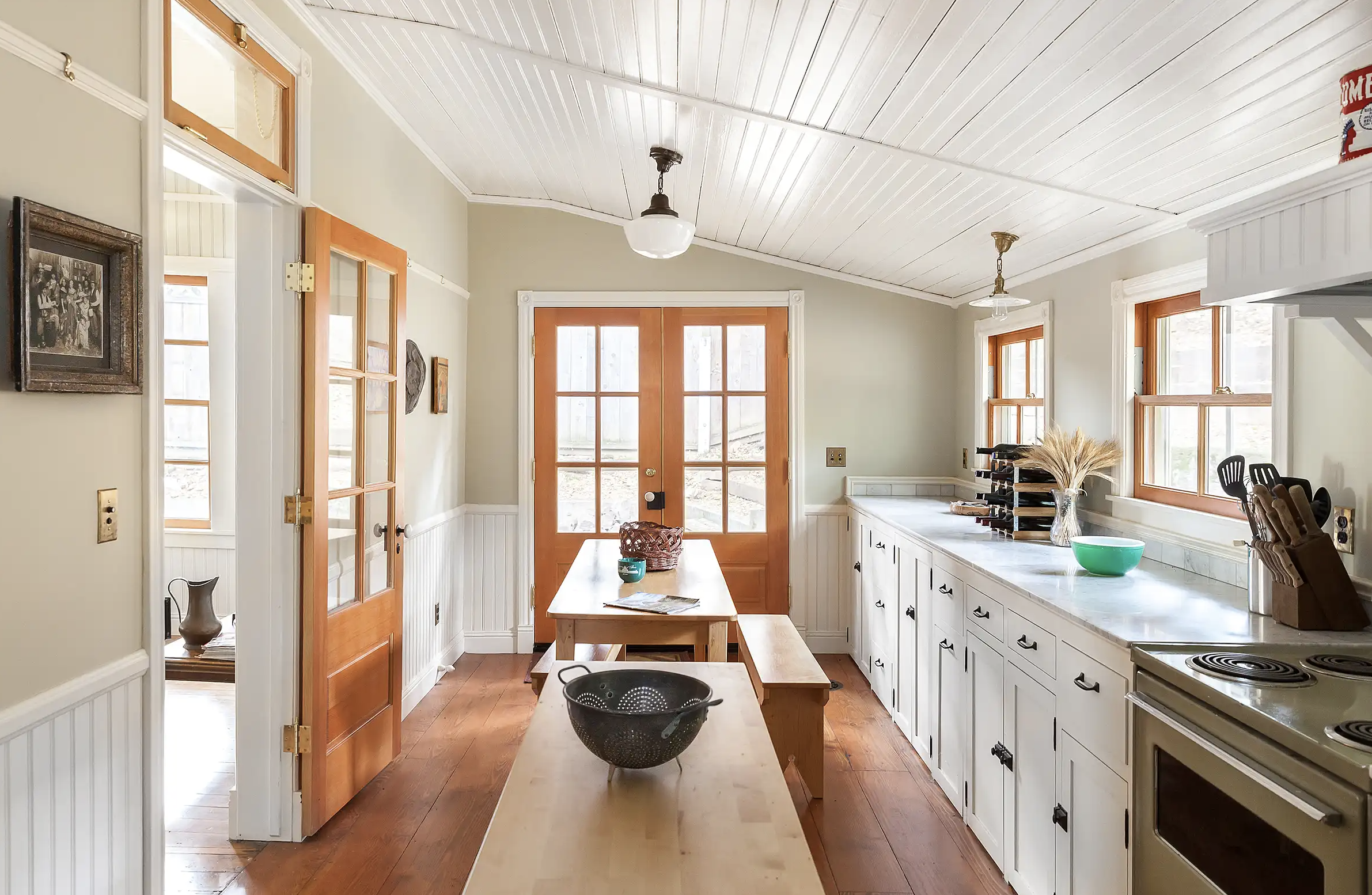
The restored original beadboard ceiling inspired the home’s interior design, bringing warmth, texture, and historic character while honoring the cabin’s 19th-century roots. Image Source
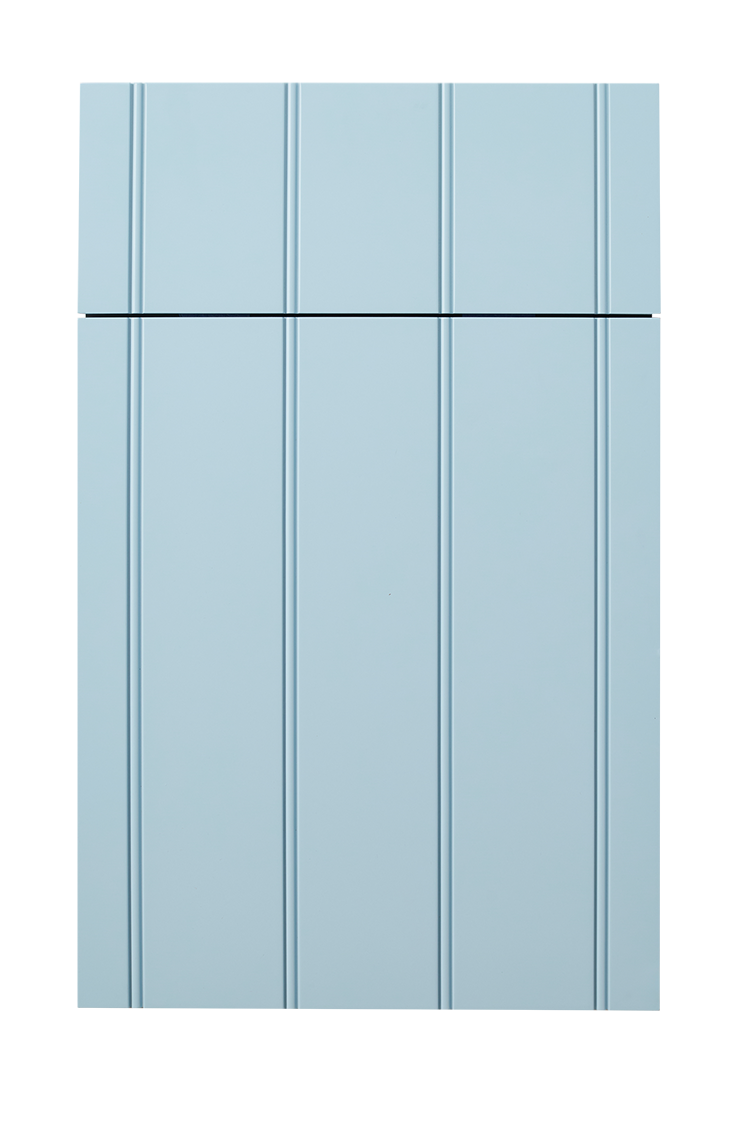
Beadboard Slab
A simple slab door with vertical beadboard detailing. Instead of putting beadboard inside a traditional cabinet frame, we made the beadboard itself the door. Image Source: Airy Kitchens
Vintage Vented Cabinetry
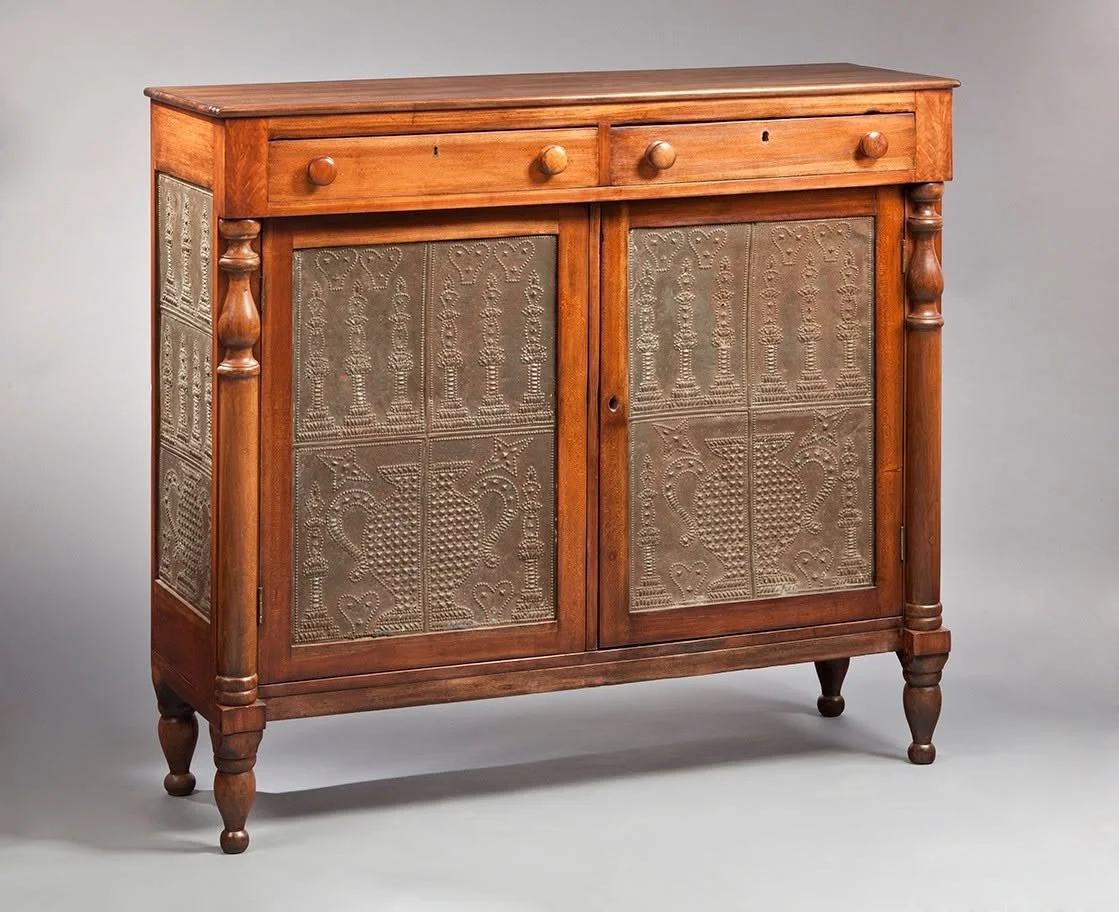
The intricate punched-tin panels of this 19th-century pie safe show how traditional cabinetry balanced practical and decorative elements. Image Source
Ventilated openings show up in many cupboards across a range of designs and periods. Some were highly detailed, like tin-punched pie safes. Others were simpler, with the geometry of the openings shaped by how much airflow the piece needed.
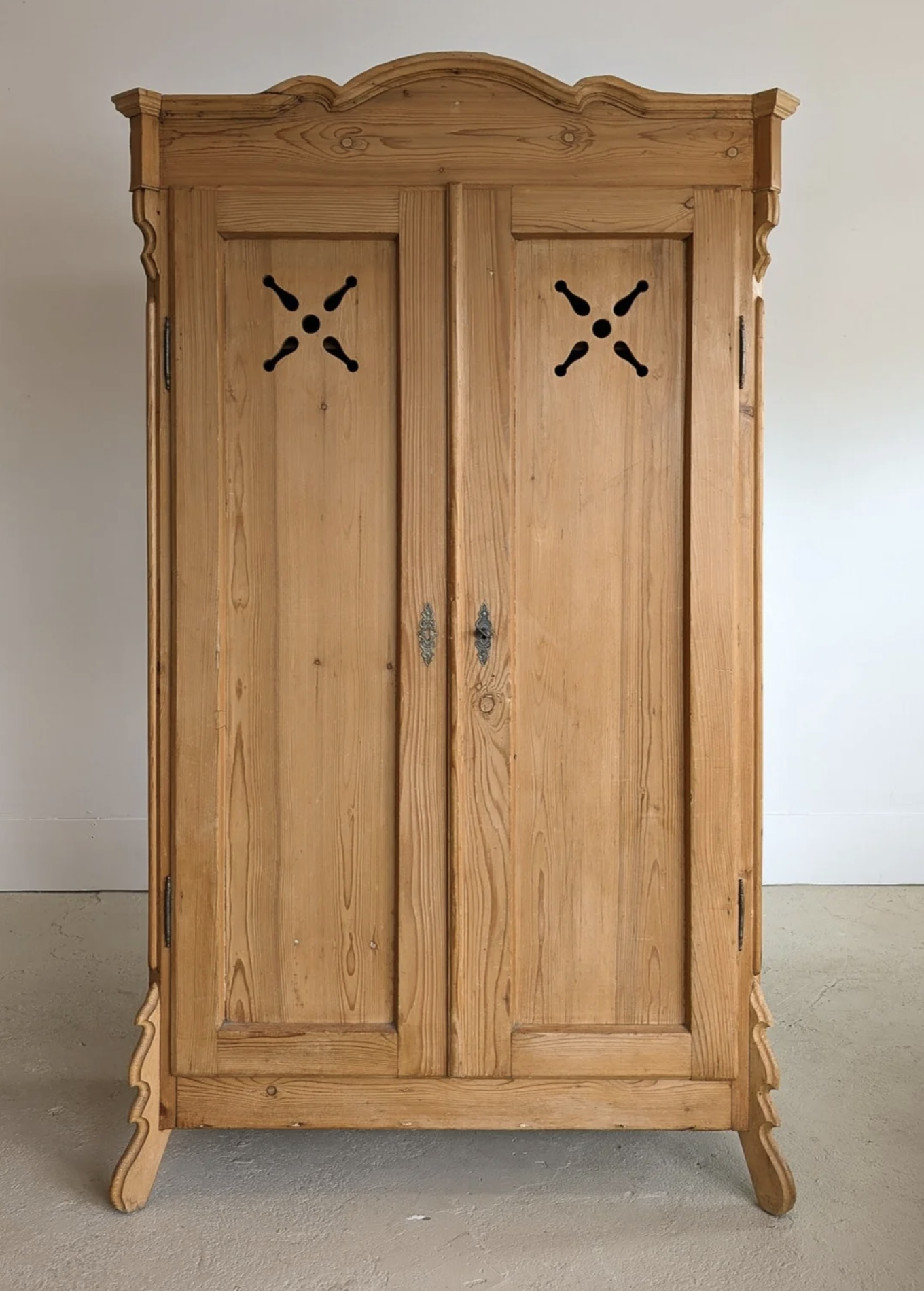
A 19th-century English pine cabinet that may have been used to store food, glassware, linens, or other household essentials. Image Source
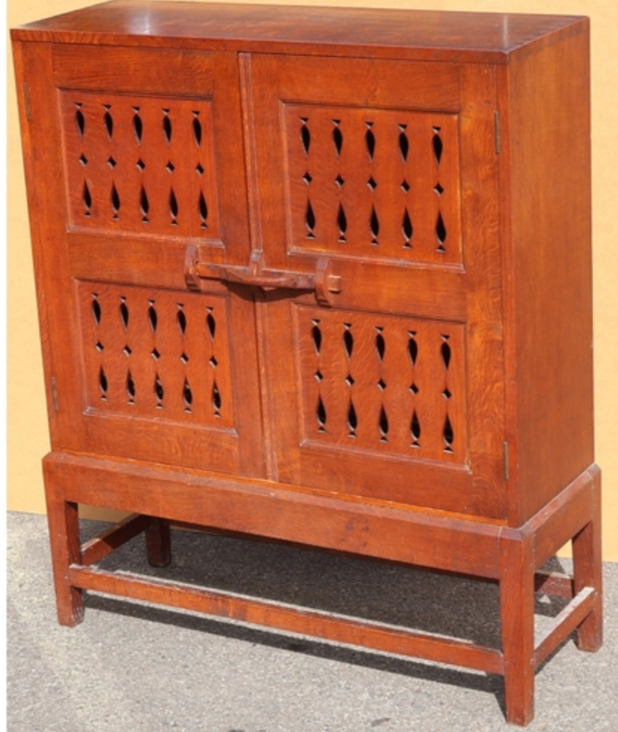
An antique oak cabinet with vented panel doors and a simple legged base was originally fitted with an interior shoe rack. Image Source
Airy Kitchens’ Cabinetry with Cut Outs
We love that vented openings offer utility and create beautiful patterns. For our interpretations, each pattern adds a quiet, rhythmic touch to the door.
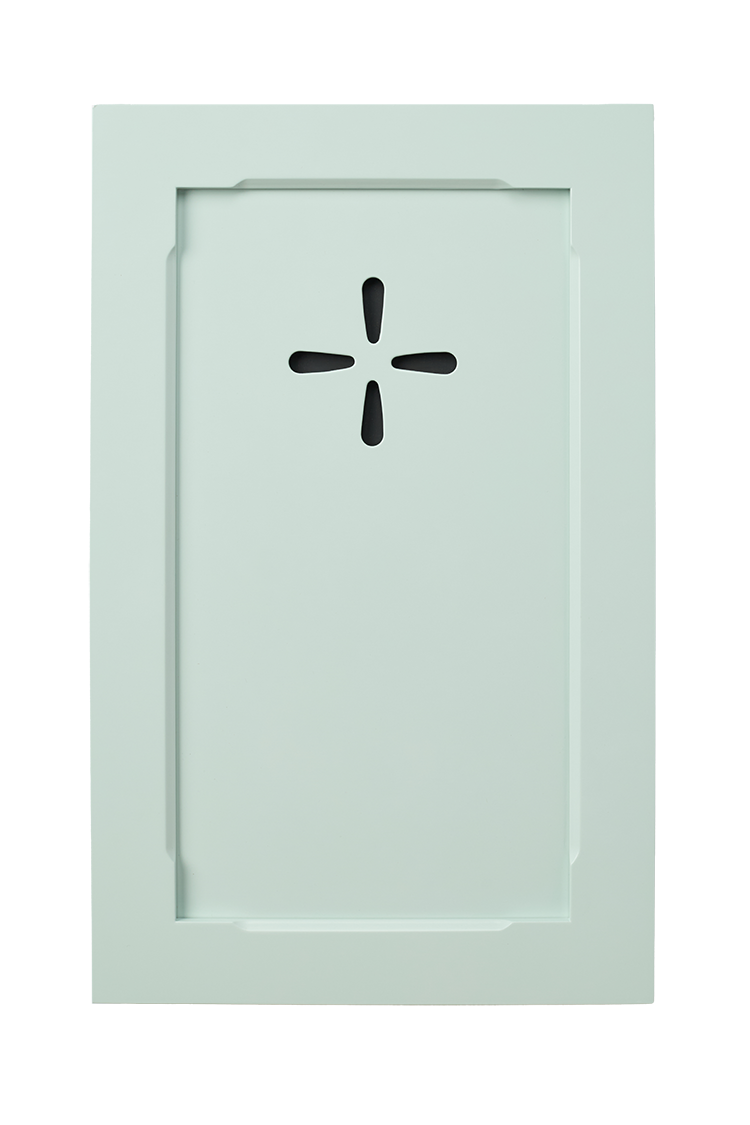
Cut Out 1 on the Woodworker’s Door
A decorative opening pattern gives modern cabinetry a detail reminiscent of historic furniture. Image Source: Airy Kitchens
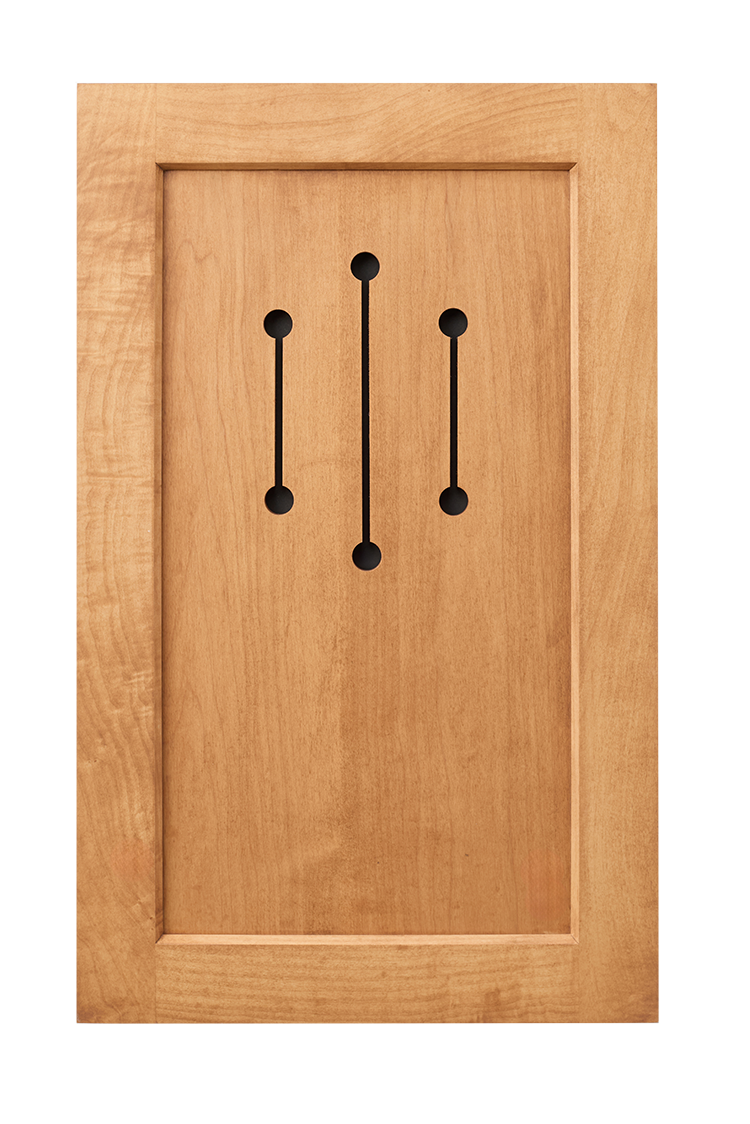
Cut Out 2 on the Shaker Door
This second opening pattern can be added to most custom door styles. Image Source: Airy Kitchens
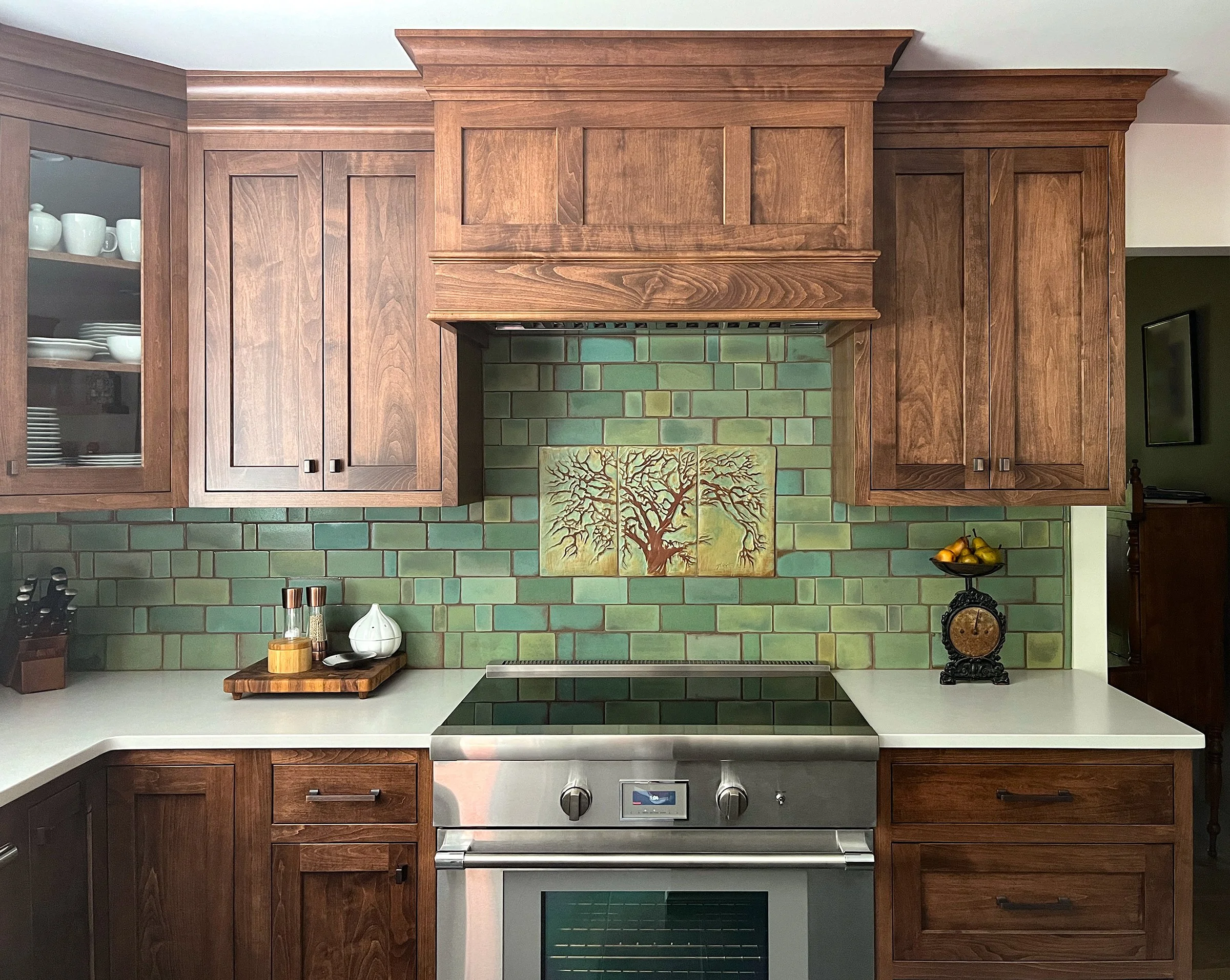
This Philadelphia craftsman kitchen pairs warm, wood-stained Shaker cabinetry with tile in a mix of glaze colors, giving the space a custom look that suits the home’s character. Image Source: Craftsman Kitchen Tips by Airy Kitchens
Comparing Architectural Styles
Raised Panel
Shaker Door
| Style | Dates | Panels and moldings | Residential examples |
|---|---|---|---|
| Colonial | c. 1700–1780 | Raised panels, deep moldings and carved wood details. | Powel House, Philadelphia |
| Federal | c. 1780–1830 | Shallow panels, slender moldings and delicate beading. | Hill-Physick House, Philadelphia |
| Greek Revival | c. 1820–1860 | Flat panels, broad trim and simple classical details. | Strawberry Mansion, Philadelphia |
| Victorian | c. 1840–1900 | Ornate panels, layered moldings and decorative millwork. | Ebenezer Maxwell Mansion, Philadelphia |
| Shaker | c. 1790–1900 | Plain recessed panels, simple trim, clean lines and minimal ornament. | Hancock Shaker Village, Massachusetts (outside Philadelphia) |
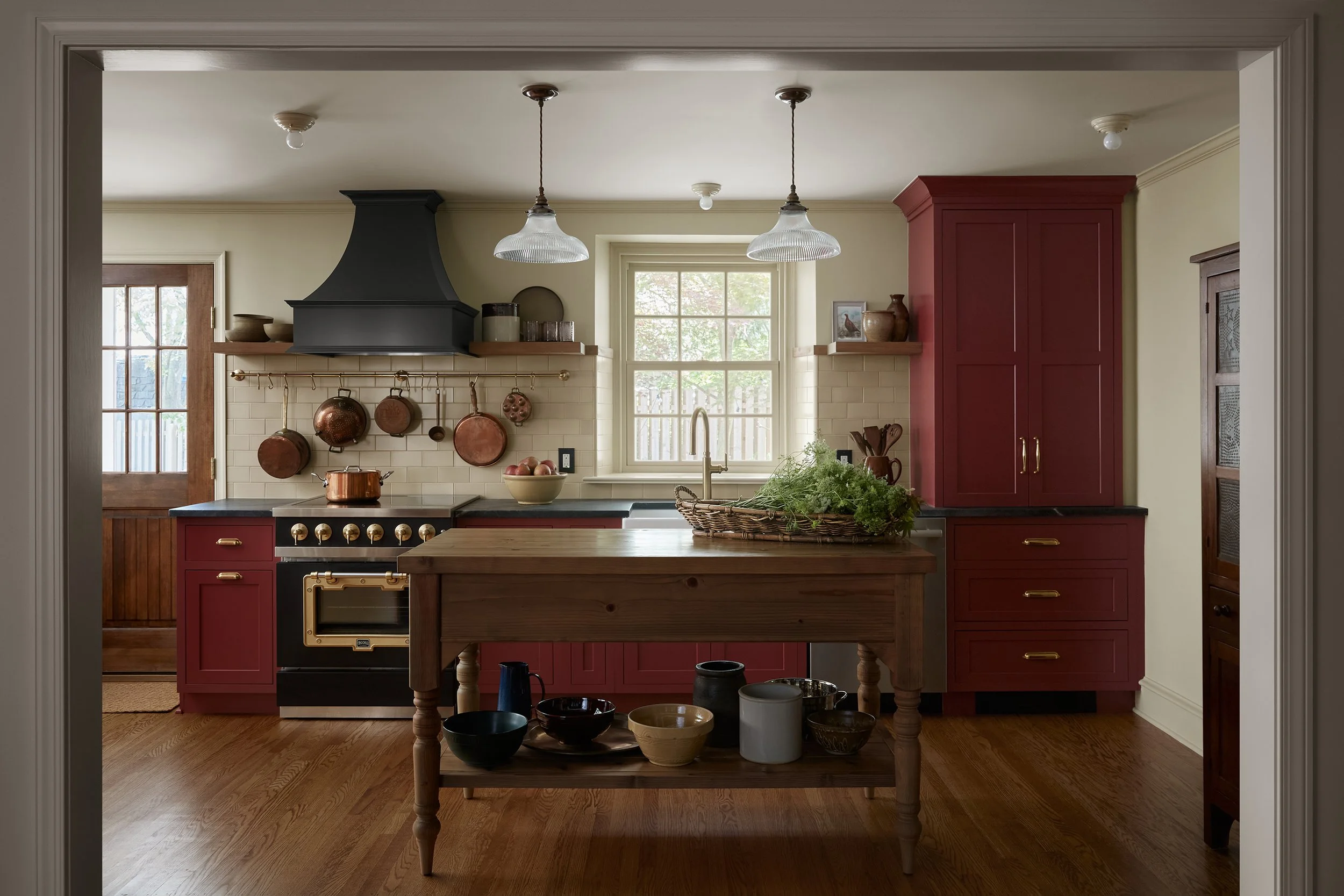
Shaker cabinetry in a custom paint color gives this kitchen a quaint cottage feel. Image Source: Glenside Cottage Kitchen by Airy Kitchens
FAQ
-
Start with the details that remain in the house, including interior doors, trim, baseboards, stair parts, built-ins, and original flooring. Look at the proportions and profiles of the woodwork and consider whether the overall character is formal, understated, or highly decorative. Choose cabinet doors that relate to those details while supporting the way you want to use the space. You do not need to identify your home's exact architectural period to begin exploring suitable options.
-
Consider the scale of the rooms, the character of the original millwork, and the materials already present. Cabinet door profiles, frame widths, hardware, and finishes all influence how new cabinetry relates to an older interior. You can also take inspiration from historically appropriate exterior details.
-
Yes. Traditional cabinet doors can add warmth, depth, and character to a contemporary interior. Raised panels or decorative profiles can introduce a more classic element, while Shaker doors offer a simpler way to incorporate traditional proportions.
Pairing a historic-inspired door styles with contemporary colors, hardware, lighting, or countertops can create a balanced result. The goal is to choose details that work together.
-
Shaker doors have a simple, flat center panel surrounded by a straightforward frame. Raised-panel doors have a center panel that sits higher than the frame, creating more depth, shadow and traditional detail. The difference is especially noticeable in profile: Shaker feels clean and architectural, while raised panel has more dimension and ornament.
-
Be sure to send any photographs of your kitchen and any distinctive architectural details, such as original doors, trim, built-ins, flooring, or surviving cabinetry.
Inspiration images, a list of practical needs, and an outline of what you hope to change are also helpful. If you know when your home was built or have information about its architectural style, share that too. These details help establish a direction for the design, even if you are still deciding between several styles.
During the home consultation, our team takes detailed photos and measurements.
-
Yes. Airy Kitchens can help you explore cabinet door styles and consider how they relate to your home's architecture, your design preferences, and the needs of your space. Photographs of your existing woodwork, examples of cabinetry you like, and any information you have about the home's history can provide a useful starting point. You do not need to arrive with a finished design or know the exact architectural style. Contact our team to discuss your project and determine the next steps.
-
Absolutely. A historic home does not need to reproduce every original detail to feel authentic.
The key is to preserve the features that give the home its identity while using thoughtful proportions, materials, and finishes to connect old and new. A restrained design can respect the architecture without making the interior feel like a period reproduction.
-
Yes. Shaker cabinet doors can create a thoughtful contrast with any intricate woodwork and ornate details found in many Victorian homes. To make the combination feel cohesive, consider complementary finishes and proportions that relate to the surrounding architecture. You can preserve the home's character without reproducing every historical detail in the kitchen.
-
Colonial and Federal styles share a foundation in early American design, but Federal interiors generally favor more refined proportions, symmetry, and delicate classical details. Colonial-inspired cabinetry can accommodate heavier frames and deeper molding profiles, while Federal-inspired designs often benefit from narrower frames and more restrained detailing. These are design references rather than rigid rules, so the home's surviving woodwork is often the best guide.
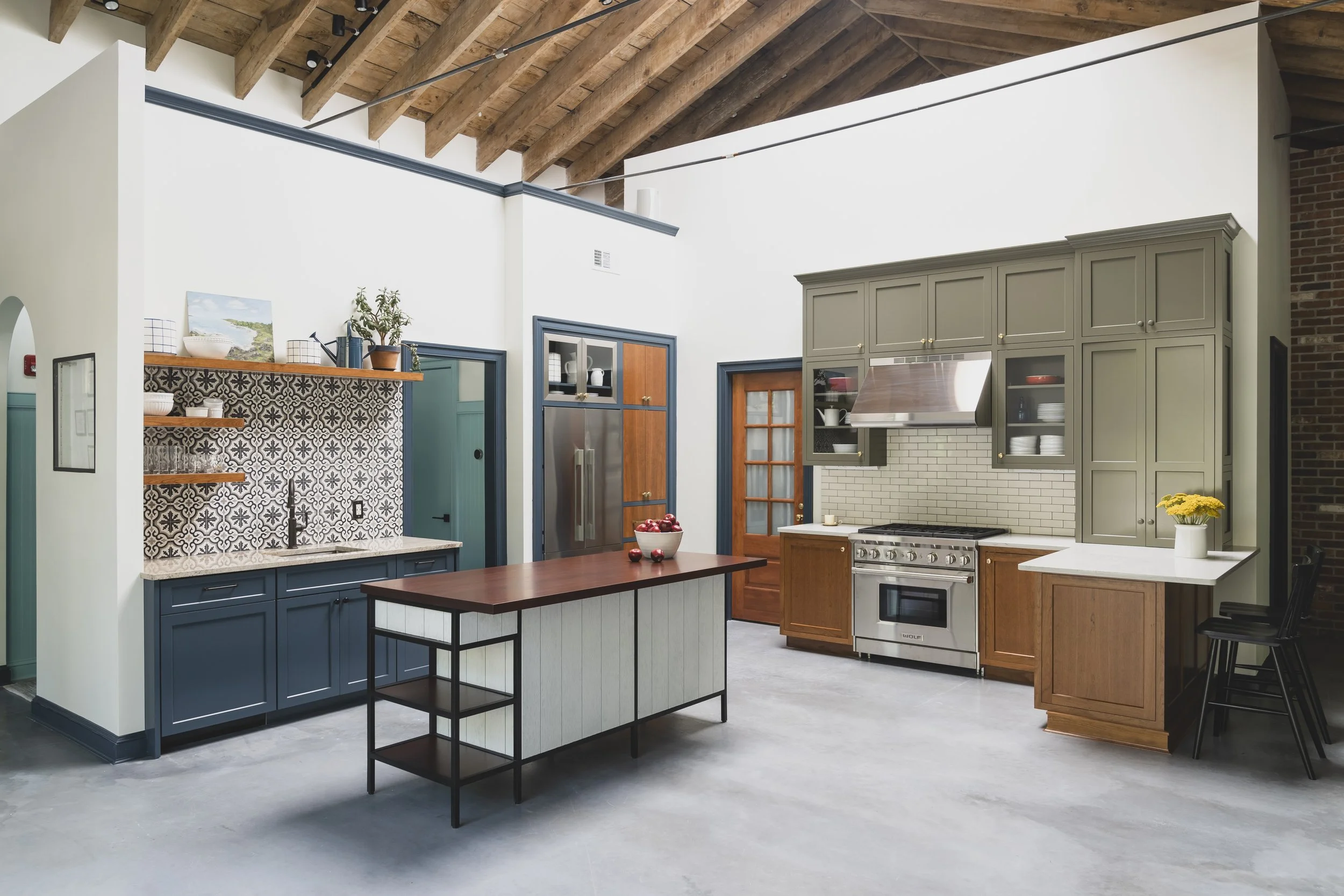
Visit Our Philadelphia Showroom
Visit our showroom to see the new collection up close and talk with our team about historic detailing for your home. Every historic home presents its own challenges, and the payoff is just as unique.
