
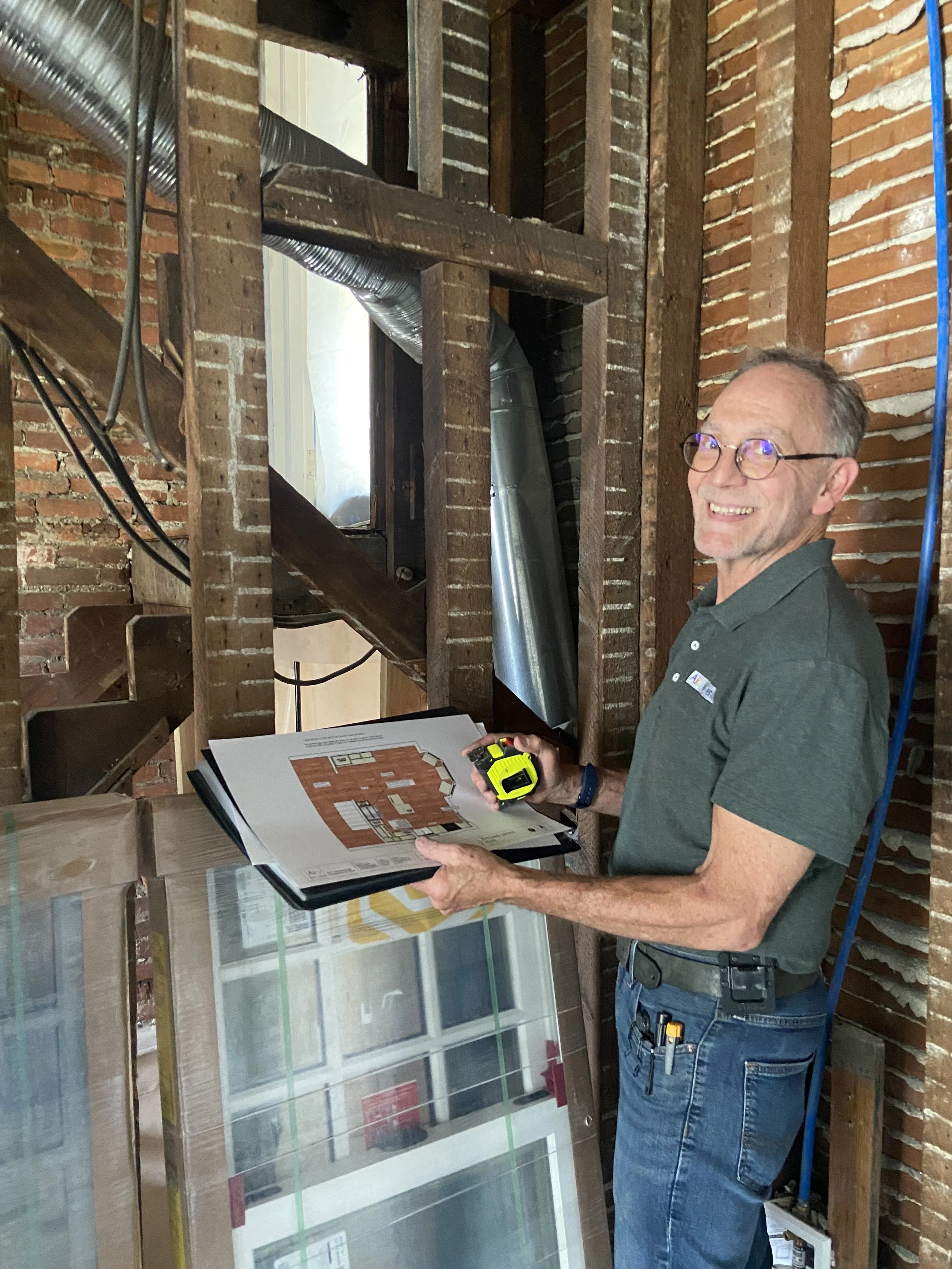
Q&A with Jack Caspar, Senior Project Manager, Airy Kitchens
Jack Caspar has spent decades keeping Philadelphia-area kitchen, bath, and whole home renovations on track. He coordinates contractors, protects the design intent, and catches problems before they become delays.
What Is a Project Manager’s Role?
A project manager oversees the construction process by coordinating contractors, communicating with homeowners, and ensuring the design is built as intended while navigating the realities of construction.
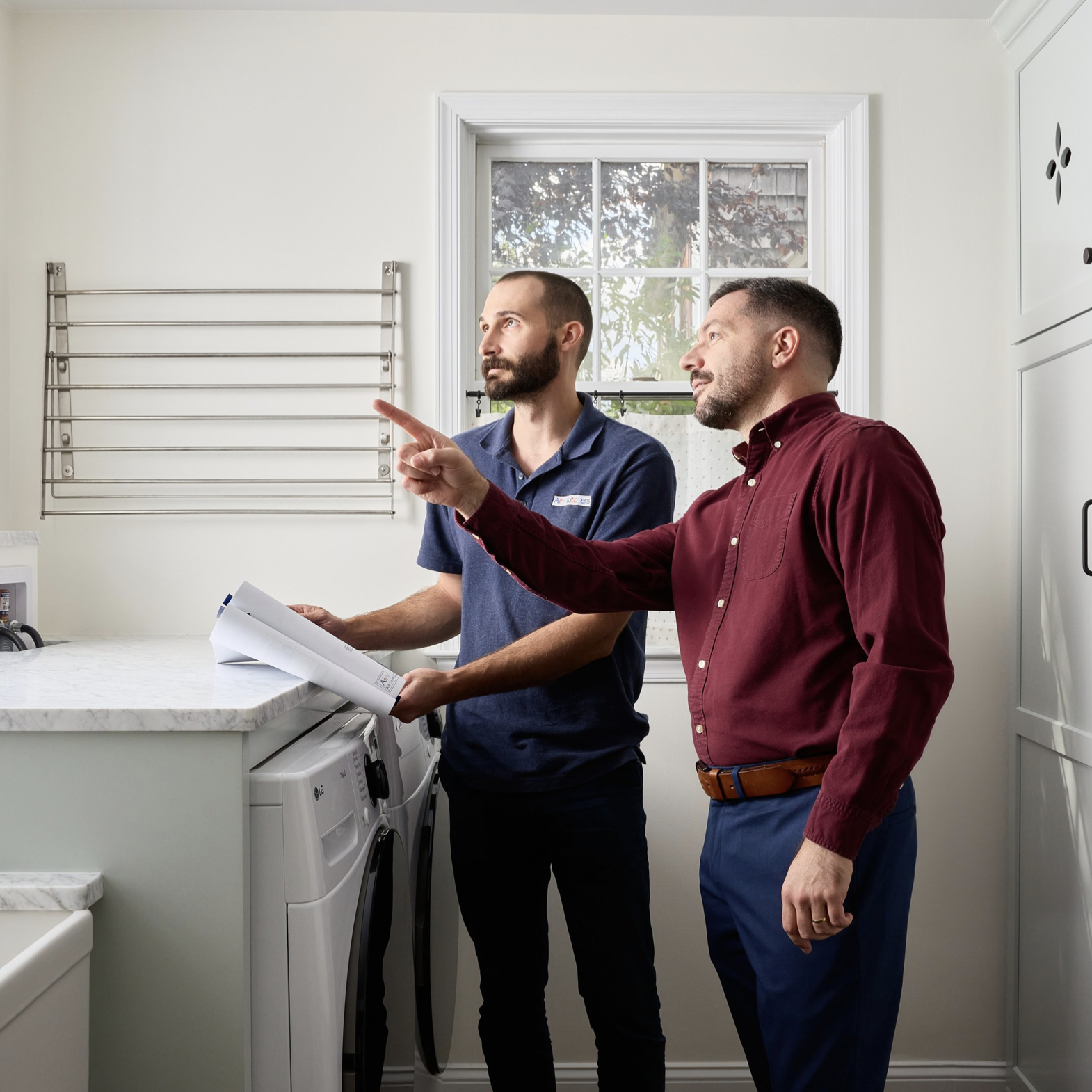
What are the responsibilities of a project manager?
Develop detailed construction plans and schedules
Manage contractor proposals and communication with trusted trade partners, architects, and engineers
Purchase, receive, and inspect materials, fixtures, and hardware, and coordinate deliveries and repairs
Track construction progress, schedules, and financials while making sure design details are executed accurately
Coordinate final walkthroughs, cleaning, organization, and move-in logistics
Can’t my contractor manage the renovation?
Your contractor is focused on building the project, and that's exactly where their attention should be. A renovation has a lot of moving parts and someone needs to be watching all of them at once, including:
The designer's intent, so nothing gets simplified or skipped during construction
The homeowner's decisions and selections as they're finalized
The trades scheduled two weeks out
The trades scheduled two months out
A project manager is the person checking progress, verifying that details are being built correctly, and resolving questions before they turn into problems. Think of it as having someone in your corner whose only job is to protect the plan, so you don't have to become a construction expert overnight.
How Is a Home Renovation Planned?
Behind every finished kitchen or beautifully restored home is months of planning, coordination, and decision-making. Contractors need to be scheduled, permits approved, materials ordered, and every phase mapped out before construction begins. Without that preparation, even the best design can quickly fall behind. For example, cabinetry installation cannot happen until walls are ready, electrical and plumbing locations are finalized, and other trades have completed their work. A delay in one area can impact the entire schedule.
How do you create a realistic construction schedule?
A renovation schedule is a roadmap for every decision, delivery, and subcontractor that brings the design to life. We work with the general contractor to build each schedule around the project's scope and rely on our experience with similar renovations in the area. The construction schedule should account for:
Material lead times: Custom cabinetry, specialty appliances, stone countertops, windows, and other custom materials may require months of planning and ordering before installation.
Permitting requirements: Local approvals, inspections, and review timelines can vary depending on the scope of work and the municipality.
Engineering and architectural coordination: Structural changes, additions, and complex renovations often require collaboration with architects and engineers before construction can begin.
Trade availability: A renovation depends on coordinating multiple specialists, including electricians, plumbers, carpenters, painters, and other trades. Specialty installers may be needed for wallpaper, window coverings, and appliance installations.
Construction sequencing: Each phase builds on the one before it, from demolition and framing to rough plumbing and electrical, drywall, cabinetry, and final finishes.
What causes renovation delays?
When we open up walls in an older home, we may uncover surprises hidden for decades, including
outdated wiring
plumbing issues
structural concerns
water damage
These discoveries can impact the timeline and require additional planning or specialized trades. Addressing these issues immediately is critical because the best electricians, plumbers, and trades are often booked weeks or months in advance. Identifying challenges early allows us to adjust the plan, secure the right experts, and keep the renovation moving forward.
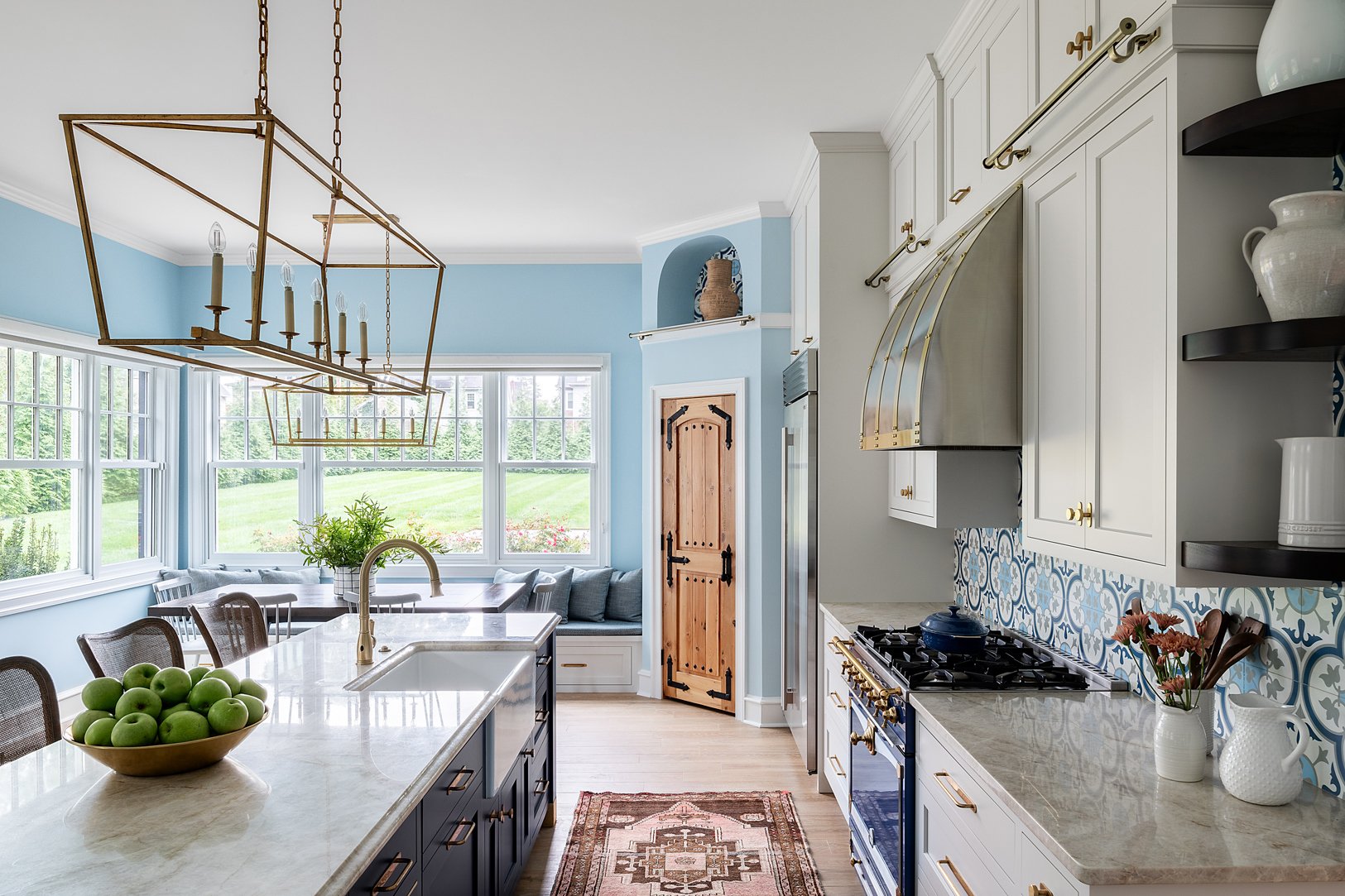
Can renovation delays be prevented?
No renovation is completely predictable, but careful planning can make the unexpected much easier to manage. The projects that stay closest to schedule typically have:
A detailed plan established before construction begins
Long-lead materials ordered well in advance
Contractors and trade sequencing coordinated before day one

How Do You Coordinate Contractors During a Renovation?
Project management is largely about ensuring everyone is working from the same information, with one clear set of construction drawings guiding the entire team.
How do you coordinate multiple contractors and specialty installers?
Construction documents are the foundation for contractor coordination. They provide every trade with the dimensions, requirements, and design intent they need before construction begins. We also keep a set of construction drawings on site throughout the renovation, so expectations are clear and every contractor is working from the same plan.
How do you make sure everyone stays aligned?
We schedule benchmark meetings throughout construction with the contractor, project manager, designer, and homeowners at key stages:
Before construction begins: Confirm the plan, schedule, and responsibilities before work starts.
When construction starts: Ensure the team is aligned as the project gets underway.
After demolition during the rough-in phase: Address any discoveries, confirm decisions, and keep the project moving forward.
Mid-point: Review material installation details and verify hardware placement.
Alongside these meetings, our project management app, Buildertrend, provides updates, photos, and communication throughout the renovation. This keeps everyone informed, supports faster decision-making, and helps prevent small questions from becoming costly delays.
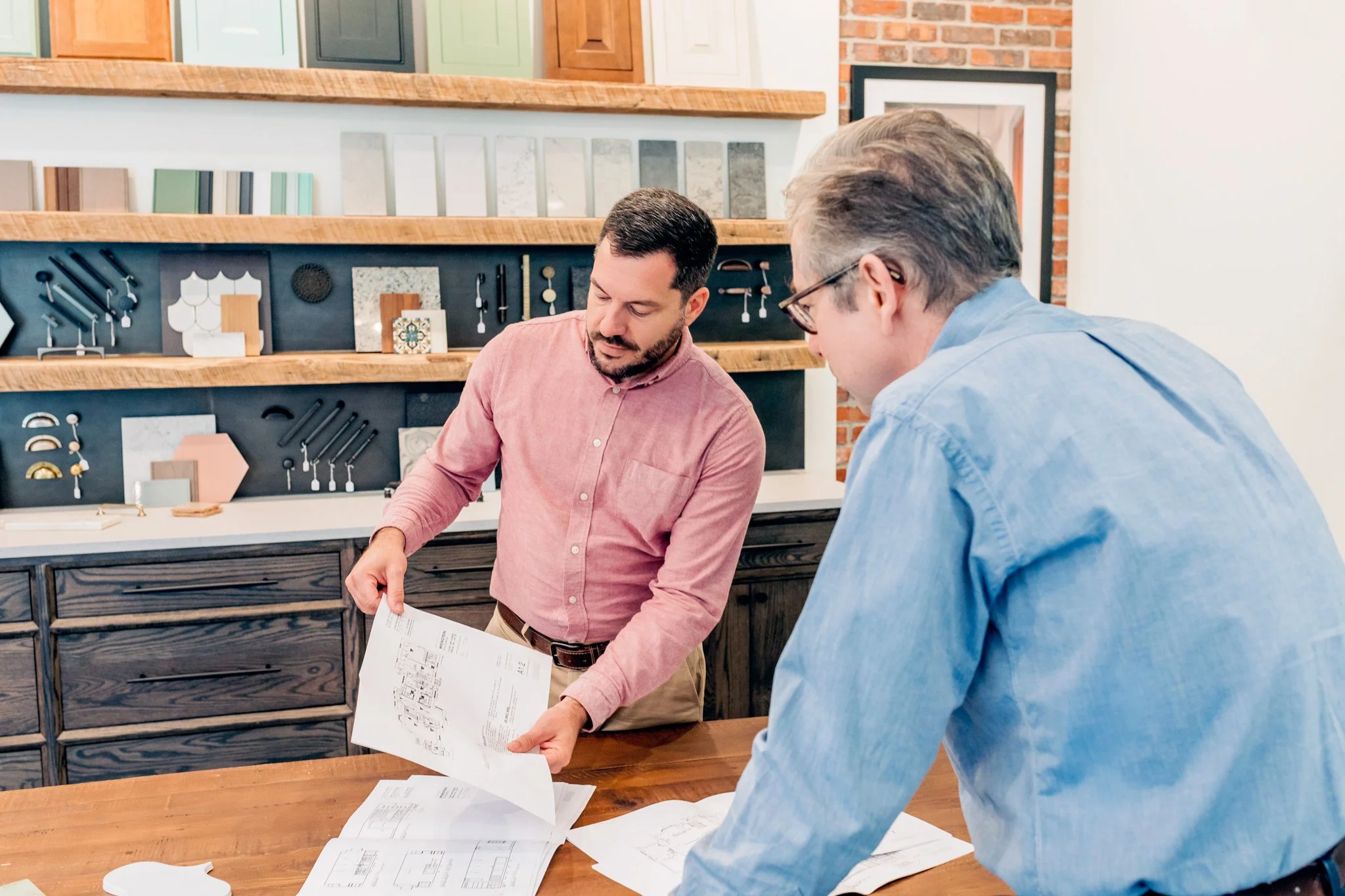
How Do Renovation Permits Work?
Permits and inspections require coordination between contractors, municipalities, architects, and engineers. Planning ahead and aligning everyone early helps prevent delays and keeps construction moving forward.
Who handles the permits?
Although the general contractor typically applies for the permit, we work behind the scenes to coordinate several professionals and create one ‘Permit Set’ of construction drawings:
Contractor: Applies for the permit and attends inspections.
Architect/Engineer: Provides required drawings, plans, and documentation. Attends ‘special inspections’ for structural work.
Project Manager: Coordinates communication and scheduling between homeowners and all other parties. Ensures the scope, drawings, and construction stay aligned.
The best way to avoid delays is to work with an experienced team, address requirements early, and limit changes after permits are submitted. When plans match the work being built, the inspection process moves smoothly.
What Renovation Details Require the Most Planning?
Some elements require extra oversight because multiple trades, materials, and installation steps need to align:
Cabinetry and millwork: Precise measurements and installation details impact everything from appliances to lighting and finishes.
Custom materials: Specialty items like windows, fireplace surrounds, and built-in furnishings require careful ordering, measurements, and coordination to ensure they arrive and install correctly.
Home tech: Custom audio-visual and smart home automation need to be planned for and coordinated with multiple tradespeople. Typically the company supplying these systems should be installing them.
Finish details: Tile layouts, ceiling conditions, transitions, and other final details require planning to achieve a seamless result.
Attention to these details early in the process helps prevent surprises later and ensures every part of the renovation works together as a cohesive design.

Why does cabinetry require extra planning?
Cabinetry has to meet the exact dimensions of the room, and older homes rarely have perfectly consistent ceiling heights. When they vary, we work out how the cabinetry will meet the ceiling before installation starts, not during it. The same kind of attention carries through the rest of construction, where we're working directly with tradespeople to hold the line on quality.
How Do You Manage Materials During a Renovation?
Getting materials ordered and stored correctly is what keeps a schedule from stalling while everyone waits on a delivery.
How do you manage ordering and deliveries?
Materials are ordered as early as possible. Every order gets tracked in a shared worksheet, including:
Quantities and pricing
Item SKUs and finishes
Sourcing and lead times
Order dates and expected delivery dates
When materials arrive, we inspect them for damage or shortages before anything moves toward installation. For larger items, like furniture, we coordinate receiving and storage so everything gets inspected before it's delivered.

How should renovation materials be stored?
Storage matters more than most homeowners expect, especially for wood. Cabinetry and furniture shouldn't sit in a garage while waiting on install. Garages aren't climate-controlled, and the humidity swings that come with the seasons can warp wood or affect finishes before a piece ever reaches your home.
How Do You Communicate with Homeowners During Construction?
Clear communication allows homeowners to understand progress, make decisions confidently, and stay connected throughout the renovation without having to chase updates. Together, these tools create transparency, speed up decision-making, and keep homeowners, contractors, and our team working from the same information.

How do you provide construction updates?
We use a combination of technology and direct communication to keep everyone aligned:
Buildertrend App: Daily logs, photos, a live schedule, and financial tracking allow homeowners to follow project progress.
FaceTime: Quick virtual walkthroughs from the job site help answer questions and review details.
Shared worksheets: Shared documents offer clarity on selections, pricing, and timelines.
Direct communication: Calls and emails provide a clear path for discussing decisions and next steps.
How Do You Handle Unexpected Construction Issues?
Picture a wall coming down during demolition and, instead of clean framing, the contractor discovers water damage that's clearly been there for years, or wiring that should have been replaced decades ago. It's the moment a project can either stall for weeks or keep moving without missing a beat, and the difference comes down to how fast the right people get involved. We bring the designer in immediately, weigh the real options on cost, timeline, and appearance, and work with homeowners to land on a direction fast enough that the contractor never has to sit idle waiting for an answer.
What unexpected problems do contractors find in Philadelphia homes?
Opening walls in older homes can reveal issues nobody could have seen coming, including:
Water damage
Outdated wiring
Plumbing issues
Structural concerns
Rodent or insect infestations
When that happens, we assess what it means for the project and figure out the best path forward, whether that's adjusting the construction approach, bringing in additional expertise, or refining a design detail on the spot.
How Do You Prepare a Home for Move-In After a Renovation?
The final construction stage is making the space organized and clean for homeowners to enjoy. We take several steps to make sure the home feels ready for someone to actually live in.

How do you make sure the home is move-in ready?
Organize appliance warranties and project paperwork
Install cabinetry organizers
Verify fixtures and lighting are working properly
Confirm final details are finished
Remove any debris and home protection
What happens before a renovation is complete?
Throughout construction, we ensure the job site is kept clean, organized, and safe. During the final punch list meeting we walk the full project with the homeowners to confirm the project is finished the way it was designed, down to the smallest details.
Ready to Start Your Renovation?
At Airy Kitchens, our project management team helps guide every renovation from planning through completion, keeping the details organized and the process moving forward. Contact our team to learn how we can help with your next project.
