

A Designer’s Guide to Renovating Homes on the Main Line
Renovating homes on the Main Line requires thoughtful planning, dynamic design, and a deep understanding of older homes. This guide outlines tips, typical costs, the renovation process, and what to expect in homes across Main Line communities. Airy Kitchens has renovated hundreds of kitchens and bathrooms on the Main Line and is known for historically sensitive home remodels.
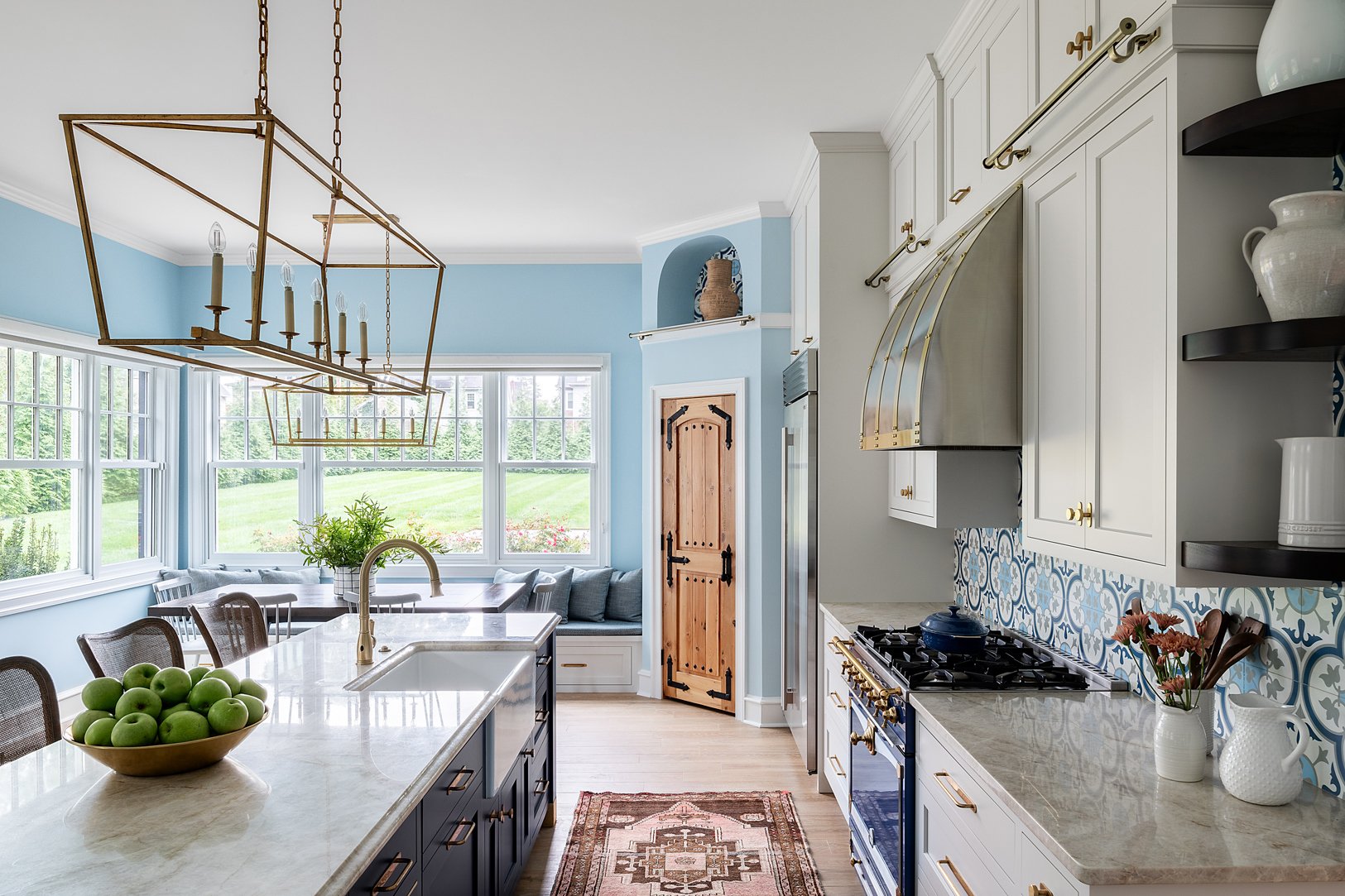
See more of our Ardmore Mediterranean Kitchen project.
Renovation Mistakes to Avoid
Careful planning upfront leads to better results and fewer delays. These are the most common issues we see:
Starting construction without a fully developed design
Underestimating total investment
Choosing a contractor without a clear process
Ignoring functional aspects like flow, light, views, and privacy
Replacing historic features in older homes
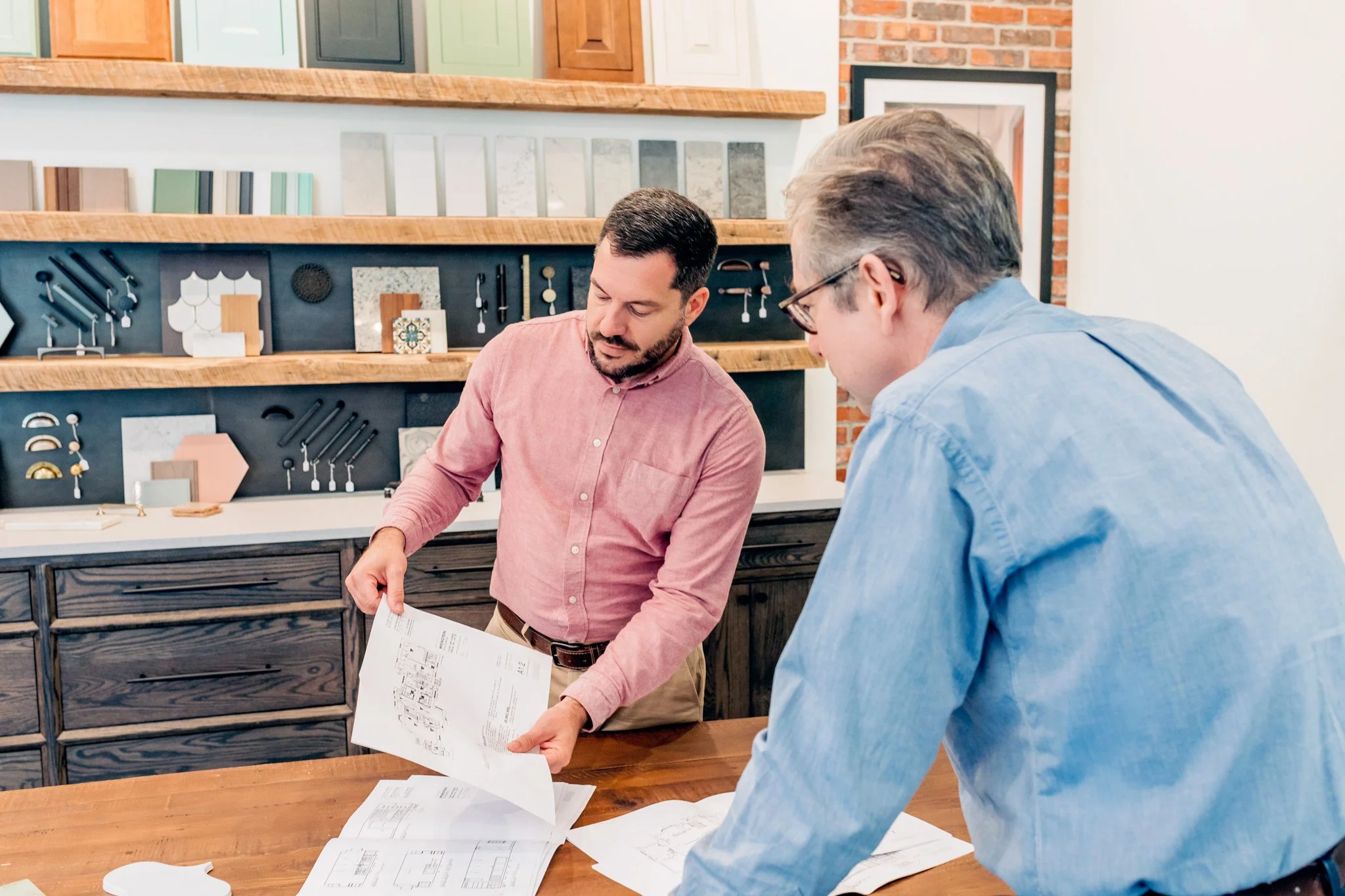
Kitchen Renovation Cost on the Main Line
Before starting a project, most homeowners want a clear idea of costs. We’ve compiled a cost guide that explores national renovation costs, our average project costs, and financing options. Below we share average kitchen renovation costs by county. Keep in mind that Airy Kitchens specializes in mid-range and high-end major kitchen renovations.
Average Kitchen Renovation Cost in Bucks County
$134,000
Average Kitchen Renovation Cost in Montgomery County
$172,000
Average Kitchen Renovation Cost in Delaware County
$167,000
At Airy Kitchens, we design and manage high-end kitchen renovations across Philadelphia and the Main Line. Our pricing reflects local labor and cabinetry costs for major projects. Most renovations include opening walls, updating plumbing and HVAC, and in some cases, adding a mudroom or dining area. Older Main Line homes often require additional work behind the walls. Planning for these unknowns early helps avoid surprises and keeps your project on track.
What drives costs?
Custom versus semi-custom cabinetry
Structural or layout changes
Quality of materials and appliances
Age and condition of the home
Custom cushions, window coverings, and furnishings
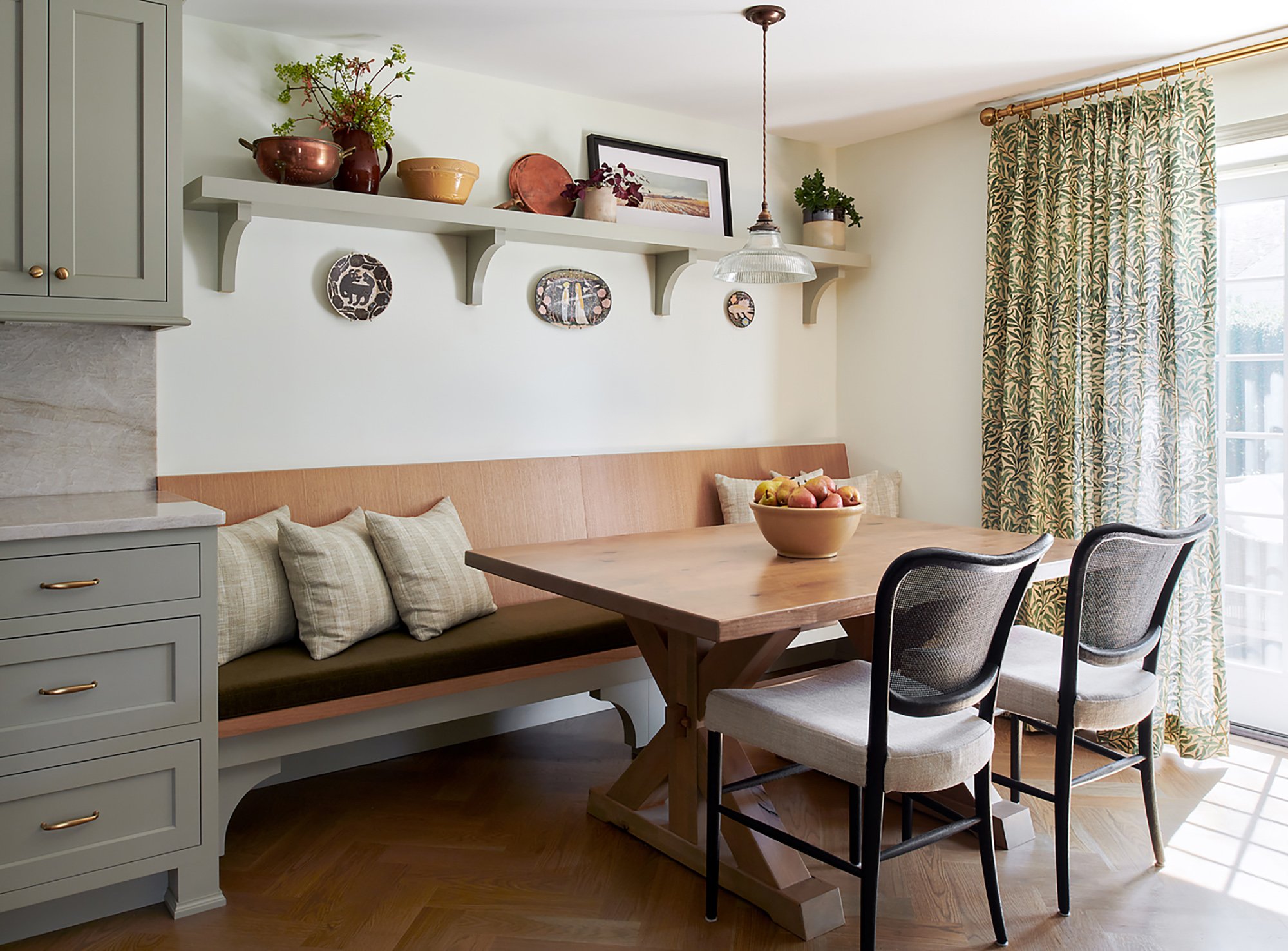

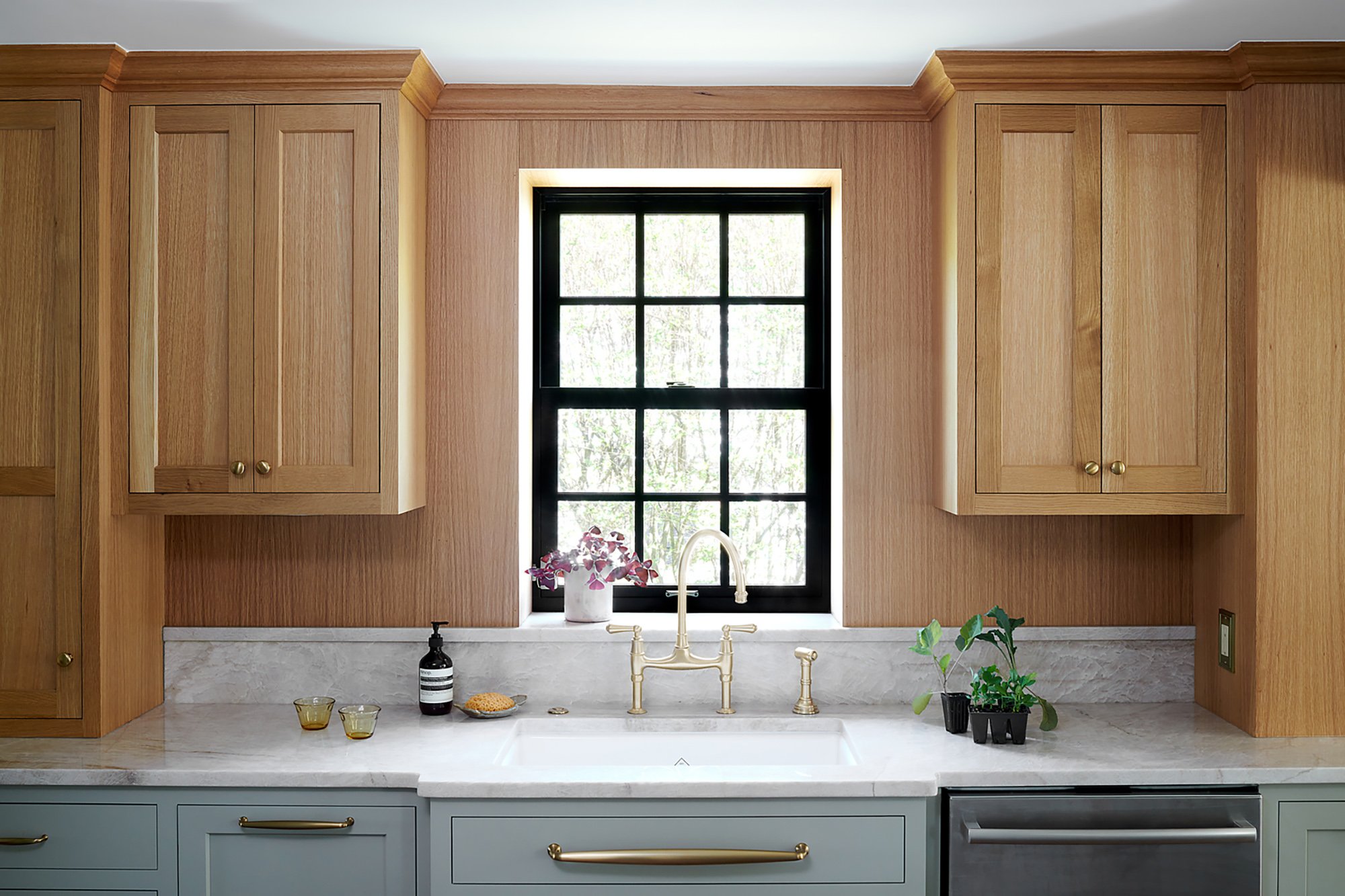


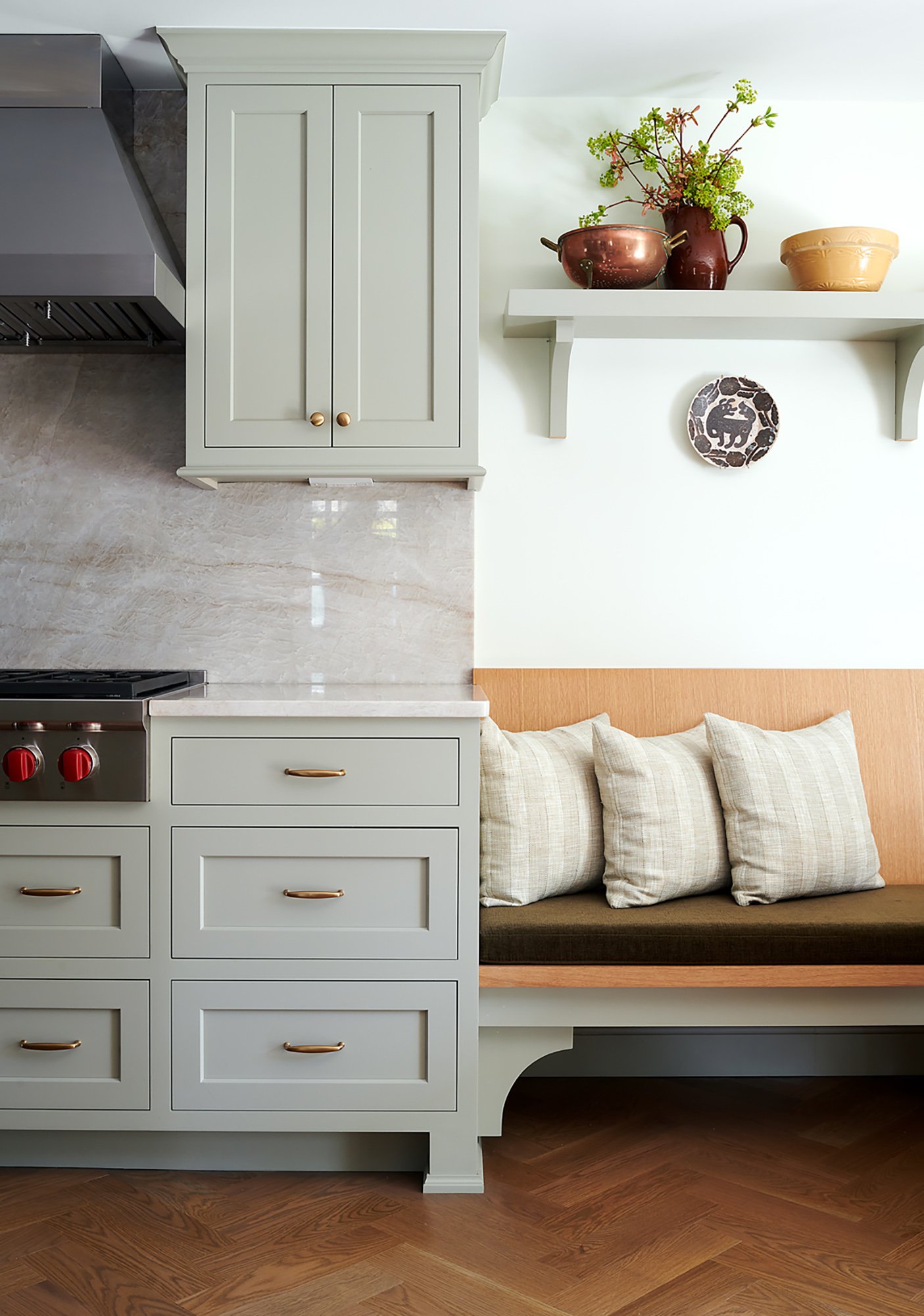


Case Study: Main Line Kitchen Renovation
The Challenge:
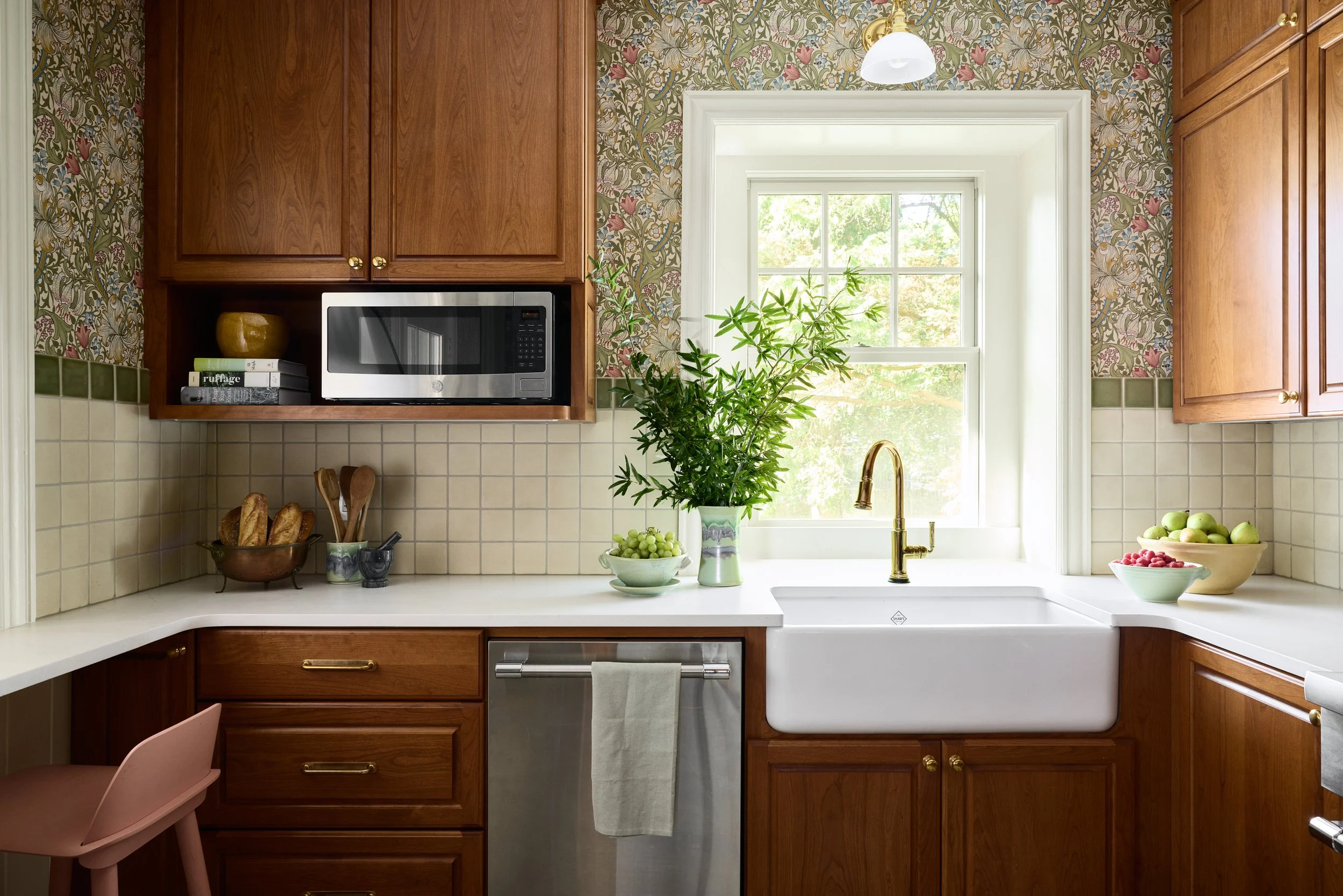
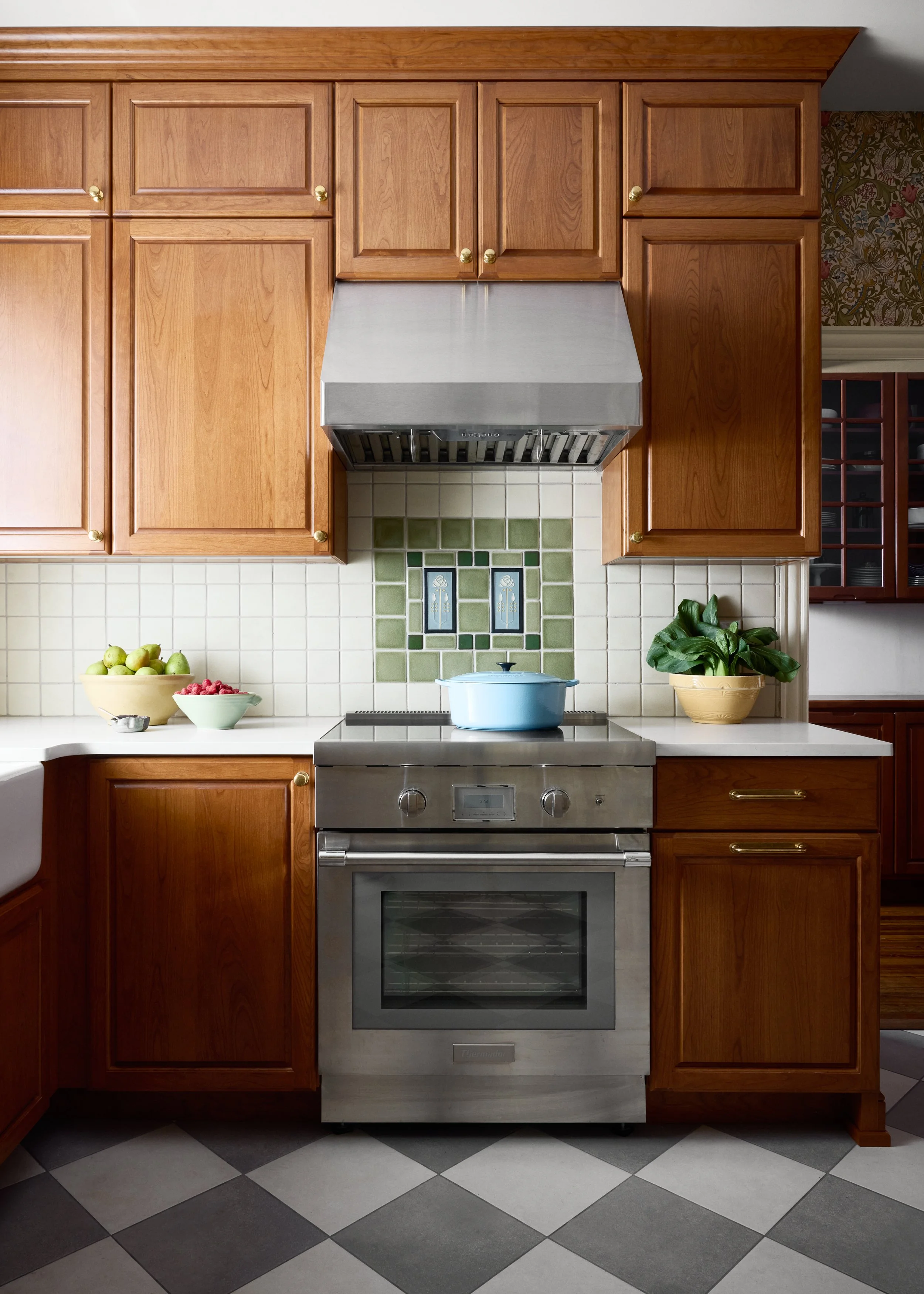
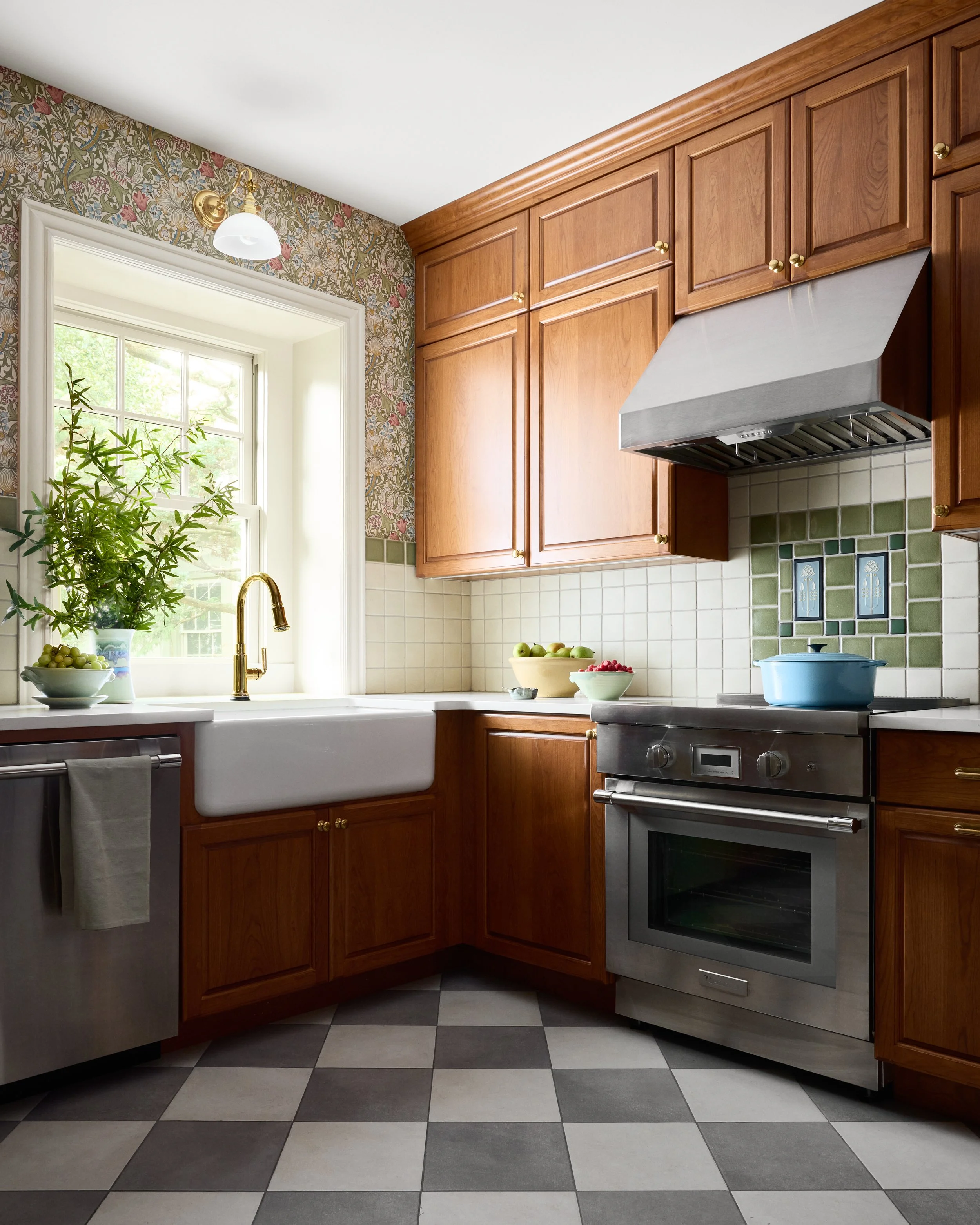
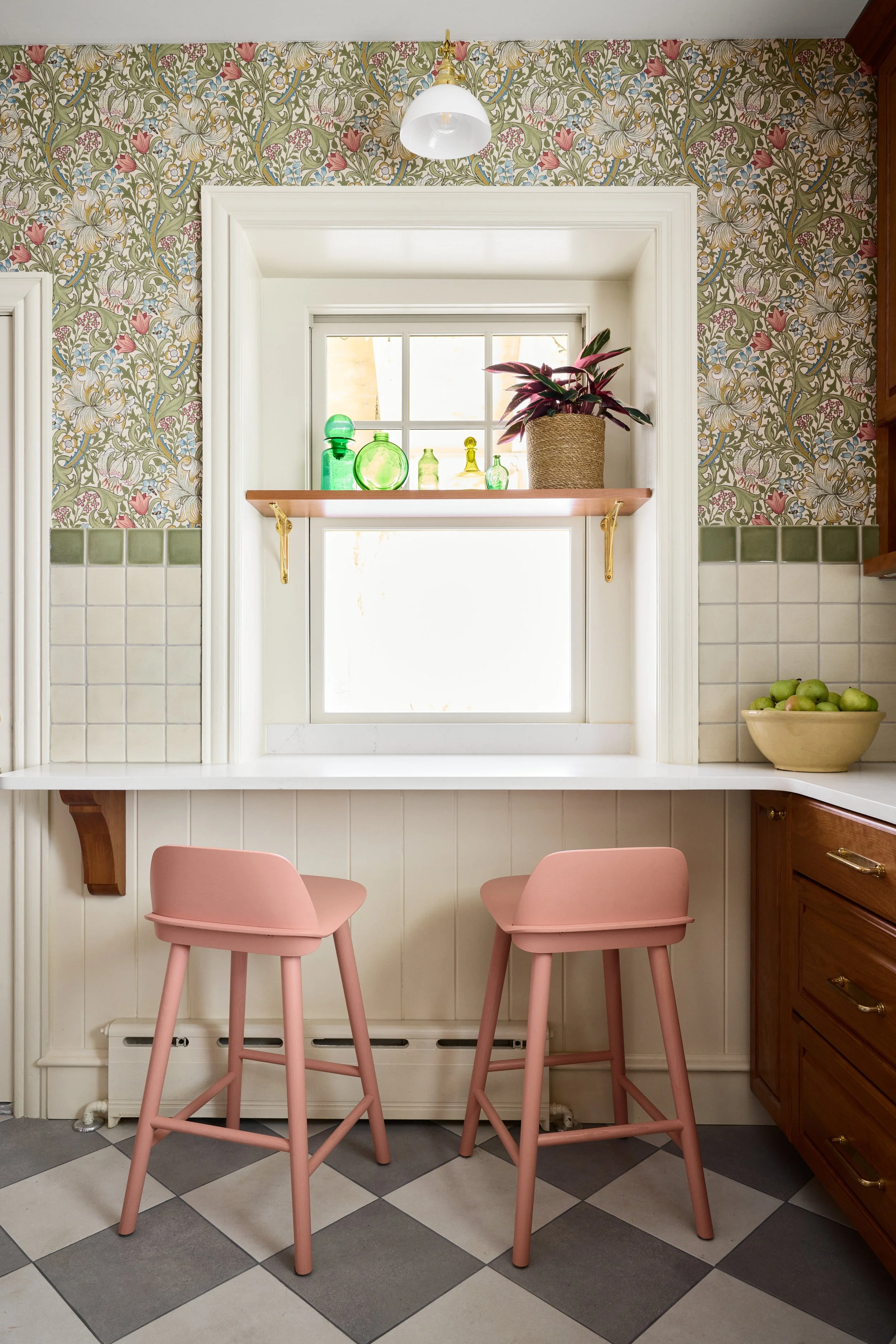
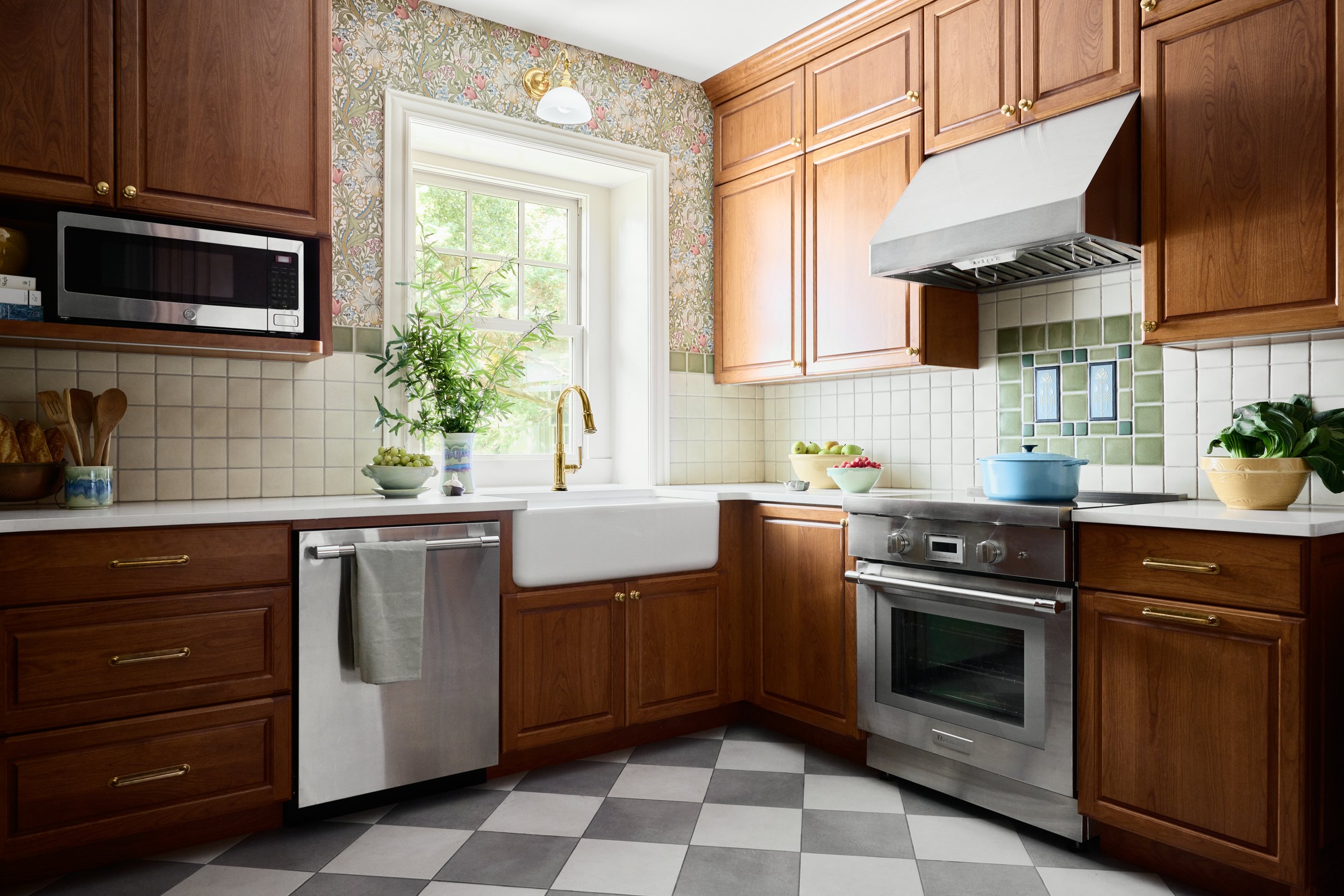
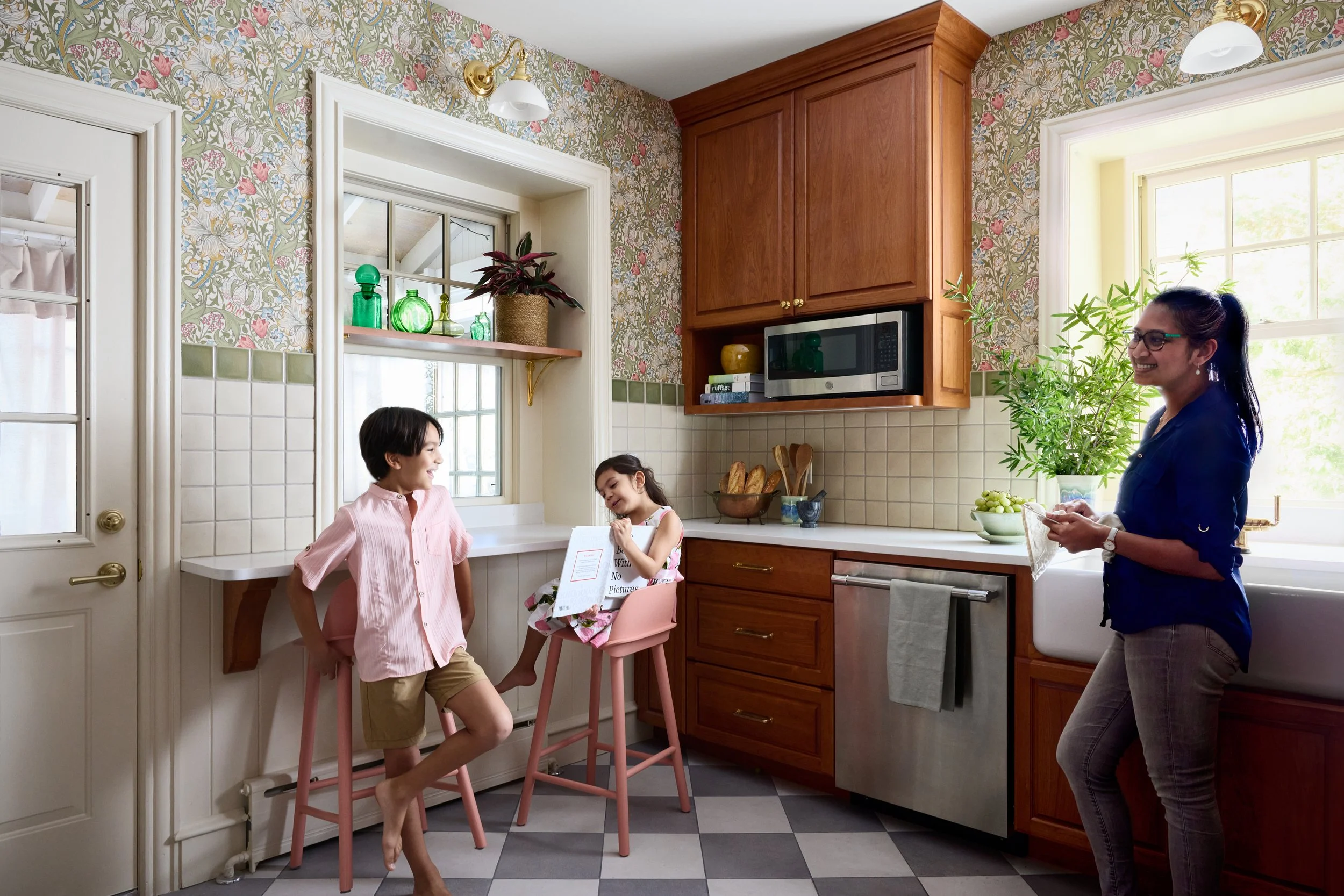
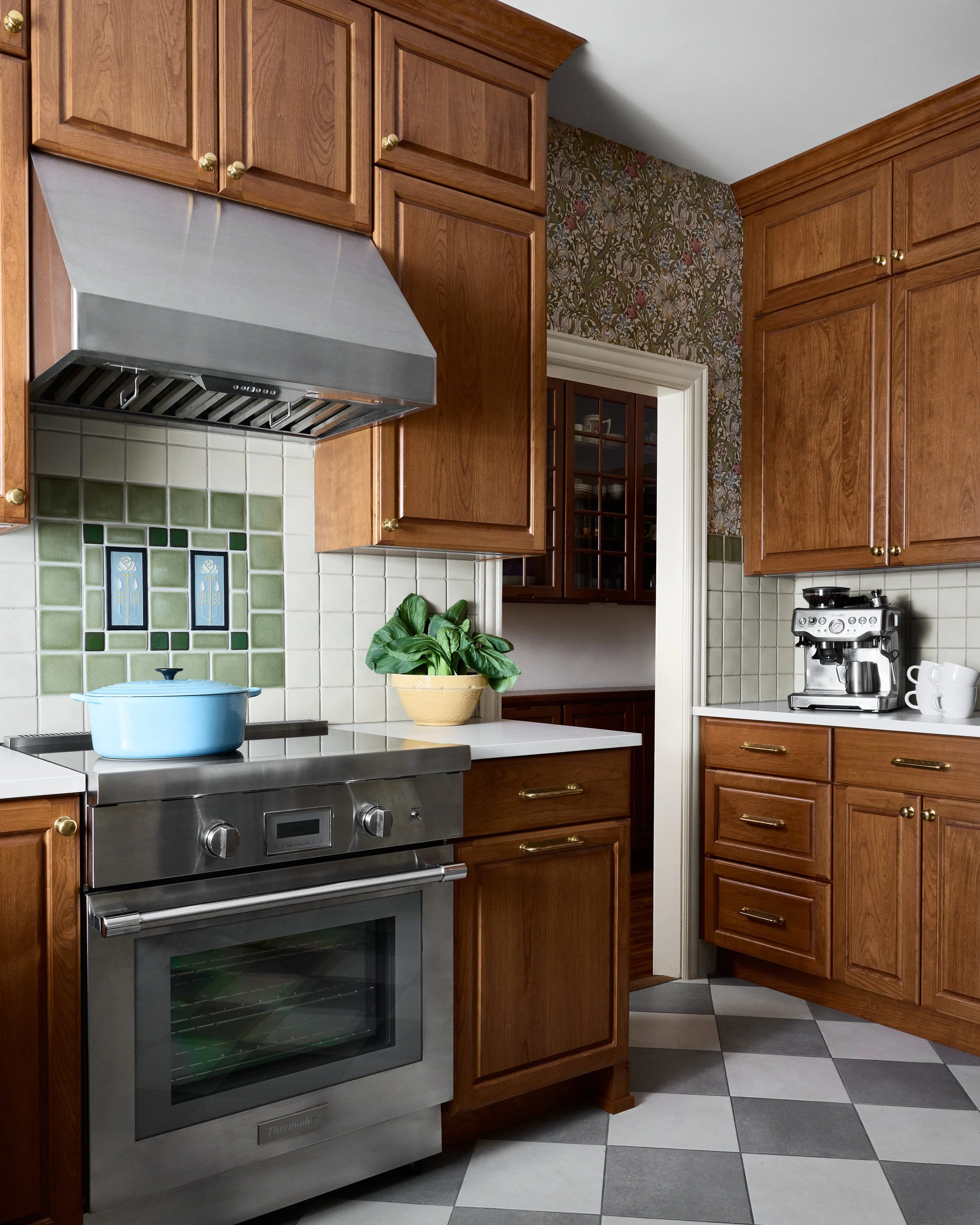
This historic Main Line kitchen had previously been expanded into a garage, resulting in uneven ceiling heights and a large support beam that disrupted the flow. Half of the floor was concrete, and original architectural details required careful preservation. The homeowners wanted a space that felt traditionally elegant but functioned with modern convenience, including high-end appliances, custom upholstered seating, and a generous bar for entertaining.
Our Approach and Result:
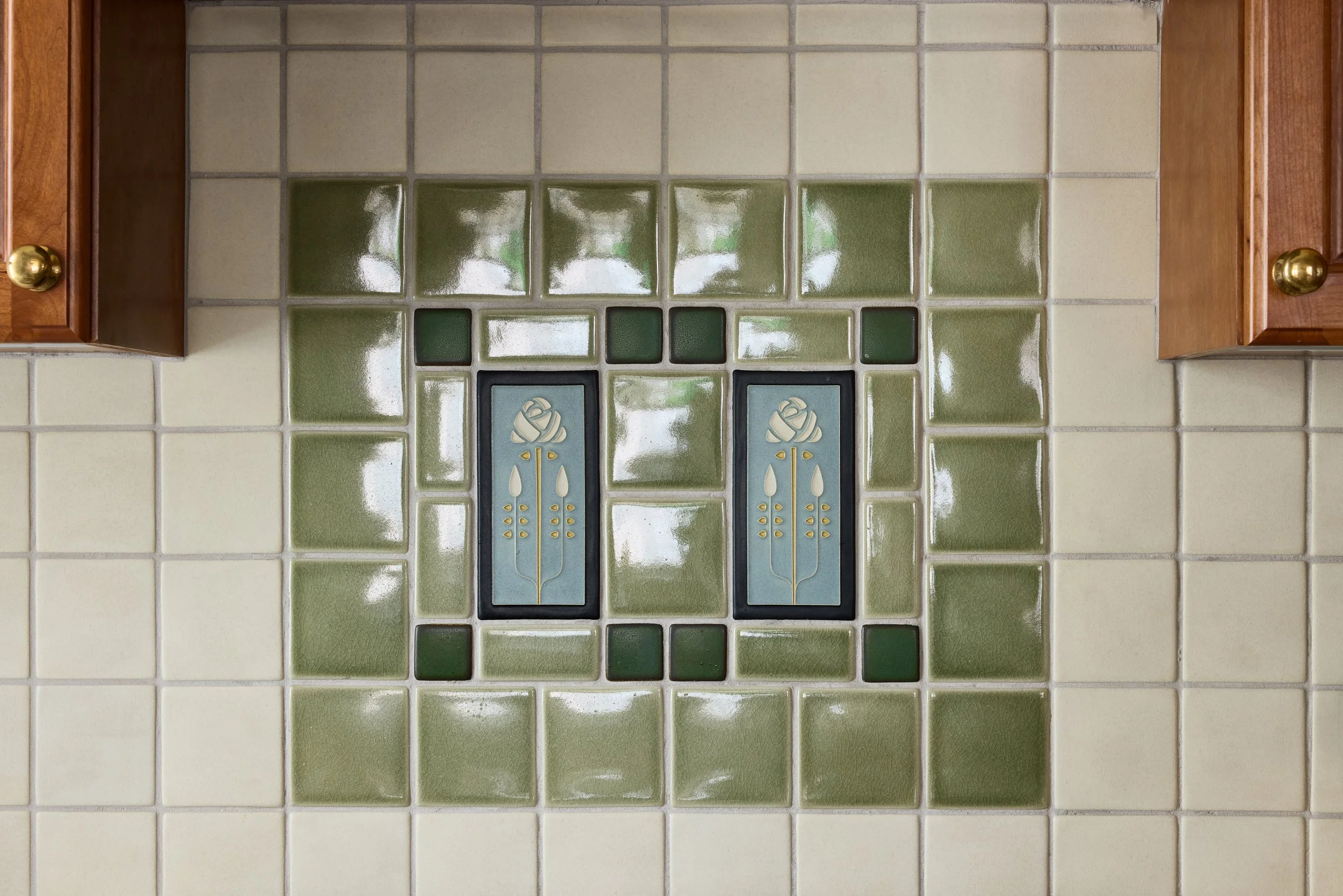
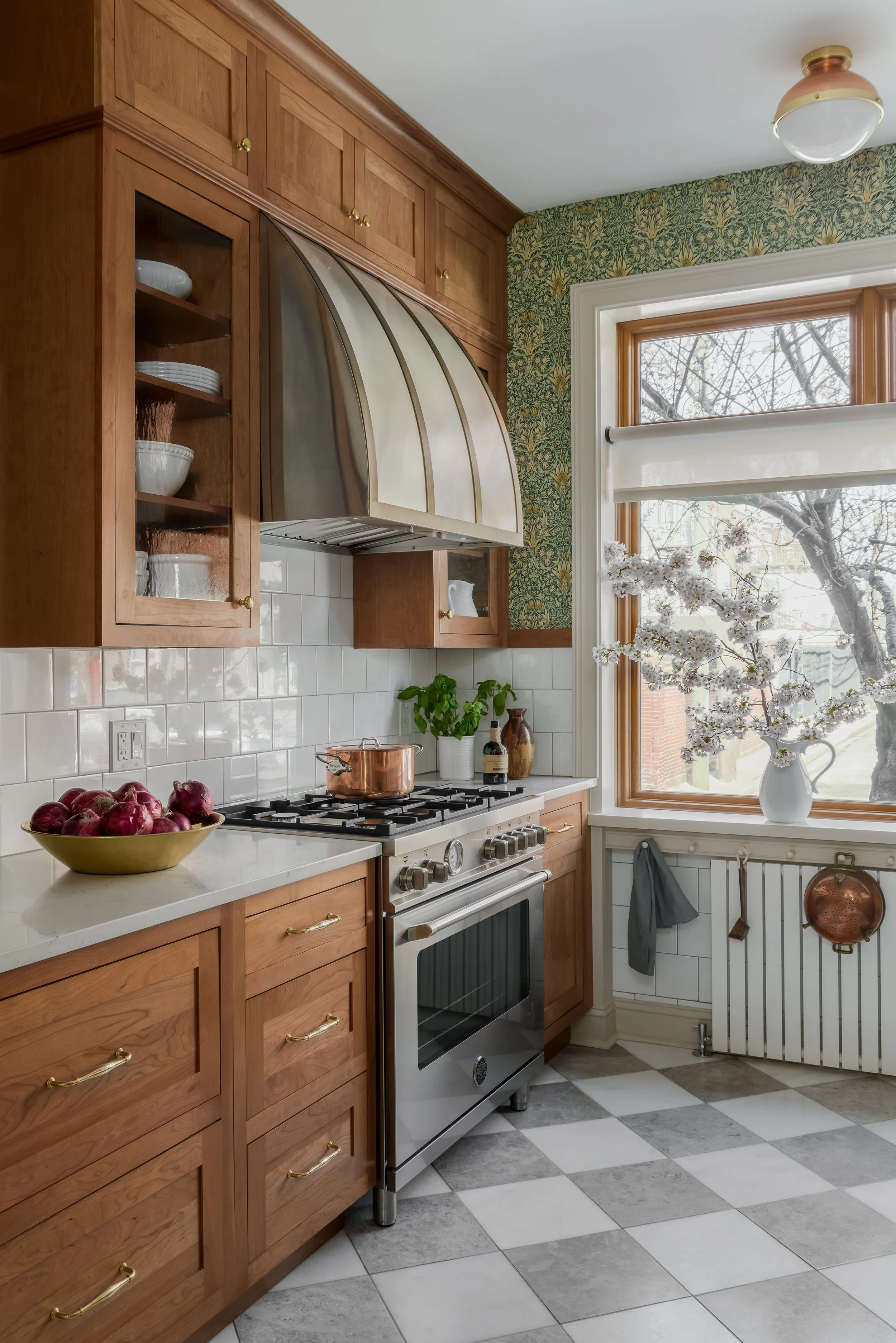
We reworked the space to feel cohesive while honoring its historic character. Herringbone wood floors and rift white oak millwork created a unified foundation, while custom cabinetry, furniture, and finishes brought warmth and detail to the design.
The powder room was updated to complement the kitchen, creating a consistent experience throughout. The result is a refined, functional space designed for both everyday living and entertaining, delivered through a fully managed, stress-free renovation process.

How the Renovation Process Works
Planning & Documentation: A dedicated designer serves as the primary point of contact, developing detailed construction drawings and leading all early decisions with clarity and precision
Pre-Construction Coordination: The designer and project managers collaborate with a network of contractors, engineers, architects, and specialty installers, ensuring every detail is aligned before work begins
Material Procurement: A procurement team manages sourcing, ordering, and delivery tracking, keeping timelines and selections carefully coordinated
Construction Phase: A project manager becomes the day-to-day contact, overseeing on-site activity, schedule, and execution with a high level of oversight
Project Management & Communication: Scheduling, payments, updates, and progress photography are centralized through an app, offering a seamless and transparent experience
Final Install & Styling: The designer returns, directing the receiving, storage, and installation of furnishings and artwork, and completing the space with thoughtful finishing touches
What Sets the Airy Kitchens Process Apart
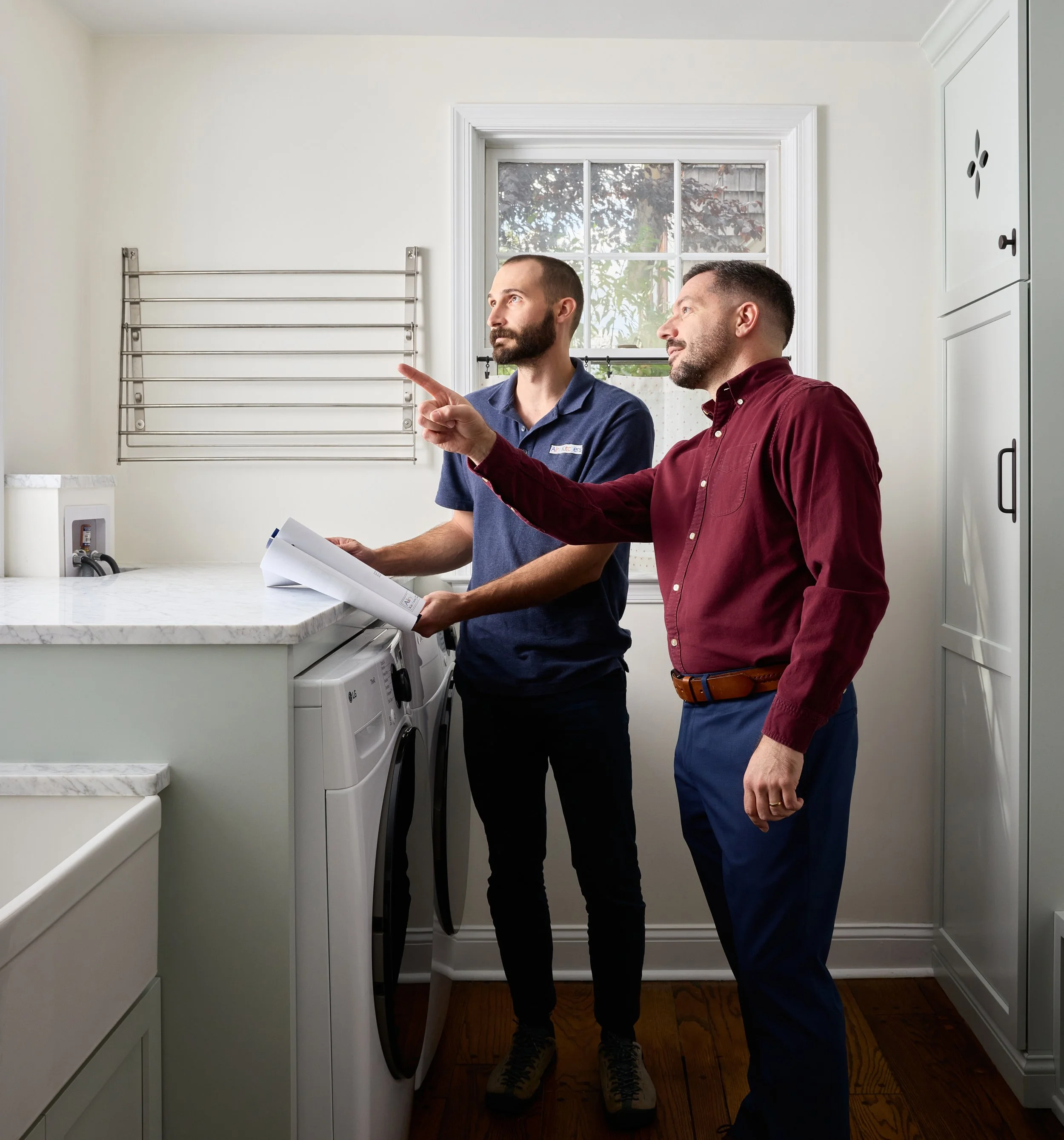
We begin in your home to understand your style, how you live, and the character of your space. A detailed questionnaire clarifies your priorities and guides the design from the start.
We present multiple layout options, each exploring a different way to use the space. Once you select a direction, we create a comprehensive design package tailored to your home.
Our kitchen showroom is a workshop for your project with a curated selection of materials, hardware, and cabinetry. See and feel the details before you commit.
During construction, a dedicated project manager coordinates every detail including schedules, materials, and contractors. This keeps your project on track, on budget, and stress-free.
Historical Interior Design on the Main Line
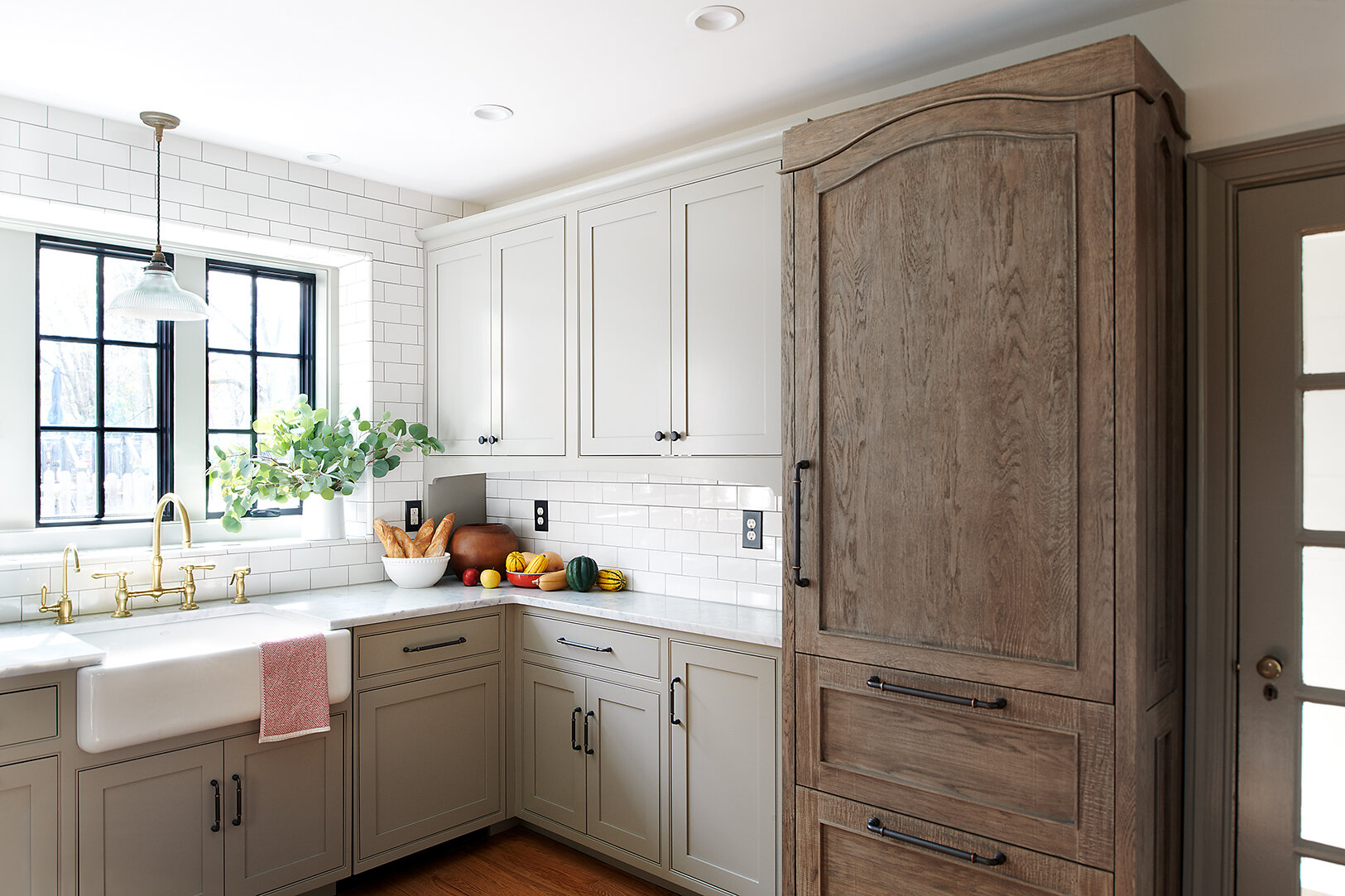
Homes across Bryn Mawr, Villanova, and Haverford are defined by their original craftsmanship. Renovations are most successful when those details lead the process, not follow it.
Planning for Preservation
Document and design around existing features
Carry original profiles into new work
Plan for careful removal and reinstallation
Choosing the Right Contractors
Prior experience with older homes is essential
Strong finish work and attention to detail matter
Clear plans to protect original elements during construction
Prioritize Safety
Test materials for lead or asbestos before demolition
Plan to update electrical and plumbing
Ensure new finishes won’t degrade historic materials
For a deeper look at how historical context informs design decisions, explore our blog about vintage style kitchens in historic homes.
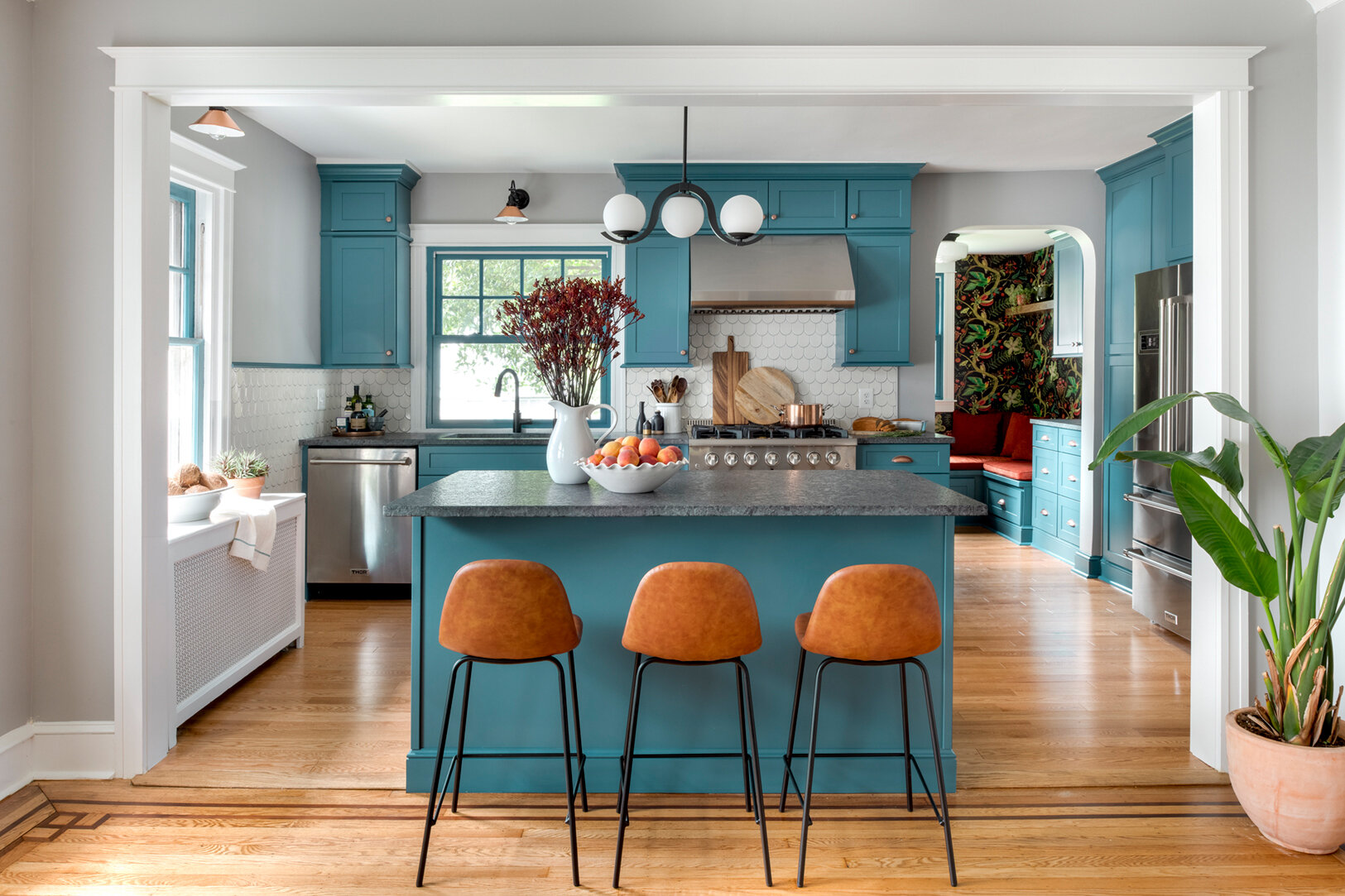
Kitchen & Interior Design Trends for Main Line 2026
Main Line homes are evolving to feel more livable, but locals want the architectural integrity of their historic homes.
What are we seeing the most?
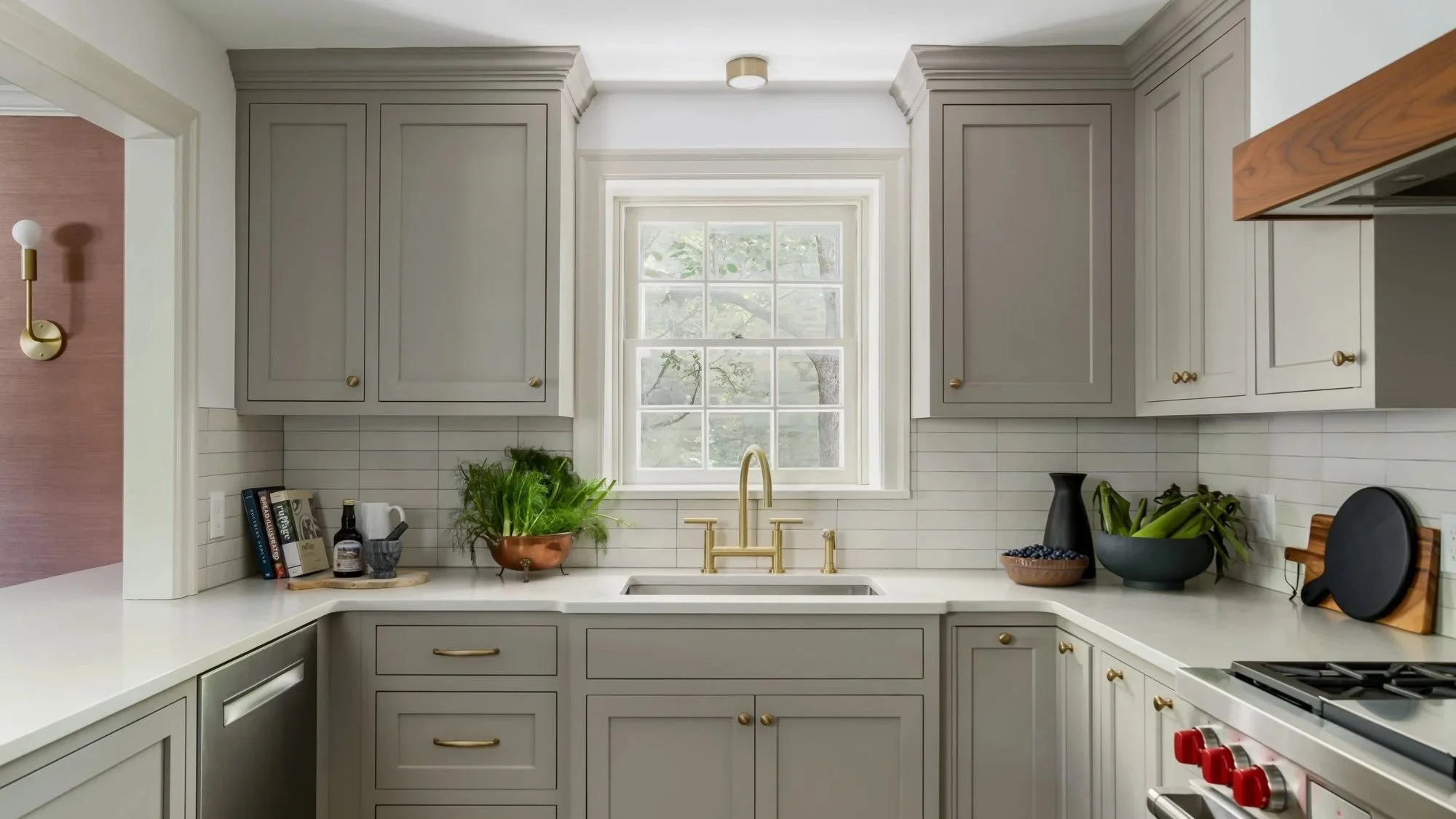
White oak and painted cabinetry with furniture-level detail
Custom millwork that matches original trim and paneling
Integrated storage including hidden pantries and appliance garages
Open layouts with structure using archways, cased openings, and partial walls
Natural materials like soapstone, marble, and unlacquered brass


Where does Airy Kitchens service near the Main Line?
We’ve completed projects in Bryn Mawr, Ardmore, Wayne, Villanova, Haverford, Narberth, and surrounding Philadelphia suburbs. While we offer interior design services nationally, our project management services are focused locally. We serve the greater Philadelphia area, the Main Line, Montgomery County, and parts of Bucks and Delaware Counties, including:
Philadelphia rowhomes and surrounding suburbs
Main Line townships and communities
Montgomery County areas east of Lansdale, Gwynedd, and King of Prussia
Southern Bucks County, including Doylestown, Warrington, and Furlong
Northeastern Delaware County, including Villanova, Wayne, Radnor, and Haverford
FAQ
How long does a typical renovation take?
Construction typically takes 3 to 5 months. Larger or more complex projects may take longer.
Do Main Line homes require special permits?
Most kitchen renovations do require building permits from your township. Philly’s Main Line suburbs are known for strict enforcement.
What is the difference between project management and design build?
Airy Project Management allows us to customize designs for each project and work with the best contractors for your home and your timeline.
Design/Build firms handle both design and construction, so every project is designed and scheduled around a single team that may have limited abilities or availability.
